

The Power Players: What Makes Cruciferous Veggies Special?
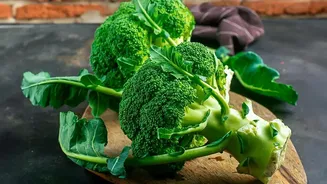
Broccoli, cauliflower, kale, cabbage, and Brussels sprouts all belong to the cruciferous family. They are celebrated for being packed with essential vitamins, fibre, and unique plant compounds. The most notable of these are glucosinolates. When you chop
or chew these vegetables, an enzyme called myrosinase is released, which converts glucosinolates into a highly beneficial compound called sulforaphane. Sulforaphane has been studied for its potent antioxidant properties and potential role in protecting against chronic diseases. These vegetables are also rich in water-soluble vitamins, particularly Vitamin C, which is crucial for immune function.
The Steaming Advantage: Gentle and Protective
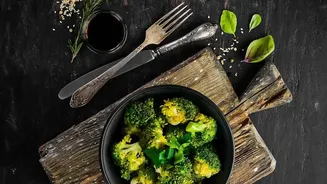
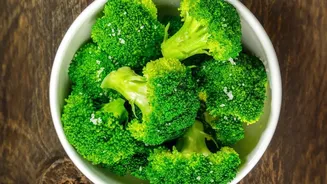
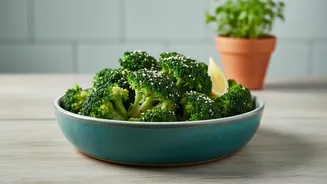
When it comes to preserving the delicate nutrients in cruciferous vegetables, steaming is consistently shown to be the superior method. Studies have found that steaming causes minimal loss of Vitamin C, chlorophyll, and soluble proteins. More importantly, it is the best method for preserving glucosinolates. Steaming provides enough heat to make the vegetables tender and pleasant to eat, but it is gentle enough that it doesn't significantly destroy the myrosinase enzyme. This is critical, because without this enzyme, the conversion of glucosinolates to disease-fighting sulforaphane is much less efficient. Lightly steaming for just a few minutes is enough to reap these benefits without turning your vibrant green broccoli into a dull, mushy mess.
The Stir-Frying Dilemma: High Heat and Nutrient Loss
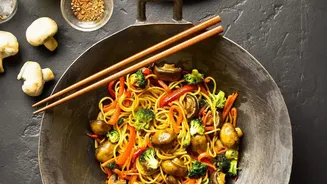
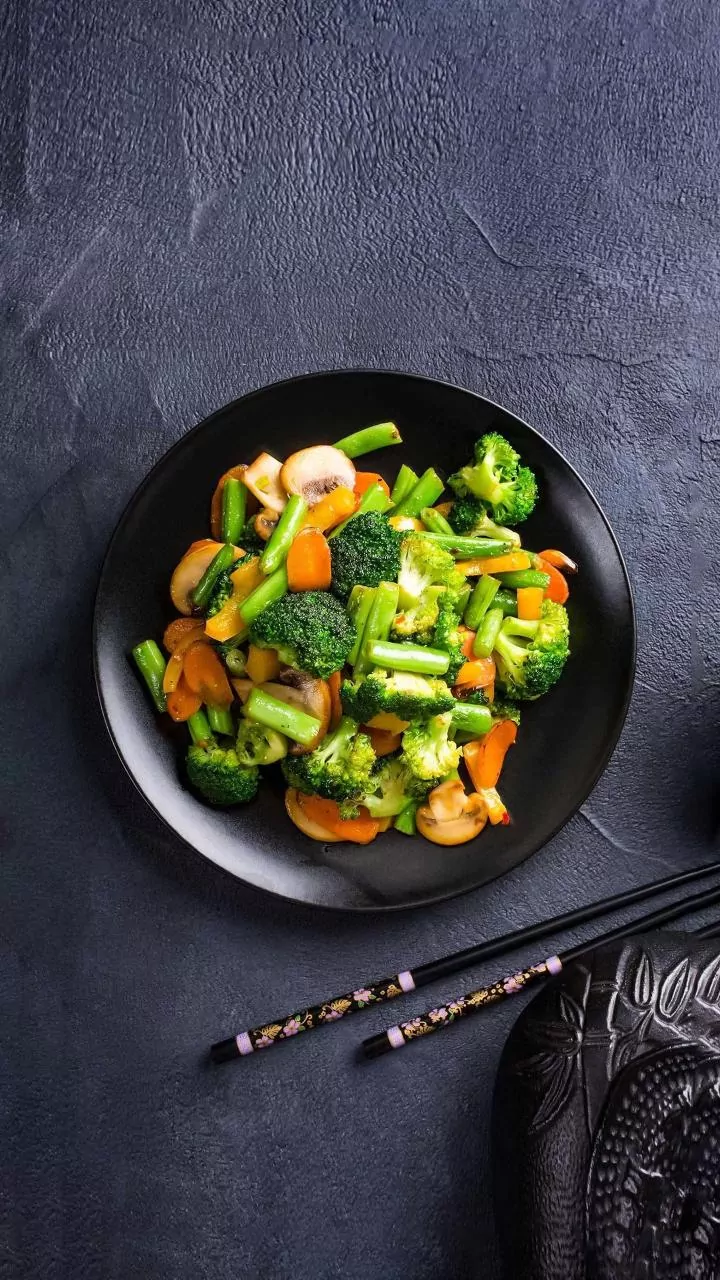
Stir-frying is a quick and flavourful way to cook vegetables, but the high heat involved comes at a nutritional cost. Research shows that stir-frying leads to significant losses of Vitamin C and, crucially, the highest loss of total glucosinolates compared to other common cooking methods. The intense heat can denature or destroy the myrosinase enzyme, halting the creation of sulforaphane before it can even begin. While stir-frying doesn't cause a significant loss of carotenoids (fat-soluble antioxidants), its destructive effect on the most unique compounds in cruciferous vegetables is a major drawback. If you do choose to stir-fry, keeping the cooking time as short as possible can help mitigate some of the damage.
Is There Any Benefit to Stir-Frying?
While steaming wins for nutrient preservation, stir-frying isn't entirely without its merits. The addition of a healthy fat, like olive oil, can actually help your body absorb fat-soluble vitamins such as Vitamin K, which is abundant in kale and Brussels sprouts. The quick, high-heat cooking method also excels at creating caramelization and browning, which enhances the flavour and can make vegetables more appealing to picky eaters. However, from a purely nutrient-maximising standpoint, especially for those seeking the cancer-fighting potential of sulforaphane, the trade-off may not be worth it.
How to Get the Best of Both Worlds
The science is clear: light steaming is the optimal way to prepare cruciferous vegetables to preserve their most powerful nutrients. Aim for a quick steam of 3 to 7 minutes, until the vegetables are tender-crisp but still brightly coloured. If you crave the flavour of stir-fried or roasted veggies, there's a simple trick: chop your broccoli, cauliflower, or other cruciferous vegetable and let it rest for 30-40 minutes before cooking. This 'hack and hold' method allows the myrosinase enzyme to work its magic and create sulforaphane before the heat has a chance to destroy it. You can also try a 'steam-fry' method: lightly steam the veggies first, then give them a very quick toss in a hot pan with a little oil and seasoning to finish.