







First, Understand the Enemy
Wall dampness in Indian homes is commonly caused by a few culprits. Penetrating damp occurs when water from outside, like rain, seeps through cracks in the walls or roof. Rising damp happens when groundwater travels up through the brickwork, a structural
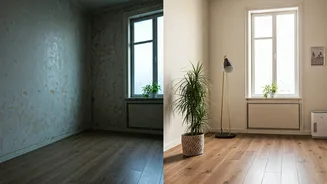
issue often seen as a 'tide mark' near the floor. The most common issue, especially in humid climates and poorly ventilated rooms, is condensation. Everyday activities like cooking, showering, and even breathing release moisture into the air. When this warm, moist air hits a colder wall, it condenses into water droplets, leading to damp patches, peeling paint, and mould. While informing your landlord about major leaks is crucial, you can manage the cosmetic damage and improve air quality yourself.
The Breathable Fabric Solution
It might seem counterintuitive to cover a damp wall with fabric, but the key is 'breathability'. Unlike vinyl wallpapers or synthetic paints that trap moisture and make mould growth worse, breathable textiles allow air to circulate. This prevents moisture from getting trapped against the wall, allowing it to evaporate naturally. Think of it like choosing a cotton shirt over a polyester one on a humid day; one lets your skin breathe, while the other turns into a sweaty mess. Using the right fabric not only hides unsightly damp stains but also helps manage the underlying moisture problem without causing further damage.
Choosing Your Ideal Textile
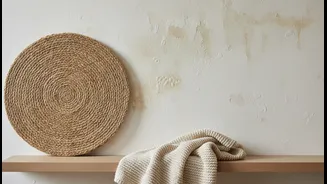
When it comes to selecting a fabric, natural fibres are your best friends. Cotton is a top choice due to its excellent breathability and moisture absorption. It's widely available, affordable, and comes in countless designs. Linen, made from the flax plant, is another champion of airflow, known for its cooling properties and ability to absorb moisture without feeling damp. For a more rustic or earthy aesthetic, consider jute or burlap. These coarse, loosely woven fabrics offer fantastic ventilation. Other viable options include bamboo fabric, celebrated for its moisture-wicking properties, and lightweight hemp, which is naturally resistant to odours.
Renter-Friendly Installation Techniques
Since drilling holes is often a no-go in rented apartments, you need creative, damage-free methods. One of the easiest ways is to use tension rods. Fit a rod near the ceiling and another near the floor, then stretch the fabric between them. For a simpler approach, hang a large, beautiful tapestry or a piece of fabric art using removable adhesive hooks. This covers a large area with minimal effort. Another clever technique is to staple the fabric onto a lightweight wooden frame, creating a large, movable panel. You can then lean this panel against the damp wall, leaving a small gap between the fabric and the wall to maximise air circulation. This prevents the fabric itself from becoming damp.
Maintenance is Key
A fabric wall covering is not a 'set it and forget it' solution. To prevent the textile from absorbing too much moisture and developing mould itself, regular maintenance is essential. Every few weeks, or more frequently during peak monsoon, take the fabric down and let it air out completely in a dry, sunny spot. Most natural fabrics like cotton and linen can be machine washed, which helps remove any absorbed mustiness or mildew spores. Regularly wipe down the wall behind the fabric as well. For good measure, improve the room's overall ventilation by opening windows whenever the weather is dry or using exhaust fans in kitchens and bathrooms.