





The Two Sets of Rules
When you travel internationally, you are subject to two distinct sets of checks. First, the immigration and customs authorities of your destination country, in this case Thailand, have their official entry requirements. These are the laws that determine
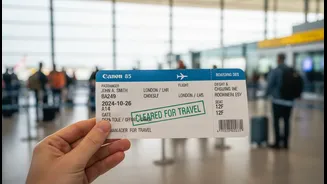
if you are legally allowed to enter. Second, and often more immediately impactful, are the airline’s own rules. The check-in counter is your first hurdle, and the airline staff are the first gatekeepers. Their job is not just to check your ticket, but to verify you have the correct documentation for your destination. This is where many travellers get caught out. A visa or visa-on-arrival eligibility doesn't guarantee you'll be allowed on the plane. The airline has the final say on who they transport.
Why Airlines Can Be Stricter Than Immigration
It might seem counterintuitive, but airlines have a massive financial incentive to be extra cautious. International regulations mean that if an airline transports a passenger who is then denied entry by Thai immigration, the airline is responsible. This responsibility includes bearing the cost of flying the passenger back to their point of origin and facing potentially hefty fines for each inadmissible person they carry. These fines can run into thousands of dollars per passenger. To avoid these penalties, airlines will rigorously check your documents against a database of requirements. If there is any doubt about your documents—a passport with insufficient validity, a lack of a confirmed return ticket, or no proof of funds—they will likely err on the side of caution and deny boarding.
Thailand's Entry Rules for Indian Travellers
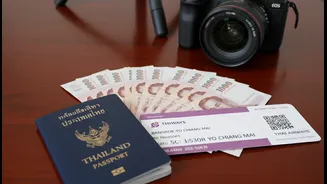
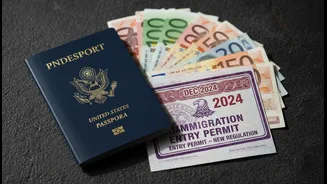
As of mid-2026, the rules for Indian nationals travelling to Thailand have seen some changes. After a period of visa-free entry, India has been moved back to the Visa on Arrival (VoA) category for stays up to 15 days. This means that while you don't need a pre-approved visa sticker for a short holiday, you must have all the required documents ready to present both to your airline and to immigration upon arrival. A recent advisory from the Indian Embassy in Bangkok highlights what authorities may ask for. Key requirements include a passport with at least six months' validity, a confirmed return flight ticket, proof of accommodation, and evidence of sufficient funds—often cited as THB 20,000 per person. You must also complete the online Thailand Digital Arrival Card (TDAC) before you travel.
The Most Common Pitfalls
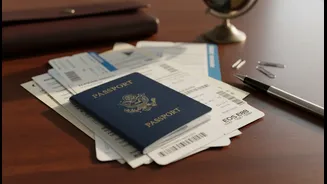
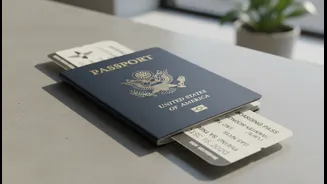
The most frequent reasons for being denied boarding are often the most basic. The number one issue is the lack of a confirmed return ticket. A one-way ticket is a major red flag for airline staff, as it suggests an intention to overstay. Another common problem is insufficient proof of funds. While Thai immigration may not check every single tourist, airlines are becoming stricter. You should be prepared to show proof of funds, whether in cash or via a recent bank statement. Lastly, ensure your passport has more than six months of validity from your date of entry into Thailand, not your date of travel from India. An expiring passport is an easy reason for an airline to refuse check-in.
Your Pre-Flight Checklist for Thailand
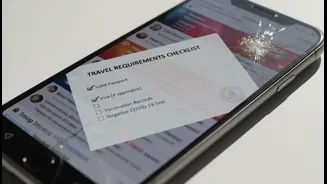
To ensure a smooth start to your vacation, treat the airline check-in as the first and most important immigration check. Before you leave for the airport, run through this list: 1. Passport Validity: Is it valid for at least six months from the day you land in Thailand? 2. Return Ticket: Do you have a printed or digital confirmation of a flight out of Thailand within your permitted stay? 3. Accommodation Proof: Have you printed your hotel booking confirmations for at least the first few nights? 4. Proof of Funds: Can you show evidence of having at least THB 20,000 (or its equivalent) per person? It's wise to carry a mix of cash and have a bank statement handy. 5. Visa on Arrival (VoA) Documents: If applicable, have your passport-sized photos and the VoA fee (in Thai Baht) ready. 6. Thailand Digital Arrival Card (TDAC): Have you completed this online form within 72 hours of your arrival and do you have the QR code saved? Having these documents organised and easily accessible will demonstrate to the airline that you are a well-prepared traveller who is highly unlikely to be denied entry, thus removing their primary concern.