





The Plant-Powered Revolution
For years, the gold standard for fitness enthusiasts has been whey protein, a dairy-based supplement praised for its muscle-building prowess. But a quiet revolution has been brewing, and it’s powered by plants. An increasing number of Indians are actively
seeking plant-based alternatives, driven by a cocktail of reasons: rising awareness about lactose intolerance, a growing vegan and vegetarian movement, and ethical and environmental concerns tied to animal agriculture. This isn't just a niche trend anymore; it's a mainstream consumer shift. People want to know what’s in their food, where it comes from, and how it impacts their bodies and the planet. This conscious consumerism has created the perfect storm for alternatives like pea protein to step into the spotlight.
What Exactly Is Pea Protein?
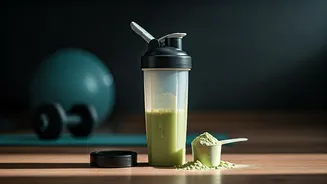
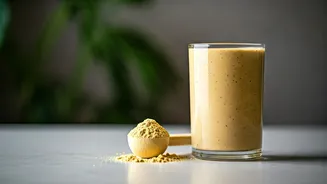
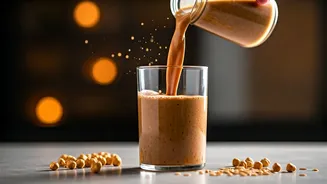
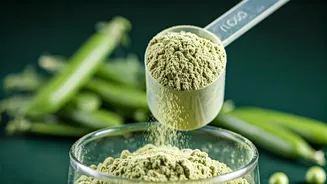
It sounds simple, and it largely is. Pea protein powder is derived from yellow split peas. The process involves drying and grinding the peas into a fine flour, then mixing it with water to separate the fibre and starch, leaving behind a concentrated paste of protein, vitamins, and minerals. This paste is then dried and ground into the fine powder you see in tubs and packets. The result is a high-quality protein source that is naturally vegan, gluten-free, and hypoallergenic, making it an excellent choice for individuals who struggle with dairy, soy, or gluten allergies. Unlike some plant proteins, it has a relatively neutral taste, making it a versatile addition to smoothies, baked goods, and even traditional Indian dishes like roti or dosa batter for an extra protein kick.
Whey’s New Challenger
So, how does it stack up against the reigning champion, whey? Surprisingly well. In terms of muscle growth, studies have shown that pea protein can be just as effective as whey when consumed as part of a structured training regimen. It is a 'complete' protein, meaning it contains all nine essential amino acids our bodies can't produce on their own. While it is slightly lower in one amino acid, methionine, this is easily compensated for in a balanced diet that includes other protein sources like rice or quinoa. Where pea protein really shines is digestibility. For the significant portion of the Indian population that is lactose intolerant, whey can cause bloating, gas, and discomfort. Pea protein offers a gut-friendly alternative without compromising on performance goals.
The ‘Native’ and ‘Clean’ Appeal
The spike in demand isn't just for any pea protein; it's specifically for 'native' and 'clean-label' versions. This speaks volumes about the modern Indian consumer. The 'native' tag suggests products that are made in India, sometimes from locally sourced peas, tapping into a growing desire to support domestic brands and reduce carbon footprints. The term 'clean label' is even more powerful. Consumers are tired of long, unpronounceable ingredient lists filled with artificial sweeteners, flavours, and gums. A clean-label pea protein powder typically contains just one ingredient: pea protein isolate. This transparency builds trust and appeals to a wellness-savvy audience that prioritises purity and simplicity in their supplements.
Is Pea Protein Right For You?
With the market booming, it's a good time to consider if pea protein fits your lifestyle. It’s an obvious choice for vegans, vegetarians, and anyone with dairy or soy allergies. It's also a fantastic option for those looking to diversify their protein sources or reduce their reliance on animal products. When choosing a product, look for brands that are transparent about their sourcing and processing. Opt for unsweetened and unflavoured versions to avoid hidden sugars and artificial additives. You can always add your own natural sweeteners like fruit or a touch of jaggery. As with any supplement, quality matters, so do a little research on the brand before you buy.