




The Anatomy of a Dark Store
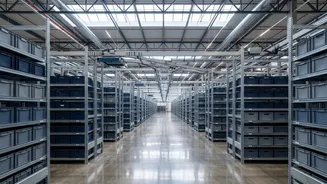
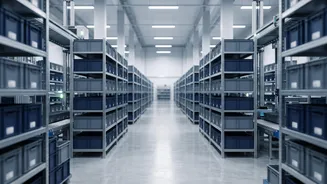
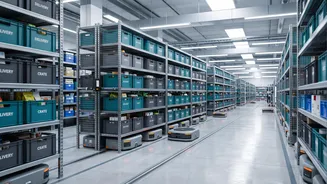
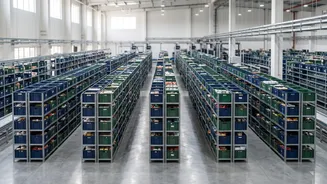
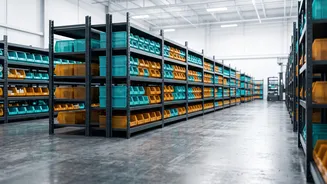
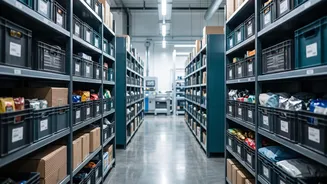
You've probably never stepped inside one, but if you've ordered anything for rapid delivery, you've used a dark store. These are not traditional retail outlets but small, strategically located warehouses designed exclusively for fulfilling online orders.
Unlike sprawling e-commerce fulfillment centers, dark stores are situated in dense urban neighbourhoods. Their sole purpose is speed: to stock a limited range of high-demand products that can be picked, packed, and dispatched to customers within a radius of just a few kilometres, often in 10 to 30 minutes. This model is the engine of the quick commerce industry, which was valued at over USD 5.9 billion in India in 2026 and is projected to grow significantly.
Bengaluru’s Quick Commerce Crown
Bengaluru has firmly established itself as India's dark store capital. According to various reports from mid-2026, the city hosts the highest number of these facilities, with estimates ranging from over 629 to more than 735, significantly outpacing other major metros like Delhi, Hyderabad, and Mumbai. This concentration is no accident. Bengaluru's status as a tech hub with a digitally savvy, high-income population, coupled with its dense residential clusters, creates the perfect environment for quick commerce to thrive. Platforms like Blinkit, Zepto, and Swiggy Instamart have invested heavily in the city, creating a dense network of stores to ensure maximum coverage and the fastest possible delivery times.
A New Engine for Jobs?
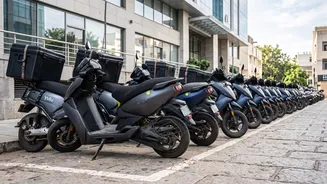
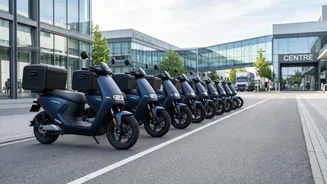
The rapid expansion of dark stores has been a significant driver of blue-collar job creation. Each store requires staff for picking and packing orders, managing inventory, and a fleet of delivery partners for last-mile logistics. According to one estimate, the quick commerce sector is significantly more labour-intensive than traditional e-commerce or modern trade. Some projections suggest the sector could create half a million new jobs by 2025. However, this employment boom comes with questions. Many of these roles are part of the gig economy, offering flexibility but often lacking the security, benefits, and stable career paths of traditional employment. As the industry matures, debates around worker rights and job quality are becoming more prominent.
The Hidden Costs to the City
While consumers enjoy unprecedented convenience, the proliferation of dark stores is placing a strain on urban infrastructure. These facilities are changing the face of real estate, with a surge in demand for small, ground-floor commercial spaces in residential areas, driving up rents by 20-25% in some high-demand localities. This shift raises zoning and compliance issues, as many stores operate in spaces not originally intended for round-the-clock logistics operations. Furthermore, the constant buzz of delivery vehicles contributes to traffic congestion and noise, sparking complaints from residents in some neighbourhoods. Municipal bodies are now faced with the challenge of adapting regulations to manage this new form of commerce without stifling innovation.
The Road Ahead
The future of quick commerce in India is a landscape of immense opportunity and significant challenges. The market is projected to expand dramatically, moving beyond groceries to include electronics, personal care, and more. However, profitability remains a major hurdle for many companies due to high operational costs, intense competition, and low margins on small basket sizes. For cities like Bengaluru, the key will be to strike a balance. The convenience and economic activity generated by quick commerce are undeniable, but they must be weighed against the long-term impact on urban planning, traffic management, and the local real estate market. As the industry continues to scale, the need for a sustainable model that works for companies, consumers, and the city itself will become increasingly urgent.