








Understanding the Unprecedented Airfare Surge
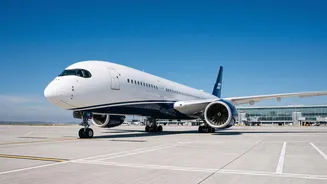
This festive season, planning a trip home or a vacation comes with a significant financial hurdle: soaring flight prices. Travellers are reporting airfare hikes of over 50% compared to last year on major domestic routes. For instance, a one-way ticket
from Mumbai to Patna ahead of Diwali has been seen to cross ₹25,000. This surge isn't just due to high demand. A combination of factors is at play, including elevated prices for Aviation Turbine Fuel (ATF), which makes up a huge chunk of an airline's operating costs. Additionally, some major carriers have reportedly reduced capacity compared to last year, meaning fewer seats are available to meet the festive rush, further driving up prices. The government has indicated it will not cap fares, leaving pricing to be determined by market dynamics.
The New Strategy: Pivot from Flight Savings to Trip Savings
For years, the mantra for budget travel was 'book flights early'. While still good advice, the current landscape of stubbornly high fares means that even early bookers are feeling the pinch. The new, smarter approach is to accept the high flight cost as a fixed expense and instead focus on areas where you have more control. This means shifting your budget optimisation efforts from the flight ticket to the entire trip experience. Travellers are now getting creative, cutting back on expenses for accommodation, shopping, and local activities to compensate for the expensive journey. It's a strategic reallocation of funds to ensure the vacation still happens without breaking the bank.
Accommodation: Your Biggest Budget Lever
Your choice of stay is often the second-largest expense after flights, making it the most powerful tool for savings. Instead of defaulting to large, expensive hotels in prime tourist areas, consider more budget-friendly alternatives. Homestays and boutique guesthouses offer a more authentic and affordable experience, often with the added benefit of home-cooked meals. Hostels are no longer just for backpackers; many now offer private rooms that are clean, safe, and significantly cheaper than hotels. Exploring options slightly outside the main city centre can also yield substantial savings. A short commute can often cut your accommodation bill significantly, freeing up funds for other parts of your trip.
Rethink Your Itinerary and Activities
Once you've reached your destination, every decision you make has a budget impact. Instead of packing your itinerary with costly paid attractions, mix in free activities. Explore local parks, markets, historical neighbourhoods, or scenic viewpoints that don’t charge an entry fee. For paid tours and experiences, booking in advance online can often secure better prices than buying on the spot. Also, consider how you get around. Opting for local public transport over private taxis for every trip can drastically reduce your daily spend. Being selective about one or two 'splurge' activities while keeping the rest of your sightseeing low-cost is a balanced approach.
The Art of Smart Food and Shopping Choices
Food and shopping are two areas where costs can quickly spiral out of control. Eating at restaurants in major tourist hubs almost always comes with a premium. A great way to save money and have a more authentic experience is to eat where the locals do. Street food in India is famous for being delicious and incredibly inexpensive. Similarly, setting a firm budget for shopping before you travel is crucial. It’s easy to get carried away, so decide on a limit and stick to it. This prevents impulse buys and ensures you are spending on souvenirs that are truly meaningful, rather than just adding to your expenses.
Consider When Flying Isn’t the Answer
While flying is often the fastest option, it's not the only one. For certain routes, especially those under 10-12 hours of travel time, an overnight train journey can be a brilliant alternative. You not only save a significant amount on the ticket price but also the cost of one night's accommodation. Modern Indian trains offer comfortable sleeper classes with air-conditioning. For shorter distances, inter-city buses or even hiring a car with a group can be more economical than flying, especially when you factor in the time and cost of travelling to and from airports located far from the city.