







The Dark Side of 10-Minute Delivery
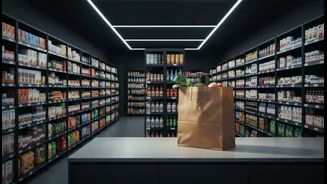
The promise of ultra-fast grocery delivery is compelling, but the system's speed can create food safety blind spots. Behind the convenience lies a network of 'dark stores'—small warehouses optimized for rapid dispatch. Recent inspections by the Food Safety
and Standards Authority of India (FSSAI) have raised questions about hygiene, storage, and food handling in these facilities. Issues like improper temperature control, cross-contamination between food and non-food items, and the sheer pressure on gig workers to meet tight deadlines can lead to mistakes. As a result, consumers have increasingly reported receiving everything from rotten eggs and spoiled milk to expired packaged goods. While regulators are stepping up scrutiny, it is crucial for you, the consumer, to be the final checkpoint.
Step 1: Inspect and Document Immediately
The moment your order arrives, do a quick inspection. Don't wait. Your ability to get a refund or resolution often depends on how quickly you act. The most critical step is to gather clear evidence before you even think about disposing of the problematic item. Use your phone to take sharp, well-lit photographs and videos. Capture every important detail: the expiry or 'best before' date, any visible signs of spoilage like mould or foul odour, torn or broken seals, and damaged packaging. Also, photograph the product label, batch number, and the delivery invoice or order receipt from the app. These records are your primary evidence and are invaluable if the issue needs to be escalated. For perishable items, check the temperature if possible; cold items should arrive below 40°F (about 4°C).
Step 2: Start with In-App Customer Support
Most quick-commerce platforms like Swiggy Instamart, Blinkit, and Zepto have a built-in customer support system within their apps. This should always be your first stop. Navigate to the 'Help' or 'Support' section, select the order in question, and choose the option to report a problem with a product. Clearly state the issue—whether the item is expired, damaged, or spoiled—and upload the photos you just took. Often, for straightforward issues, this can result in an immediate refund or replacement. However, if the automated response is unsatisfactory or you only get a refund without an acknowledgement of the safety issue, don't stop there. Politely but firmly request to escalate the complaint to a senior support executive or manager.
Step 3: Escalate to a Grievance Officer and Beyond
If in-app support fails, it's time to create a formal paper trail. Under India's Consumer Protection (E-Commerce) Rules, 2020, all platforms must appoint a Grievance Redressal Officer and resolve complaints within a month. Send a formal email to the company's customer support or Grievance Officer. Your email should include your order number, the date of delivery, a clear description of the problem, and all the photographic evidence you collected. This written record is crucial for any further action. If you still don't receive a satisfactory resolution, you have more powerful options. You can file a complaint with the National Consumer Helpline (NCH) by calling 1915 or using the consumerhelpline.gov.in portal. This government-run service can mediate on your behalf. For food-specific issues, you can also report the matter directly to the FSSAI through its 'Food Safety Connect' app or portal, which is designed for consumers to report such violations.
Why Your Complaint Is Bigger Than a Refund
It might seem easier to just accept a refund and move on, but reporting unsafe food has a much wider impact. Each complaint serves as a data point that helps regulators like the FSSAI identify patterns of negligence. Recent actions against several quick-commerce facilities were triggered by an accumulation of consumer complaints. When you escalate an issue, you are not just protecting yourself; you are contributing to a safer ecosystem for millions of other shoppers. You are holding these multi-billion dollar companies accountable and pushing them to improve their supply chain, storage conditions, and handling practices. Your legal rights under the Consumer Protection Act, 2019 are strong, and they override a platform's internal return policies when a product is defective or unsafe.