









Why Storms Are So Scary
A pet's fear of thunderstorms, sometimes called astraphobia, is more than just a dislike of loud noise. Their senses are far more acute than ours; they can feel the drop in barometric pressure and the static electricity in the air even before the first
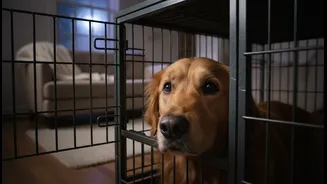
thunderclap. This combination of overwhelming sounds, startling flashes of light, and uncomfortable physical sensations can trigger a significant fear response. Some pets may have had a negative experience during a past storm, while others, particularly herding breeds, may have a genetic predisposition to noise sensitivity. This can lead to behaviours like shaking, panting, hiding, or even destructive attempts to escape.
Build a Calming Den
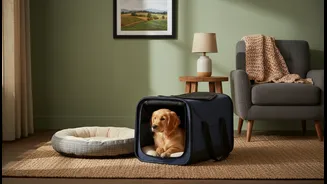
When frightened, an animal's natural instinct is to seek shelter. You can support this by creating a designated 'safe space' in your home. This doesn't have to be elaborate. It could be a crate (with the door left open), a corner of a quiet room, a closet, or even a bathroom. The best locations are interior rooms, away from windows, to muffle noise and block out lightning flashes. Make this space inviting with soft blankets, a favorite bed, and familiar toys. An old t-shirt that smells like you can also be incredibly comforting. The goal is to create a predictable, cozy retreat that your pet chooses to go to on their own, never a place where they feel trapped.
Manage the Sights and Sounds
You can't stop the thunder, but you can control the noise level inside your home. Drown out the storm's scary sounds by playing calming classical music, turning on the television, or using a white noise machine. This helps to mask the sudden rumbles that cause so much anxiety. Closing the curtains or blinds is another simple but effective step to block out the startling flashes of lightning. Try to minimize other sudden household noises as well. Avoid running the vacuum cleaner or using loud kitchen appliances during a storm, as these can add to your pet's sensory overload.
Secure Your Home to Prevent Escapes
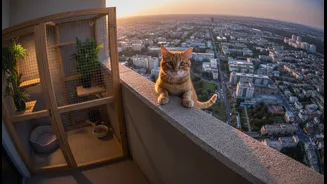
A truly panicked animal can go to extreme lengths to flee what it perceives as danger, which can lead to injury or getting lost. The concept of a 'secure exit' means ensuring there are no unintended ones. Before a storm hits, double-check that all doors, windows, and gates leading outside are securely latched. A terrified dog might scratch or chew at a doorframe, while a cat could slip through an unsecured window screen. Reinforcing your boundaries is a critical safety measure. This also means ensuring small spaces behind appliances or inside cabinets are blocked off, as a frightened pet might try to squeeze into a dangerous spot.
Your Calm Is Their Cue
Pets are highly attuned to our emotions. If you are stressed and anxious about their reaction to the storm, it can reinforce their fear. While it's natural to want to comfort a trembling pet, excessive coddling can sometimes be interpreted as a reward for fearful behavior. Instead, project a calm and confident demeanor. Act as if everything is normal. You can offer gentle reassurance but try to engage them in a low-key, distracting activity like a gentle brushing session or playing with a quiet toy. Your steady presence is one of the most powerful tools you have to show them there is nothing to fear.