




The Trouble with Refined Flour
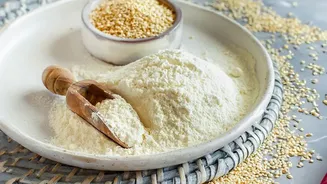
For decades, refined wheat flour, or maida, has been the undisputed king of the baking world. It creates light textures and a familiar taste in everything from sliced bread and naan to cakes and biscuits. However, its production process strips the wheat grain
of its most valuable components: the bran and the germ. This leaves only the starchy endosperm, which is then ground into a fine, white powder. While it may be versatile, maida offers very little nutritional value. It is low in fibre, vitamins, and minerals. Often called an 'empty calorie' food, regular consumption of maida-based products is linked to several health concerns. Its high glycemic index can cause rapid spikes in blood sugar, and the lack of fibre can lead to digestive issues like constipation and bloating. Over time, a diet heavy in refined flour can contribute to weight gain and increase the risk of chronic conditions.
The Resurgence of Ancient Grains
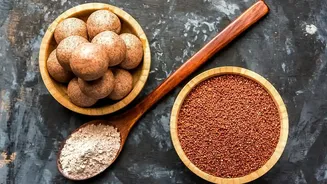
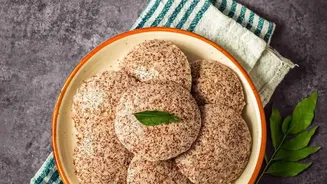
Enter millets, the humble grains that have nourished Indians for centuries. For generations, grains like Jowar (sorghum), Bajra (pearl millet), and Ragi (finger millet) were staples across the country before wheat and rice became dominant. Now, these 'super grains' are making a powerful comeback. Recognised for their resilience in farming and their dense nutritional profile, millets are being celebrated once again. Health-conscious consumers are driving this trend, seeking foods that not only taste good but also contribute positively to their well-being. This renewed interest is shifting millets from traditional porridges and rotis into the modern bakery aisle.
A Nutritional Upgrade for Your Plate
The primary reason for swapping refined flour for millets is the significant nutritional upgrade. Millets are naturally packed with fibre, which aids digestion, keeps you feeling full for longer, and helps manage weight. They are also a rich source of essential minerals and vitamins. Ragi, for instance, is renowned for its high calcium content, which is crucial for bone health. Bajra is rich in iron, supporting energy levels, while Jowar provides a good dose of protein and antioxidants. Importantly, most millets have a lower glycemic index compared to refined flour, meaning they release sugar into the bloodstream more slowly. This quality makes them an excellent choice for managing blood sugar levels and sustaining energy without the dreaded crash. Furthermore, millets are naturally gluten-free, making them a safe and healthy option for people with celiac disease or gluten sensitivity.
From Roti to Rustic Loaves
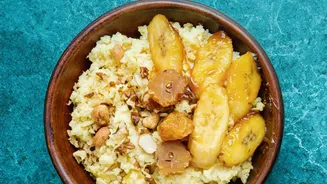
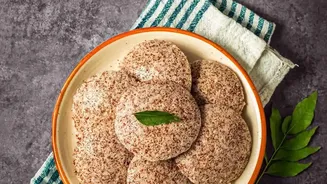
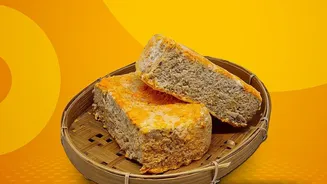
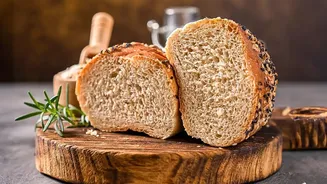
The most exciting part of this trend is the innovation it has sparked in the bakery space. Millets are no longer confined to traditional flatbreads. Creative bakers and health-focused brands are now incorporating millet flours into a wide array of products. You can find everything from dense, nutty-flavoured jowar bread and ragi chocolate-chip cookies to bajra muffins and multigrain cakes. These items offer the satisfaction of a baked treat without the nutritional drawbacks of their maida-based counterparts. While the texture may be different—often denser and heartier than what you'd get from refined flour—the taste is rich and satisfying. This growing market means that accessing healthier baked goods is easier than ever for the average shopper.
Making the Smart Swap
If you're looking to make the switch, start by reading ingredient lists carefully. Look for products where millet flour (like ragi, jowar, or bajra) is listed as the primary ingredient, not just a minor addition to refined wheat flour. Be prepared for a different taste and texture experience; millet breads are typically denser and have a more complex, earthy flavour than white bread. You can start by trying a multigrain loaf that blends whole wheat with millets, or experiment with millet cookies and rusks as a snack. This small change in your shopping cart can be a simple yet powerful step towards a diet that is richer in essential nutrients and fibre.