

Rajasthan: The Desert in Bloom
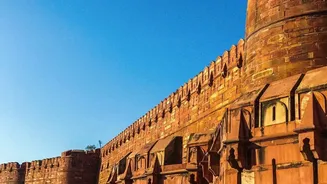
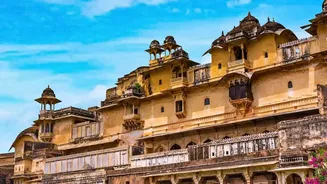
By September, the heavy rains have typically withdrawn from Rajasthan, leaving behind a surprisingly green landscape. The intense heat of summer has subsided, and the lakes in cities like Udaipur are full, reflecting the majestic palaces and forts. This
month is a shoulder season, meaning you will encounter fewer tourists and potentially find better deals on hotels. While occasional light showers are possible, especially early in the month, the weather is generally pleasant for sightseeing in cities like Jaipur and Jodhpur. It is an ideal time to explore the regions heritage with daytime temperatures often ranging from 28°C to 35°C. Desert safaris in Jaisalmer also begin to resume in mid-to-late September as the ground dries.
Kashmir Valley: An Autumn Prelude
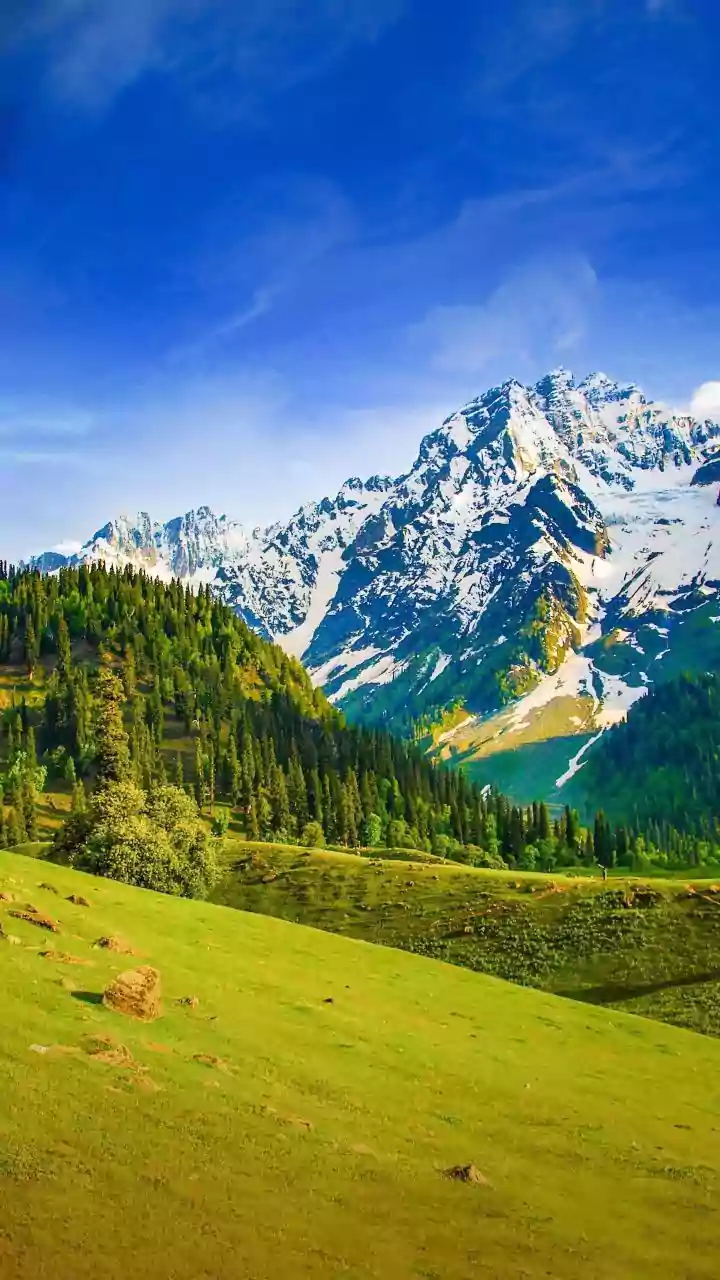
September is widely regarded as one of the best months to visit Kashmir. The monsoon has largely concluded, resulting in clear blue skies and comfortable weather, perfect for outdoor activities. Daytime temperatures in Srinagar are pleasant, usually between 20°C and 25°C, though nights become cooler. The valley, still lush from the summer rains, begins its slow transition to autumns golden hues. This is an excellent time for shikara rides on a calm Dal Lake, exploring the vibrant Mughal gardens, and enjoying the scenery without the summer crowds. Road conditions are generally good for accessing popular spots like Gulmarg and Pahalgam.
Spiti Valley: The High-Altitude Desert
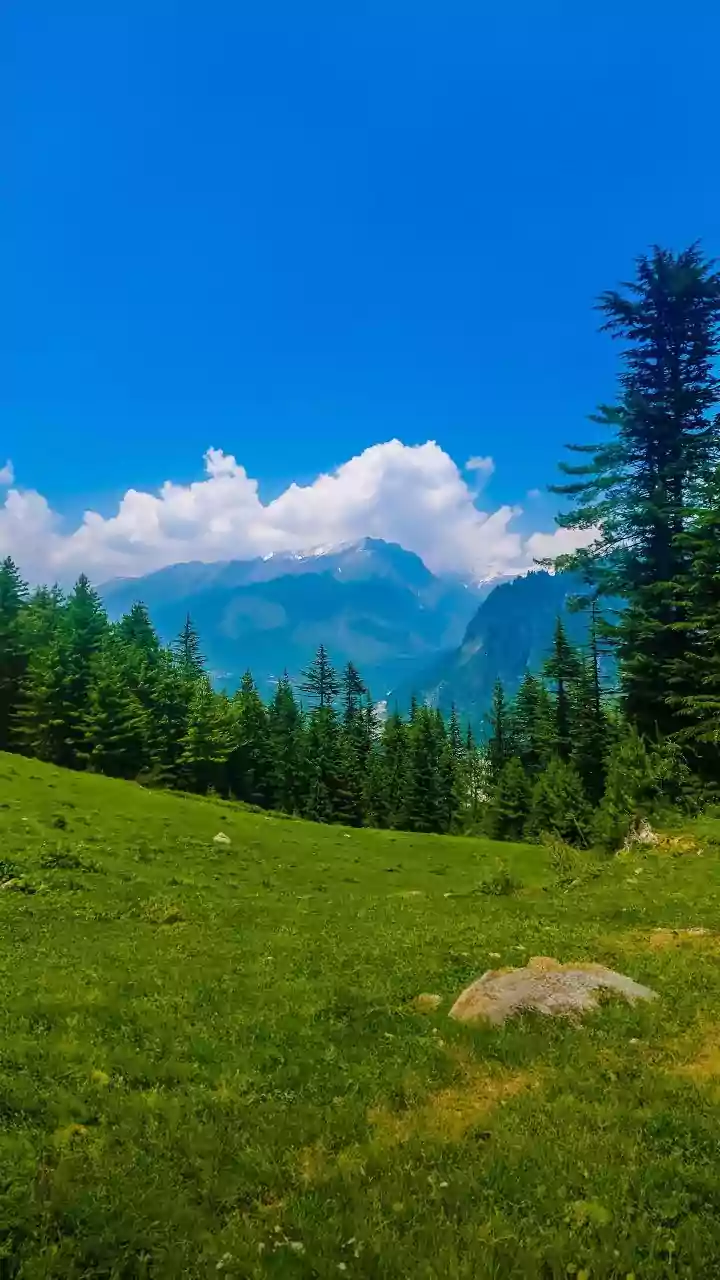
For those seeking adventure and dramatic landscapes, Spiti Valley in Himachal Pradesh is an excellent choice for September. Located in the rain shadow of the Himalayas, Spiti receives very little monsoon rainfall, making September one of the best months to visit. The roads, including the Manali-Kaza highway, are typically clear and stable, offering access to this remote region. The skies are exceptionally clear, providing stunning views of the stark, mountainous terrain and opportunities for stargazing. Key monasteries like Key Gompa and the village of Kibber are easily accessible. The weather is dry and sunny during the day, though temperatures drop significantly at night, so packing layers is essential.
Orchha: A Hidden Gem in Madhya Pradesh
While Central India still sees some rain in September, the historic town of Orchha in Madhya Pradesh becomes particularly beautiful. The monsoon showers leave the landscape lush and green, and the Betwa River, which flows by the towns famous chhatris (cenotaphs) and palaces, is full. The rain is less constant than in peak monsoon months, allowing for exploration of Orchhas stunning Bundela-era architecture. Temperatures are warm, with highs around 32°C, and the humidity starts to decrease as the month progresses. It is a great off-beat destination for history and architecture lovers looking to avoid more crowded tourist circuits.
The East Coast: A Different Monsoon Cycle
Destinations along Indias southeastern coast, such as Pondicherry, operate on a different weather cycle. The primary southwest monsoon has less of an impact here, and the northeast monsoon typically arrives later in the year. This makes September a relatively calm and dry month to explore the French Quarter of Pondicherry or the ancient temples of Tamil Nadu. The weather is hot, but the worst of the rains has passed in many surrounding areas, leading to more predictable travel conditions before the onset of the next rainy season.