





The Science of Saving Space
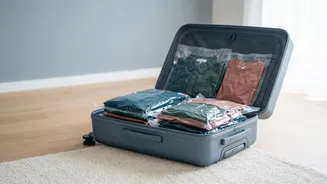
Vacuum bags for travel are essentially heavy-duty plastic bags with a one-way valve and a zip-lock seal. The concept is simple yet incredibly effective: by removing all the excess air trapped between your clothes, you can compress bulky items to a fraction
of their original size. This method can free up as much as 60-70% of your luggage space, turning a hopelessly overstuffed suitcase into a neatly organised one. They are especially useful for soft, puffy items like sweaters, hoodies, and jackets, which often take up the most room. Beyond just saving space, these bags also protect your clothes from dust, moisture, and odours during transit.
Choosing the Right Tools for the Trip
Not all vacuum bags are created equal, especially for travel. While you might use large, vacuum-cleaner-dependent bags for home storage, travel requires a more portable solution. Look for roll-up bags or, even better, kits that come with a small, travel-sized pump. Roll-up bags allow you to squeeze the air out manually, which is convenient but may not achieve maximum compression. A mini, rechargeable pump (often USB-powered) is the most efficient option, letting you re-compress your clothes for the journey home without needing to find a household vacuum cleaner. Ensure the bags are made from durable, tear-resistant plastic to withstand the rigours of travel.
What to Pack and What to Leave Out
Vacuum bags work wonders, but not on everything. They are ideal for compressing cottons, denim, synthetics, and other resilient fabrics. Think T-shirts, trousers, socks, and underwear. They are a game-changer for bulky winter wear like fleece and sweaters. However, you should be cautious with delicate materials. Avoid packing structured garments like blazers, which can lose their shape, and natural fibres like leather, which can be permanently creased or damaged. Down-filled jackets and some wool items should only be compressed for short periods, as long-term compression can crush the fibres and reduce their insulating properties.
The Art of the Fold and Seal
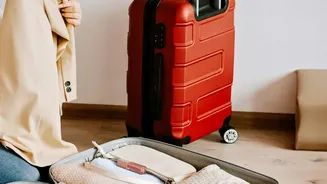
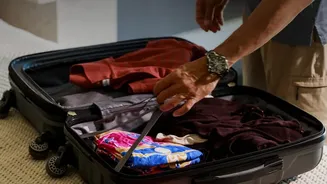
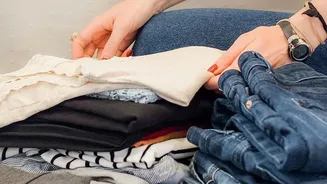
How you pack your clothes into the bag is just as important as the bag itself. To minimise wrinkles, neatly fold or roll each item before placing it inside. Don't overstuff the bag; stopping at about 80% capacity prevents the seal from failing under pressure. Lay the items flat and in even layers. Before removing the air, slide your fingers across the zipper multiple times to ensure it's completely sealed. A tiny gap can cause the bag to slowly re-inflate. Once sealed, use your pump or roll the bag to expel all the air until it’s flat and compact. The compressed bags can then be stacked like panels in your suitcase, making organisation simple.
Avoiding the Weight vs. Space Trap
Herein lies the most common mistake: saving space does not save weight. With the ability to fit more items, it’s easy to get carried away and exceed your airline's weight limit for carry-on or checked baggage. A suitcase that looks half-empty could still be surprisingly heavy. Before you head to the airport, always weigh your packed luggage. The goal of using vacuum bags is to make packing more manageable and potentially stick to a smaller bag, not to carry double the amount of clothing. Use the extra space for bulky but light items, or simply enjoy the ease of a less-crammed suitcase.
The Wrinkle Question and Unpacking
Let's be clear: vacuum bags can cause wrinkles, especially if items aren't packed neatly. The intense compression sets creases more firmly than loose packing. However, many travellers find the trade-off worthwhile. To combat this, unpack your compressed clothes as soon as you arrive at your destination. Hanging them in a steamy bathroom can help release some of the lighter creases. For fabrics prone to wrinkling, consider using packing cubes instead or placing them at the top of your luggage outside the vacuum bags. Many find that for casual wear like T-shirts and sweaters, the wrinkles are minimal and fall out quickly.