







What is Traditional Knowledge?
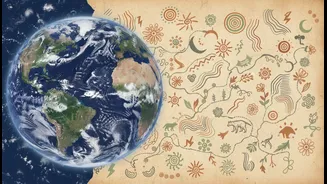
Traditional Ecological Knowledge (TEK), also called Indigenous Knowledge (IK), is a cumulative body of wisdom and practices passed down through generations within a specific culture. It's far more than folklore; it is a holistic system of understanding
the intricate relationships between humans, nature, and the environment. This knowledge is deeply rooted in a place, built on centuries of direct observation, and woven into the cultural and spiritual fabric of a community. From knowing which plants have medicinal properties to understanding subtle signs of weather changes, TEK provides a detailed, long-term perspective that modern, data-driven science often lacks.
A Bridge Between Past and Present
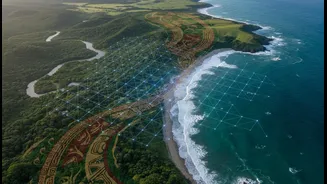
Scientists are turning to traditional knowledge because it offers invaluable, time-tested insights. Where a scientific study might collect data for a few years, indigenous communities hold knowledge spanning centuries, providing a unique long-term view of ecological change. This is especially crucial for tackling complex issues like climate change. For example, indigenous communities were among the first to notice the early signs of a shifting climate because of their intimate connection to the land. This ancestral wisdom can complement scientific data with precise, local information that is critical for creating effective conservation strategies and climate adaptation plans.
Success Stories from India and Beyond
Across India, the integration of traditional practices is yielding impressive results. In Rajasthan, the revival of ancient rainwater harvesting systems like 'johads' and 'tankas' is helping communities combat water scarcity. In Northeast India, the Apatani tribe's integrated rice and fish farming is a model of productivity and efficiency. Similarly, communities are reviving the cultivation of millets, resilient crops well-suited to India's climate. Globally, the story is similar. In Australia, the controlled 'cool burning' practices of Aboriginal peoples are now being studied to help manage and prevent devastating wildfires. In British Columbia, Canada, scientists have validated ancient 'clam gardens' built by First Nations, a sophisticated form of mariculture that enhances shellfish populations.
Challenges and Ethical Considerations
Bridging these two worlds is not without its difficulties. A long history of colonialism and mistrust has often led to scientific institutions dismissing or exploiting indigenous knowledge. There are significant concerns about intellectual property—ensuring that communities are respected, credited, and compensated for their wisdom. For this partnership to be successful, it must be built on a foundation of mutual respect, transparency, and a genuine recognition that different ways of knowing are equally valid. It requires moving away from simply extracting information and toward true collaboration where indigenous partners are treated as equals in the research process.
The Future of Environmental Stewardship
The path forward involves creating a more inclusive and holistic approach to environmental science. This means formally integrating TEK into policy and decision-making, from local conservation efforts to global climate agreements. In India, a landmark Supreme Court decision in 2024 to protect Rajasthan's sacred groves, or 'Orans', as forests is a powerful example of institutional support for cultural conservation practices. By blending the empirical rigour of modern science with the deep, contextual wisdom of traditional knowledge, we can develop more effective, equitable, and sustainable solutions to our planet's most pressing environmental challenges.