A Gift From Halley's Comet
The Orionid meteor shower is an annual celestial event that occurs when Earth passes through the stream of debris left behind by Comet 1P/Halley, better known as Halley's Comet. While the comet itself only graces our skies once every 76 years—its next
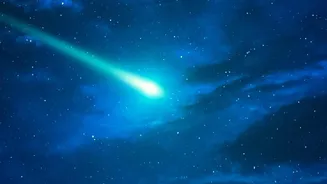
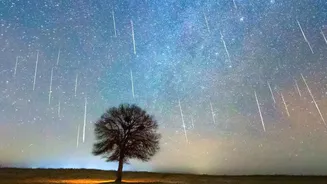
appearance is in 2061—it leaves a trail of dust and ice particles in its orbital path. Each October, our planet travels through this cosmic river of debris. These tiny particles, many no larger than a grain of sand, enter our atmosphere at tremendous speeds of around 66 kilometres per second and burn up, creating the brilliant streaks of light we call meteors or 'shooting stars'. The same comet also produces the Eta Aquarid meteor shower in May.
Peak Dates and Times for India
The Orionids are active from early October to early November, but the best time to watch is during the peak. For 2026, the shower will peak on the night of October 21 and into the pre-dawn hours of October 22. Under ideal, dark-sky conditions, you could see between 10 and 20 meteors per hour. However, some years have seen surprise bursts of up to 75 meteors per hour, though recent displays have been more modest. The meteors appear to radiate from the constellation of Orion the Hunter, which is how the shower gets its name. Orion rises in the east in the late evening, making the hours after midnight the prime viewing window.
The Challenge of a Bright Moon
Unfortunately, viewing conditions in 2026 will be hampered by a bright waxing gibbous Moon, which will be about 77% illuminated on the peak night. The bright moonlight will wash out many of the fainter meteors, making them harder to spot. But don't lose hope. There is a window of opportunity for Indian observers. The Moon will set in the early morning hours, around 2:30 AM to 4:00 AM IST, depending on your exact location. This leaves a period of dark skies between moonset and the start of dawn (around 5:15 AM), which will be the absolute best time to try and catch the show. The Orionids are known for their speed and brightness, with some leaving persistent, glowing trails that can remain visible for a few seconds, and these brighter meteors may still be visible despite the moonlight.
How to Get the Best View
You don't need a telescope or binoculars; in fact, they are not recommended as they limit your field of view. The best tool is simply your eyes. First, escape the city. Light pollution from urban areas will obscure all but the brightest meteors. Find a safe, dark location with a wide, unobstructed view of the sky. This could be a rural area, a park far from streetlights, or a high-altitude location. Give your eyes at least 20 to 30 minutes to fully adapt to the darkness, and avoid looking at your phone screen, as its bright light will ruin your night vision. Lie on a blanket or a reclining chair to look straight up comfortably without straining your neck. While the meteors radiate from Orion, they can appear anywhere in the sky, so a broad view is essential.
Prime Stargazing Spots in India
For those serious about catching the shower, heading to a designated dark-sky location is your best bet. India's high-altitude regions offer world-class stargazing due to thin, dry air and minimal light pollution. Hanle in Ladakh is home to India's first official Dark Sky Reserve and is considered one of the best astronomy sites in the world. Other excellent locations in the Himalayas include Spiti Valley in Himachal Pradesh and areas in the Kumaon region of Uttarakhand like Kausani. For those in other parts of the country, the Rann of Kutch in Gujarat, away from settlements, offers vast, dark horizons. Even getting to a rural spot 50-100 km outside major cities like Pune, Mumbai, or Delhi can dramatically improve your chances of seeing the cosmic display.