






The Annual Spectacle of Urban Flooding
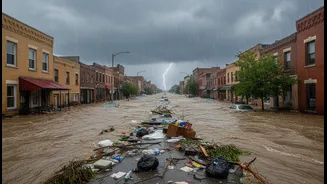
Year after year, the monsoon season turns India's bustling metropolises into scenes of chaos. Cities like Mumbai, Bengaluru, Delhi, and Chennai share a common, recurring problem: even a moderate spell of rain can lead to widespread disruption. This isn't
a new phenomenon, but its frequency and intensity are growing, transforming a once-celebrated season into an annual source of anxiety for millions. While it's easy to blame the weather, the reality is far more complex. The conversation among urban planners, scientists, and policymakers is now shifting from a reactive crisis-management approach to a deeper, more diagnostic one. They argue that the root of the problem isn't just the volume of rain but the inability of our cities to manage it, a failure that begins out of sight.
From Symptoms to the Subterranean Cause
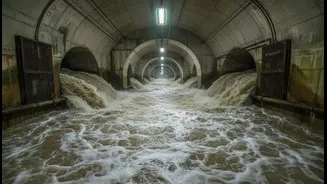
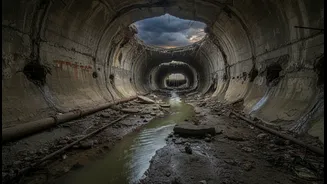
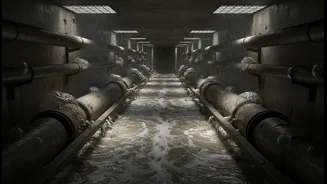
For decades, the response to urban flooding has focused on the visible symptoms: pumping water from underpasses, clearing surface drains, and blaming unprecedented rainfall. However, a growing consensus points to a more fundamental issue: the failure of our underground infrastructure. The vast, unseen networks of stormwater drains, sewerage pipes, and utility tunnels beneath our feet are the real culprits. Many of these systems were designed and built decades ago, intended for smaller populations and less intense, predictable rainfall patterns. Today, they are overwhelmed. Unchecked urbanisation has paved over permeable surfaces that once absorbed rainwater, increasing surface runoff dramatically. As a result, decades-old drains, often clogged with silt and solid waste, simply cannot cope with the short, intense downpours that are becoming more common due to climate change.
What the New 'Science Chat' is About
The new 'science chat' is all about moving from outdated, conventional drainage to more holistic and sustainable solutions. Experts are championing concepts like the "Sponge City," an approach that uses nature-based solutions to manage stormwater. Instead of just evacuating rainwater as quickly as possible, a sponge city is designed to absorb, store, clean, and slowly release it, mimicking natural ecosystems. This involves integrating green infrastructure like permeable pavements, rain gardens, green roofs, and artificial wetlands into the urban fabric. These elements help reduce the burden on traditional 'grey' infrastructure by decreasing runoff and promoting groundwater recharge—tackling both flooding and water scarcity simultaneously. This shift requires reconceptualising rainfall not as a waste product to be disposed of, but as a resource to be managed.
Technology and a New Way of Thinking
Alongside nature-based solutions, technology is playing a crucial role. Urban planners now have access to advanced tools like GIS-based mapping, LiDAR surveys, and hydrological modelling. These technologies allow for the creation of detailed, dynamic flood inundation maps that can simulate how water will behave under different rainfall scenarios. This enables authorities to identify chronic flooding hotspots and test the effectiveness of potential interventions before they are built. The goal is to move beyond a one-size-fits-all approach and develop area-specific flood management plans that account for local topography, soil type, and existing drainage networks. This marks a critical transition from relying on historical weather data to designing climate-resilient infrastructure that can withstand the projected risks of the future.
Challenges on the Ground in India
While concepts like Sponge Cities offer a promising path forward, implementation in the Indian context is fraught with challenges. Major hurdles include outdated urban planning policies, scarcity of land for green infrastructure projects, and significant financial constraints. Many municipal bodies are under-funded and lack the technical expertise needed to execute such complex projects. Furthermore, the success of these initiatives depends heavily on community participation and a strong governance framework that can enforce regulations, such as preventing encroachment on wetlands and natural drainage channels. Experts argue that India does not just need new policies, but a fundamental shift in urban governance, with greater funding and authority for local bodies to manage and maintain these vital systems.