

Wild vs. Cultivated: Know the Risks
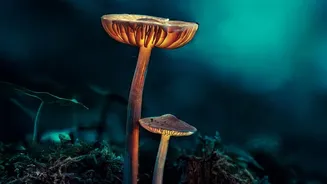
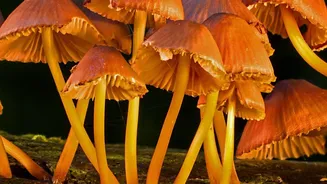
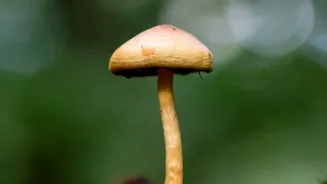
The monsoon brings a flush of wild mushrooms, many of which are foraged and sold by local communities. Varieties like Rugda in Jharkhand or the termite-mound olmi in Goa are seasonal delicacies. However, distinguishing edible wild mushrooms from toxic
ones is a skill that takes generations to master. Many poisonous mushrooms look deceivingly similar to edible ones, and myths—like poisonous mushrooms being brightly coloured—are dangerously misleading. Health departments frequently issue warnings, as accidental consumption can cause severe illness or even be fatal. Unless you are an expert or are buying from an exceptionally trusted traditional source, it is safest to stick to commercially cultivated mushrooms from reliable sellers.
How to Select the Best Mushrooms at the Market
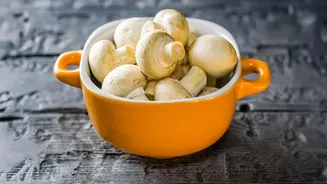
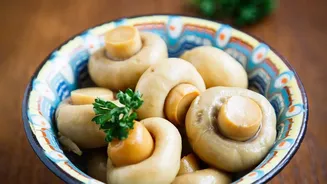
When buying mushrooms during the monsoon, freshness is key. The damp air can make them spoil quickly. Look for mushrooms that are firm, plump, and dry to the touch. Avoid any that appear slimy, have dark spots, or feel soft. If you're buying button mushrooms, a closed cap where the gills aren't exposed often indicates a fresher, milder flavour. It's better to buy mushrooms loose rather than pre-packaged, as plastic traps moisture and accelerates spoilage. This also allows you to inspect each mushroom properly. Buy only what you need for a day or two, as their shelf life is significantly shorter in humid weather.
The Cleaning Conundrum: To Wash or Not to Wash?
A long-standing kitchen debate is whether to wash mushrooms. Many believe they act like sponges, soaking up water and becoming soggy. While it's true you shouldn't soak them for long periods, a quick rinse is essential, especially in the rainy season when they might carry more bacteria. The best method is to place them in a colander and rinse them quickly under cool running water, using your fingers to gently rub off any dirt. Immediately pat them thoroughly dry with a clean cloth or paper towel. Do not wash mushrooms until you are ready to cook, as storing them wet will make them slimy.
Proper Storage in a Humid Climate
Once you bring mushrooms home, proper storage is vital to keep them fresh. The worst thing you can do is leave them in a sealed plastic bag, which traps moisture and leads to decay. The ideal way to store mushrooms is in a paper bag in the main compartment of your refrigerator. The paper allows them to breathe and absorbs excess moisture, keeping them firm for longer. Stored this way, most common mushrooms like button or cremini can last for a few days, giving you enough time to use them before they deteriorate.
Cooking Tips for Perfect Monsoon Mushrooms
Because mushrooms have a high water content, the key to cooking them well—especially when they might be a bit waterlogged from the humidity—is to manage that moisture. First, ensure your pan is hot before adding the mushrooms. Don't overcrowd the pan; cook in batches if necessary. This allows the moisture to evaporate quickly so the mushrooms can brown rather than steam. Another pro tip is to hold off on adding salt until the end. Salting mushrooms too early draws out their water, making them soggy and preventing them from developing a rich, caramelised flavour. Finally, always cook mushrooms thoroughly during the monsoon; avoid using them raw in salads to minimise any risk of bacterial contamination.