


The Original Indian Superfood: What Is Sattu?
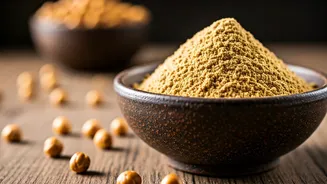
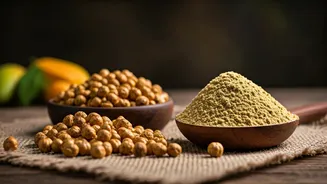
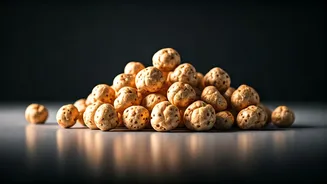
For centuries, sattu has been a staple food in Indian states like Bihar, Uttar Pradesh, and Jharkhand. [4, 22] Often called the 'poor man's protein,' this humble flour is made from roasted Bengal gram (chana) that is ground into a fine powder. [8, 22,
26] Traditionally, it has been the go-to source of sustained energy for farmers and laborers, valued for its cooling properties and impressive nutritional profile. [4, 26] Now, this ancient wisdom is being rediscovered by the modern fitness community, who see it as a clean, minimally processed alternative to commercial protein shakes. [5, 10]
A Nutritional Powerhouse
Sattu's nutritional stats are impressive. Per 100 grams, it typically contains about 20-26 grams of protein, 60-65 grams of complex carbohydrates, and a hefty 15-18 grams of dietary fibre. [2, 7, 26] This makes it an excellent source of plant-based protein. While some sources debate its completeness, many studies confirm it contains all nine essential amino acids, making it a high-quality protein for muscle repair and growth. [2, 4, 9] Furthermore, its low glycemic index (around 35-40) ensures a slow and steady release of energy, preventing the sugar crashes associated with many pre-workout drinks. [2, 26] It's also packed with essential minerals like iron, magnesium, and calcium, which are vital for muscle function, bone health, and combating fatigue. [5, 7, 11]
The Ultimate Price Showdown
Here's where sattu truly shines. The headline's claim of being the 'most affordable' holds up under scrutiny. In the Indian market, basic chana sattu can be found for as low as ₹95 to ₹150 per kilogram. [16, 17] Given its protein content of around 22g per 100g, this is an incredibly cost-effective source of protein. In stark contrast, a kilogram of budget-friendly whey protein concentrate often starts at ₹1,100 and can go up to ₹3,000 or more. [18, 19, 28] Other plant-based proteins, like pea or soy isolate, are also significantly more expensive, with prices for a 1kg pack often ranging from ₹900 to over ₹2,000. [20, 24] When you do the math, the cost per gram of protein from sattu is a fraction of that from its commercial counterparts.
How to Prepare Your Sattu Gym Shake
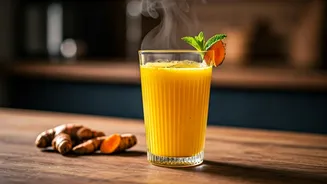
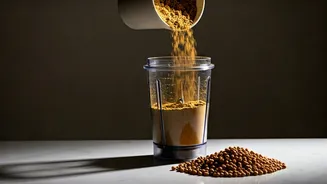
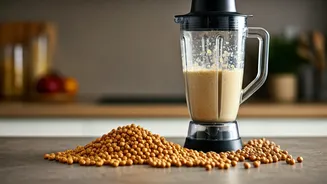
Making a sattu shake is simple and versatile. For a classic, savoury pre- or post-workout drink, mix 3-4 tablespoons of sattu powder with a glass of water, a pinch of black salt, roasted cumin powder, and a squeeze of lemon juice. [8] This version is excellent for hydration and replenishing electrolytes. If you prefer a sweet shake, blend the sattu with milk (or almond milk), a spoonful of jaggery or honey, and maybe a pinch of cardamom. [6, 13] For a more calorie-dense, meal-replacement style shake, you can add a banana, a few nuts, or some soaked chia seeds to the blend. [3]
Are There Any Downsides?
While sattu is overwhelmingly beneficial, there are a couple of points to consider. Due to its high fibre content, suddenly introducing a large amount can cause gas or bloating for those not accustomed to it. [8] It's best to start with a smaller quantity and gradually increase your intake. Additionally, unlike protein isolates which are almost pure protein, sattu contains a significant amount of carbohydrates. [12] While these are healthy, complex carbs, individuals on very low-carb or ketogenic diets might find it doesn't fit their macros as easily as a whey or soy isolate. [12, 14]