


The Unsung Hero of Sourdough
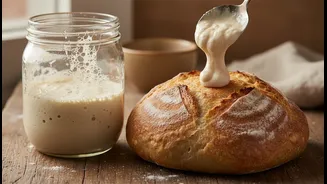
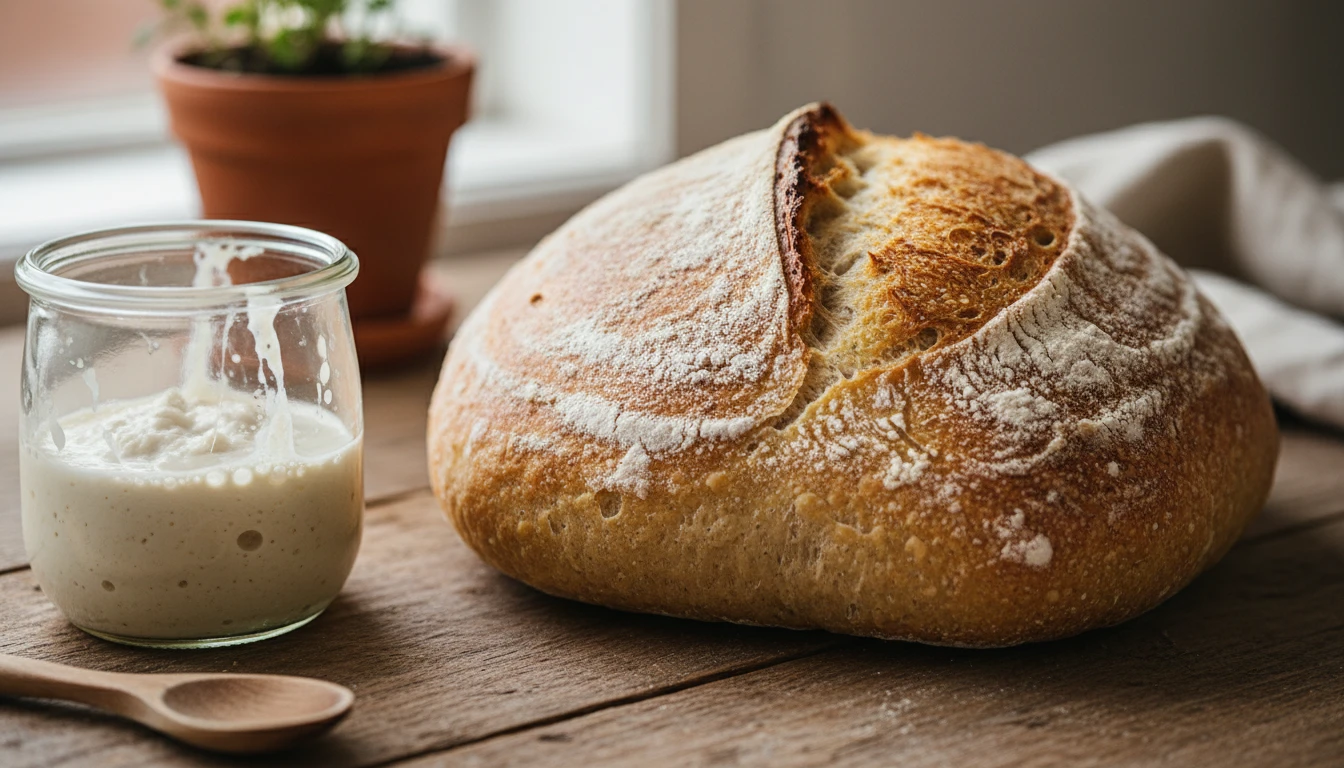
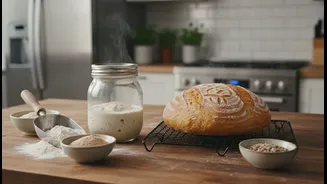
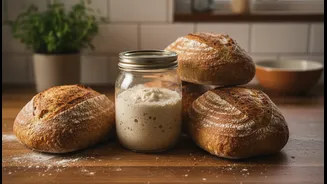
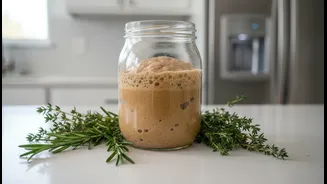
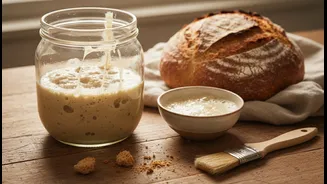
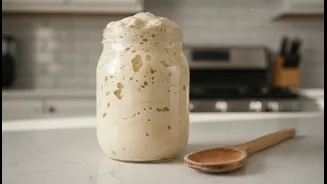
If you’ve ever maintained a sourdough starter, you know the drill. To keep the wild yeast and bacteria culture healthy and active, you must regularly 'feed' it with fresh flour and water. But before you feed it, you have to remove a portion of the existing
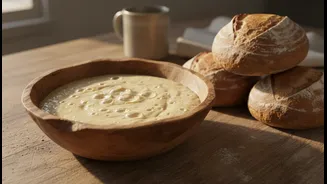
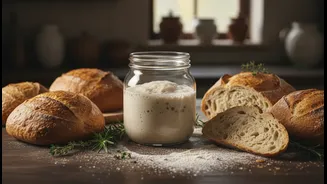
starter to keep it from growing uncontrollably. This removed portion is called the 'discard'. For a long time, as the name implies, many bakers simply threw it away. While this discard isn't active enough to leaven a loaf of bread on its own, it’s a flavourful, fermented mixture of flour and water that’s perfectly good to use. This realisation has sparked a movement, turning a routine maintenance step into an opportunity for culinary invention.
From Trash to Treasure
At its core, the appeal of baking with sourdough discard is rooted in a desire to reduce food waste. For the eco-conscious urban millennial, throwing away a perfectly edible byproduct feels counterintuitive. It aligns with a broader 'zero-waste' philosophy that encourages using every part of an ingredient, from vegetable peels to chicken bones. Using discard isn't just about being frugal; it's a tangible, satisfying way to practice sustainability in your own kitchen. This mindset is transforming home cooking, where every scrap is seen as potential flavour. Sourdough discard fits perfectly into this narrative, allowing home cooks to create something delicious from nothing, which resonates deeply with a generation concerned about its environmental footprint.
More Than Just a Cracker
For many millennials, cooking and baking are about more than just sustenance; they are acts of mindfulness and self-expression. The sourdough discard trend taps into this beautifully. It’s a quiet rebellion against the fast-paced, disposable culture of modern life. Taking the time to nurture a starter and creatively use its discard provides a sense of connection to the food we eat. This trend is part of a larger shift towards healthier, more intentional eating in India, with a growing preference for whole grains, natural ingredients, and traditional methods like fermentation. Baking with discard, which is easier to digest for some and adds nutritional benefits, feels authentic and wholesome.
A Playground for the Palate
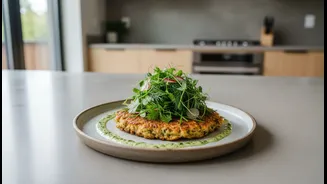
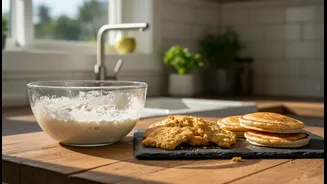
Beyond its sustainable credentials, sourdough discard is incredibly versatile. It adds a subtle, tangy complexity and moisture to a huge range of recipes, both sweet and savory. The internet is flooded with creative uses, from pancakes, waffles, and muffins to crackers, pizza bases, and even fresh pasta. Because the discard itself isn't a powerful leavening agent, it’s often used in recipes that rely on baking soda or baking powder for lift, where it primarily contributes flavour and texture. This makes it a low-pressure ingredient to experiment with, encouraging home cooks to get creative and adapt their favourite recipes. It's less about the rigid science of bread-making and more about the joy of playful experimentation.
Baking and Bonding
Like the initial sourdough boom, the discard trend is fueled by online communities. Home bakers share their successes and failures on social media, swapping recipes for everything from discard naan to chocolate cake. This digital camaraderie creates a sense of shared purpose and collective learning, making the hobby more accessible and less intimidating for beginners. It also provides a confidence boost; successfully turning 'waste' into a delicious meal feels like a win. For a generation that values experiences and community, sharing a picture of freshly baked discard crackers is as much a part of the process as the baking itself.