



Why Proper Drying Is Non-Negotiable
Getting caught in a sudden downpour or slogging through waterlogged streets during the monsoon is a common Indian experience. While we might wipe our shoes and forget about them, trapped moisture is a quiet destroyer. When shoes are left damp, the materials
begin to break down. Adhesives that hold the sole together weaken, leather can crack and stiffen, and fabrics become a breeding ground for mould and mildew. This not only creates unpleasant odours but can also lead to foot-related health issues like fungal infections. An improper drying routine effectively shortens the life of your footwear, turning a prized pair into a smelly, misshapen mess long before its time. A dry shoe is a shoe that lasts longer, saving you money and discomfort.
The Golden Rules of Shoe Drying
Before you resort to desperate measures, know that almost all experts agree on one thing: direct heat is the enemy. Placing shoes near a heater, in direct sunlight, or using a hairdryer can cause irreversible damage like shrinking, cracking, and warping. Instead, follow these universal steps for safe and effective drying. First, always remove the insoles and loosen the laces. This opens up the shoe and allows air to circulation freely, drying the interior much faster. If they are particularly dirty, give them a quick clean to remove mud or debris before you begin the drying process.
Simple Tools for the Job
You don’t need expensive gadgets to dry your shoes effectively. The most trusted tool is one you likely have at home: newspaper. Stuff crumpled newspaper tightly into your shoes, all the way to the toe. The paper is highly absorbent and will draw moisture out from the inside. For very wet shoes, you may need to replace the newspaper every few hours. For faster results, position the stuffed shoes in a well-ventilated area, perhaps in front of a fan. The moving air greatly speeds up evaporation without the damaging effects of heat. Other useful items include shoe trees, especially those made of cedar, which absorb moisture and help maintain the shoe’s shape.
A Material-by-Material Guide
Different materials require slightly different approaches. Leather: This natural material is prone to cracking if dried too quickly. After blotting away excess water, insert cedar shoe trees or newspaper and let them air dry naturally for at least 24 hours. Once fully dry, apply a leather conditioner to restore the natural oils lost to the water. Suede and Nubuck: These delicate materials can get water stains and a matted texture. Use a soft towel to blot moisture, then stuff them and let them air dry completely. Once dry, use a dedicated suede brush to restore the nap. Canvas and Fabric Sneakers: These are generally more resilient. After removing dirt, you can stuff them with newspaper or use a fan. Hand-washing is often recommended over machine washing to prevent deformation. Athletic & Running Shoes: Mostly made of synthetics, these can be dried effectively using the fan and newspaper method. Always remove the insoles, as they tend to hold a lot of moisture.
Connecting Drying to Smart Storage
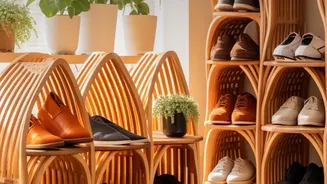
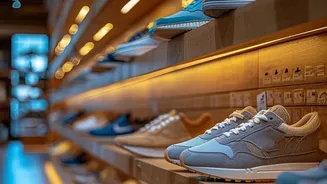
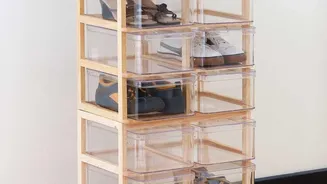
This is where the headline comes full circle. Your beautiful shoe cabinet or organised rack is only as good as the condition of the shoes you put in it. Storing shoes before they are completely dry is a recipe for disaster. Trapped moisture in a confined space like a shoe box or a crowded cabinet accelerates the growth of mould and odour-causing bacteria. Think of proper drying as the essential first step in the storage process. A shoe must be clean and, most importantly, thoroughly dry before it earns its place on the rack. A well-ventilated storage area is ideal, but even the best design cannot save a shoe that was put away damp.