

From Kitchen Scrap to Culinary Staple
In the quest to reduce food waste, the humble herb stem is an unsung hero. We often meticulously pick the leaves from cilantro (coriander) and parsley, leaving a pile of stems destined for the bin. But here’s a secret savvy cooks know: those stems are
packed with flavour. In fact, cilantro stems are often considered even more potent and aromatic than the leaves. By using them, you're not just being resourceful; you're unlocking a deeper, more robust flavour for your dishes. This root-to-leaf approach honours the entire plant and your budget, transforming what was once considered waste into a versatile and delicious condiment. This simple shift in perspective can revolutionise the way you see your kitchen leftovers, turning potential trash into a treasured ingredient.
The Basic Stem Pesto Formula
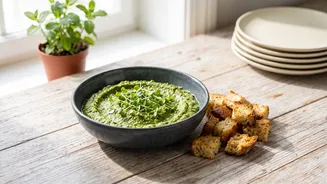
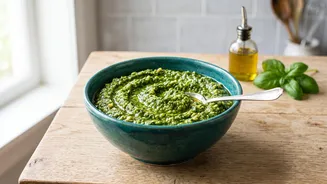
Making pesto from stems is incredibly simple and requires just a few basic ingredients and a food processor or blender. This base recipe is a great starting point for your culinary experiments. You'll need about one packed cup of roughly chopped cilantro and/or parsley stems. To this, add two to four cloves of garlic, depending on your preference. Next, add about half a cup of nuts or seeds—while traditional pesto uses pine nuts, cost-effective and delicious alternatives include walnuts, almonds, or even sunflower and pumpkin seeds for a nut-free option. Pour in about half a cup of good-quality extra virgin olive oil, a generous squeeze of lemon juice, and a pinch of salt and pepper. Blend all the ingredients until they form a relatively smooth paste. You can add more olive oil if the mixture seems too thick until it reaches your desired consistency. It's a forgiving process, so feel free to adjust the quantities to suit your taste.
Perfecting and Customising Your Pesto
Once you've mastered the basic recipe, the real fun begins. You can easily customise your pesto to create a signature flavour profile. For a classic cheesy taste without the dairy, try adding a couple of tablespoons of nutritional yeast. If you enjoy a bit of heat, a dash of red pepper flakes or a small fresh chilli can add a pleasant kick. While some find herb stems slightly more fibrous than the leaves, a thorough blend usually solves this. If you're using particularly tough or woody stems, you can blanch them in boiling water for a minute and then shock them in an ice bath before blending; this softens them and helps retain their vibrant green colour. Don't be afraid to mix and match your greens. Combining cilantro and parsley stems is a classic, but you can also incorporate other greens like spinach or arugula for different flavour dimensions.
More Than Just a Pasta Sauce
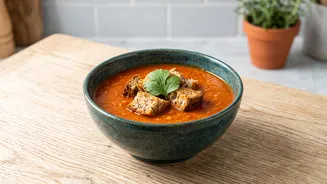
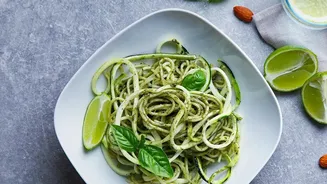
While tossing pesto with hot pasta is a timeless classic, its uses extend far beyond that. Think of it as a flavour-packed condiment that can elevate countless dishes. Spread it on sandwiches and wraps instead of mayonnaise for an instant gourmet upgrade. Dollop it onto grilled chicken, fish, or paneer for a burst of fresh, herbaceous flavour. Whisk it into a simple vinaigrette to create a vibrant salad dressing, or stir it into soups like minestrone for added depth and colour. It makes a fantastic base for pizza instead of traditional tomato sauce and can be swirled into scrambled eggs or mashed potatoes. You can even use it as a dip for fresh vegetables or a topping for bruschetta and crostini, making it a star player for appetisers and snacks.
Smart Storage for Lasting Flavour
To keep your homemade pesto fresh, proper storage is key. For short-term use, place it in an airtight container or jar. Pour a thin layer of olive oil over the surface before sealing the lid; this creates a barrier against oxygen, which helps prevent the pesto from browning and losing its flavour. Stored this way in the refrigerator, your pesto should last for up to a week. For longer-term storage, freezing is the best option. A great trick is to portion the pesto into an ice cube tray. Once the cubes are frozen solid, you can transfer them to a freezer-safe bag. This allows you to thaw small, convenient amounts as needed. For the best texture, some experts recommend leaving out any cheese if you plan to freeze the pesto and stirring it in after thawing.