




What Defines the New Luxury?
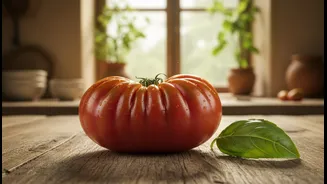
The new luxury isn't about price, but provenance. It champions foods with a distinct identity tied to a specific place, a concept the French call 'terroir'. This refers to how the unique combination of soil, climate, and local tradition shapes the taste
of a food. Think of it as the difference between a generic supermarket mango and a single-estate Alphonso from a particular farm in Ratnagiri, known for its specific coastal breeze. This trend moves beyond mass production to celebrate small-batch, artisanal products where the maker's hand and the ingredient's origin story are the main attractions. Consumers increasingly want to know where their food came from, making traceability and authenticity the new hallmarks of quality.
The Drive for Authenticity and Connection
Several factors are fueling this shift. Diners are moving away from standardised menus, seeking more meaningful and authentic experiences. There is a growing desire to support local economies and small producers, keeping money within the community. This is coupled with rising environmental consciousness; sourcing locally reduces the carbon footprint associated with transporting food over long distances. The hyperlocal movement, which focuses on ingredients from a specific locality or community, has become a powerful force. This isn't just a trend, but a movement to preserve indigenous food traditions, revive forgotten recipes, and celebrate India's immense culinary diversity.
Hyperlocal Flavours in India
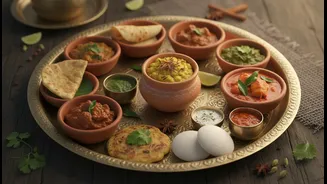
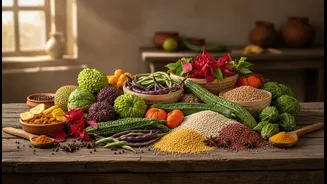
Across India, this trend is thriving. Chefs and home cooks are championing hyper-regional cuisines that go beyond broad labels like 'North Indian'. This includes celebrating the unique food traditions of smaller regions and communities, from Kodava cuisine in Karnataka to Mappila food from Kerala. We are seeing a revival of indigenous ingredients that were once disappearing. Examples include the Gondhoraj lemon from West Bengal, Manipur's black rice (Chak-hao), and Mahua flowers from Central India. Artisanal brands are also gaining prominence, offering everything from single-origin coffee from Coorg to handcrafted cheeses made with traditional methods, and chocolates featuring Indian fruits like jamun and sitaphal.
It's an Experience, Not Just a Product
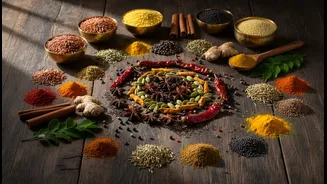
This new luxury extends beyond the ingredient itself to encompass the entire experience. It’s about the story behind the food—who grew it, what makes the region special, and the traditions involved in its preparation. This could mean dining at a restaurant where the chef foraged for wild greens that morning or buying spices from a women-led cooperative that preserves generations-old techniques. In an increasingly impersonal world, this connection to the food's origin and its producers provides a sense of participation and community. The value lies not just in eating, but in understanding and appreciating the journey from the farm to your plate.
The Price of Uniqueness
While this movement prioritises story over pure expense, scarcity and effort still command a premium. These products are often more expensive than their mass-produced counterparts because they are made in small batches by skilled artisans who may be preserving heritage techniques. The cost reflects the commitment to quality, sustainability, and fair compensation for producers. However, the 'price' is not just monetary. Accessing these foods requires knowledge, curiosity, and a willingness to seek out farmers' markets, specialty producers, or hyperlocal delivery platforms. The ultimate luxury, it seems, is no longer about flaunting wealth, but about cultivating a deeper, more conscious relationship with what we eat.