





In the constant rush of city life, balancing a demanding schedule with the desire for healthy, home-cooked food can feel impossible. But what if nutritious meals didn't require hours of prep? Enter the humble, yet powerful, world of millets.
The Modern Urban Dilemma
For many urban
professionals and busy families across India, the day is a race against the clock. Between long commutes, demanding jobs, and family responsibilities, the energy to prepare an elaborate, healthy meal is often in short supply. This time-scarcity frequently leads to a reliance on processed foods or expensive takeaways, compromising both health and budget. The intention to eat better is there, but the traditional cooking times for wholesome grains like brown rice or even some conventional millets can be a significant barrier. This is where a new appreciation for specific, fast-cooking millets is changing the game, offering a practical solution to this very modern problem.
Meet the Fast-Cooking Super Grains
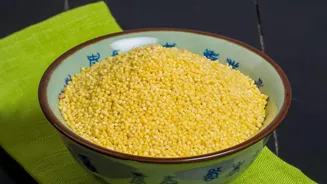
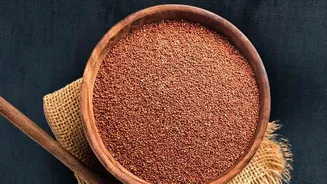
Not all millets are created equal, especially when it comes to cooking time. While some varieties require extensive soaking and slow cooking, others are remarkably quick. Varieties like barnyard millet (sanwa), foxtail millet (kangni/thinai), and little millet (kutki) are gaining popularity for their convenience. Barnyard millet can be ready in as little as 12-15 minutes, cooking even faster than white rice. Foxtail and little millet typically cook in about 15-20 minutes. This speed is a game-changer, transforming millet from a weekend project into a viable weeknight staple. These grains fit seamlessly into packed schedules, making it possible to whip up a nutritious meal like an upma or pulao in under 30 minutes.
A Nutritional Powerhouse in Minutes
The convenience of these millets doesn't come at the cost of nutrition. In fact, they are packed with health benefits. Millets are naturally gluten-free, making them an excellent choice for those with sensitivities. They are rich in dietary fibre, which aids digestion, promotes a feeling of fullness, and can help with weight management. Many varieties, like foxtail and proso millet, are loaded with essential minerals like iron, magnesium, and phosphorus. Furthermore, their low glycemic index helps in managing blood sugar levels, making them a fantastic option for diabetics. Consuming these grains means you're not just saving time; you're also investing in your long-term health, supporting everything from heart health to bone strength.
The Secret to Speed: Soaking
One of the most effective ways to make any millet cook faster and more evenly is a simple, traditional step: soaking. While it might sound counterintuitive to add a step to save time, even a quick 30 minute soak can reduce cooking time by 20–30%. Soaking helps soften the grain's tough outer layer, allowing water to penetrate more easily during cooking. This not only speeds up the process but also improves the final texture, resulting in fluffier, more distinct grains. Soaking also has a key nutritional benefit: it helps break down anti–nutrients like phytic acid, which can block your body's ability to absorb essential minerals. For those who are organised, an overnight soak means most millets will cook in just 10–15 minutes.
Easy Ways to Get Started
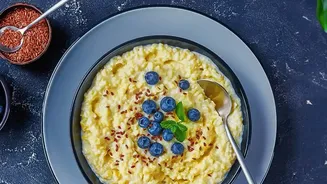
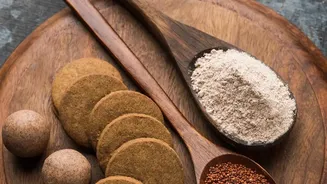
Incorporating quick–cooking millets into your diet is surprisingly simple. You can use them as a direct substitute for rice in almost any dish. Barnyard millet, with its neutral taste and fluffy texture, is perfect for a quick khichdi or lemon rice. Foxtail millet works wonderfully in upma; simply roast the grains lightly, then simmer with sautéed vegetables and spices for a flavourful breakfast. Little millet makes an excellent base for a light and refreshing salad, tossed with cucumber, tomatoes, and a simple vinaigrette. For an even faster option, millet flakes (poha) can be prepared in minutes, offering a wholesome alternative to rice–based flakes. These versatile grains adapt to the flavours you already love, making the transition effortless and delicious.