


Balsam (Gulmehndi)
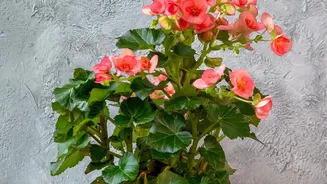
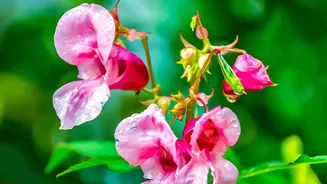
A quintessential monsoon flower in India, Balsam is incredibly easy to grow and rewards you with a profusion of colour. Its delicate flowers, which resemble small roses, bloom in shades of pink, red, purple, and white. Often called 'Touch-Me-Not' because
its ripe seed pods burst when touched, it’s a delightful addition to any balcony. Balsam loves the humid and warm conditions of the Indian monsoon. Plant the seeds at the start of the rains in well-drained soil, and you can expect blooms within six to eight weeks. They thrive in pots and require about four to six hours of sunlight.
Zinnia
If you want a guaranteed explosion of colour, look no further than Zinnias. These sturdy flowers come in nearly every hue imaginable and bloom prolifically. They are fast-growing and perform exceptionally well in the monsoon, though they appreciate full sun. Good air circulation is key to preventing fungal issues like powdery mildew, which can be common in humid weather, so don't overcrowd your pots. Water the base of the plant rather than the leaves. With regular deadheading, Zinnias will continue to produce their cheerful, daisy-like flowers right through the season, attracting butterflies to your balcony.
Marigold (Genda)
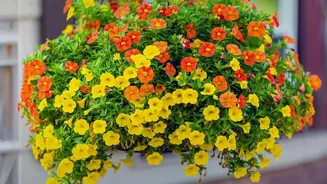
A staple in Indian households for festive occasions, the humble Marigold is also a fantastic monsoon plant. Its bright orange and yellow pom-pom-like flowers can brighten up even the dullest of rainy days. Marigolds are hardy and relatively low-maintenance. While they love the sun, they can tolerate the monsoon rains well, provided they are in well-draining soil to prevent root rot. In fact, some varieties bloom even more profusely during this time. Be sure to remove any flowers that become mushy from excessive rain to encourage new growth and keep the plant healthy.
Periwinkle (Vinca)
Known as Sadabahar, which means 'always in bloom', the Periwinkle lives up to its name. This is one of the most reliable and low-care plants for Indian conditions. It tolerates heat, humidity, and heavy rain with ease, making it a perfect choice for beginner gardeners. The glossy green leaves and simple, star-shaped flowers in shades of pink, white, and lavender provide continuous colour. They do well in pots and require minimal attention, blooming happily through the monsoon and beyond.
Rain Lily
As the name suggests, this plant is a true child of the monsoon. Rain Lily bulbs often lie dormant during the dry months and then, as if by magic, send up delicate, beautiful flowers almost overnight after the first few showers. Available in white, pink, and yellow, they are incredibly low-maintenance and perfect for balcony pots and borders. Plant the bulbs just before the monsoon begins, and let the rain do the rest. Seeing them pop up after a downpour is one of the simple joys of a monsoon garden.
Essential Monsoon Care Tips
Gardening in the monsoon comes with its own set of rules. The number one rule is to ensure excellent drainage. Excess water is the biggest enemy, leading to root rot. Make sure every pot has drainage holes and is not sitting in a saucer full of water. It’s also wise to check the soil before watering; the rain might be doing the job for you. High humidity can encourage pests and fungal growth, so ensure good air circulation between plants. A preventive spray of neem oil solution can be very effective. Finally, trim any dead or yellowing leaves to keep your plants healthy and looking their best.