




From Green Decor to Living Ecosystem
For years, the goal of balcony gardening was simple: create a beautiful, green extension of our living space. We chose plants for their visual appeal, their fragrance, or perhaps for a small harvest of herbs. While the joy of a beautiful balcony remains,
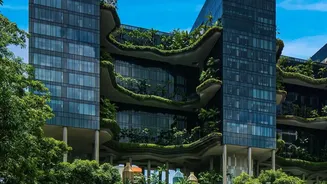
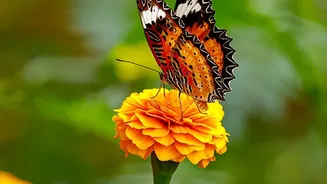
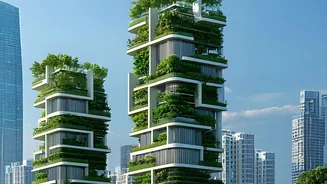
there's a growing movement to think bigger. Urban biodiversity is about increasing the variety of life—plants, insects, and birds—within our cities. In environments dominated by concrete and asphalt, natural habitats are scarce. This is where your balcony comes in. By making conscious choices, you can turn a few pots and planters into a functioning mini-ecosystem, a small but powerful act of ecological restoration.
Why Your Small Space Matters
It’s easy to think a small balcony can’t possibly make a difference, but science suggests otherwise. Cities can be 'green deserts' for pollinators like bees and butterflies, who struggle to find food and shelter. Balconies and terraces can act as crucial 'stepping stones' or 'wildlife corridors', allowing these species to move, feed, and survive in the urban landscape. Studies have shown that urban gardens, regardless of size, can have surprisingly high floral diversity and become hotspots for pollinator activity. Your small collection of plants contributes to a larger network of green spaces, helping to cool the air, improve your well-being, and create a more resilient city.
Choose Plants with Purpose
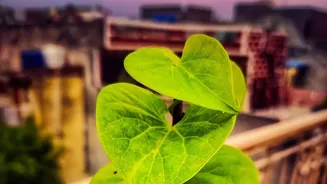
The single most effective step is to choose native plants. These are species that have evolved in your local region and are therefore perfectly adapted to the climate and, most importantly, to the local wildlife. They provide the right kind of nectar, pollen, and leaves that native insects and birds depend on. For Indian balconies, consider vibrant and hardy natives like Aparajita (Butterfly Pea), Parijat (Night-flowering Jasmine), various types of Hibiscus, and Mogra. These plants not only look beautiful but serve a critical ecological function. To provide a year-round food supply for pollinators, try to plant a variety of species that bloom in different seasons. Even a few well-chosen pots can become a reliable refueling station.
Create a Welcoming Habitat
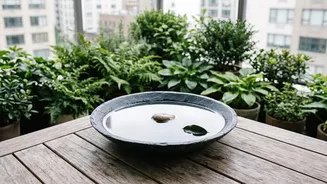
Beyond plants, you can make your balcony even more inviting to wildlife. One of the simplest additions is a shallow dish of water with a few stones or pebbles inside. This serves as a safe drinking spot and a 'bee bath' for thirsty pollinators. Avoid chemical pesticides at all costs. These chemicals can harm the very creatures you're trying to attract and the birds that might feed on them. You can also add elements of shelter. A small pile of twigs or a 'bug hotel' can provide nooks and crannies for beneficial insects like ladybirds and solitary bees to nest and hibernate. Allowing some leaf litter to accumulate in your pots can also offer critical shelter for insects completing their life cycle.
The Ripple Effect of a Single Balcony
The benefits extend beyond the wildlife. Engaging with your balcony ecosystem offers a direct connection to nature, which has been shown to improve mental health and reduce stress. It’s a therapeutic activity that allows you to observe the small, fascinating dramas of the natural world from your own home. When you cultivate a biodiverse balcony, you're not just decorating; you are actively participating in a collective effort to make our cities healthier and more sustainable. Every balcony that becomes a habitat contributes to a larger, more connected urban ecosystem, demonstrating that individual actions, when multiplied across a community, can lead to significant positive change.