





First, What Are the Proposed BS-VII Norms?
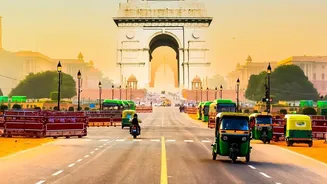
Bharat Stage Emission Standards are government-instituted norms to regulate pollutants from vehicle engines. Think of them as generational upgrades for cleaner air. India leapfrogged from BS-IV to BS-VI in 2020, leading to significantly cleaner vehicles.
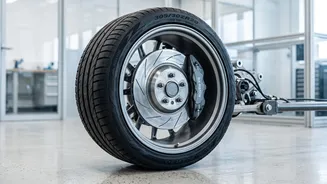
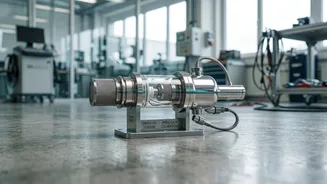
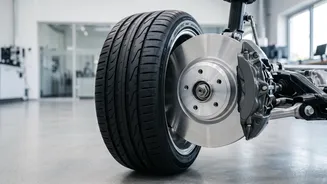
Now, the government has introduced a draft for the next level, BS-VII. For the first time, these proposed rules look beyond just tailpipe exhaust. They aim to regulate pollution from brake dust and tyre wear, which release particles even from electric vehicles. They also include standards for the durability of EV batteries and mandate more robust, real-world emissions testing to ensure cars stay clean throughout their life on the road, not just in a lab.
The Meaning of 'Proposed': An Idea on Paper
When a regulation like BS-VII is 'proposed' or in 'draft' form, it means the government has formally announced its intentions but the rules are not yet law. The Ministry of Road Transport and Highways (MoRTH) recently published a draft notification outlining the BS-VII standards. This is a critical stage in the regulatory lifecycle. It serves as an official signal to the public, automakers, and other stakeholders about the direction of future policy. Essentially, it's a detailed plan put out for everyone to see and react to before it becomes a binding obligation. It is not yet an 'effective' or final rule.
The Journey from Proposed to Effective
The transition from a 'proposed' draft to an 'effective' rule follows a well-defined democratic process. After publishing a draft notification, the government invites objections and suggestions from the public for a specific period, typically 30 days. This is the consultation phase, where industry bodies, environmental groups, and citizens can provide feedback. They might point out technical challenges, suggest timeline adjustments, or highlight potential economic impacts. The government is meant to consider this feedback before finalising the rules. Once all suggestions are reviewed and any necessary amendments are made, the final rules are published in the official Gazette of India. Only then do they become legally binding and 'effective' from the specified implementation date.
Why This Distinction Is Crucial
The gap between proposed and effective is where preparation happens. For automakers, the draft notification is a clear signal to start planning. They must invest in research and development to upgrade engines, onboard diagnostics, and other technologies to meet the stricter standards. The phased rollout—starting with passenger cars in April 2029, commercial vehicles in 2030, and heavy vehicles in 2031—gives them a long-term roadmap for this investment. For consumers, it means that the cars you buy today are not affected. The BS-VII norms will only apply to vehicles manufactured after the implementation dates. However, it does give a glimpse into the future, where vehicles will be cleaner but potentially more technologically complex. It also means the final details, including any impact on vehicle prices, are not yet set in stone and could change based on industry feedback.
What Happens Next with BS-VII?
With the draft published in October 2026, the 30-day window for public feedback is now active. After this period, the Ministry will consolidate the input and move toward finalising the amendments to the Central Motor Vehicles Rules. The proposed timeline is a phased one, with the first set of rules for new passenger cars slated to become effective from April 1, 2029. Further phases in 2031 and 2035 will introduce the regulations for brake and tyre emissions. Until a final notification is gazetted, these dates and requirements remain a proposal, albeit a very serious one that is guiding the future of India's auto industry and its environmental goals.