







Step 1: Wash and Dry Immediately
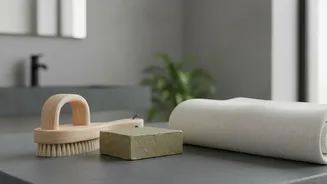
The moment you get home, your first priority is to wash your feet thoroughly. Use a mild soap or antiseptic wash and clean water, paying close attention to the spaces between your toes and around the nails where moisture and germs love to hide. Once clean,
drying is the most critical step. Pat your feet completely dry with a clean towel. Trapped moisture is the primary cause of fungal infections like Athlete's Foot, so ensure every nook is moisture-free.
Step 2: Inspect for Cuts and Abrasions
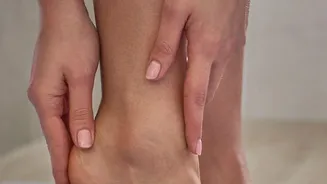
Floodwater can hide sharp objects like glass or stones, which can cause minor cuts. Carefully check your feet for any new wounds, scratches, or blisters. Even a small break in the skin can become an entry point for dangerous bacteria from contaminated water. If you find any cuts, clean them immediately with an antiseptic liquid and cover them with a waterproof bandage to keep them protected.
Step 3: Apply Antifungal Powder
As a preventive measure, especially if your feet tend to sweat, sprinkle on some antifungal powder. This helps absorb any residual moisture and creates an inhospitable environment for fungal growth. Focus on dusting the powder between your toes and on the soles of your feet. This simple step provides an extra layer of defence against common monsoon infections like Athlete's foot, which causes itching, scaling, and burning sensations.
Step 4: Soothe and Moisturise (Carefully)
While keeping feet dry is key, you don't want your skin to become so dry that it cracks, creating new entry points for infection. Apply a good moisturising lotion to the heels and soles of your feet. However, avoid applying cream between your toes, as this can trap moisture and defeat the purpose of drying them. A weekly foot soak in warm water with salt or a few drops of tea tree oil can also help kill bacteria and soothe tired feet.
Step 5: Let Your Footwear Breathe
Never wear damp shoes or socks again the next day. Wet footwear is a breeding ground for fungi and bacteria. If your shoes got soaked, stuff them with newspaper to absorb moisture and let them air dry completely, preferably in sunlight if possible. It's a great practice to have at least two pairs of everyday footwear during the monsoon, allowing you to alternate between them and ensure you always step into a dry pair.
Step 6: Know the Red Flags
Fungal infections often start with mild symptoms like itching, redness, peeling skin, or a persistent unpleasant odour. More serious concerns include leptospirosis, a bacterial infection transmitted through water contaminated with animal urine, which can cause fever, headaches, and muscle pain. If you notice persistent itching, swelling, pus, cracked skin that won't heal, or develop a fever after wading through floodwater, it's time to see a doctor.