



The End of the Annual Escape
For decades, the holiday script was familiar: save up leave, plan for months, and take one big trip a year. Today, that model is being rewritten by young Indians, particularly Gen Z. Recent reports show a decisive shift, with seven in ten young travellers
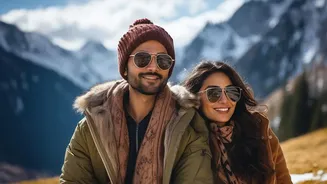
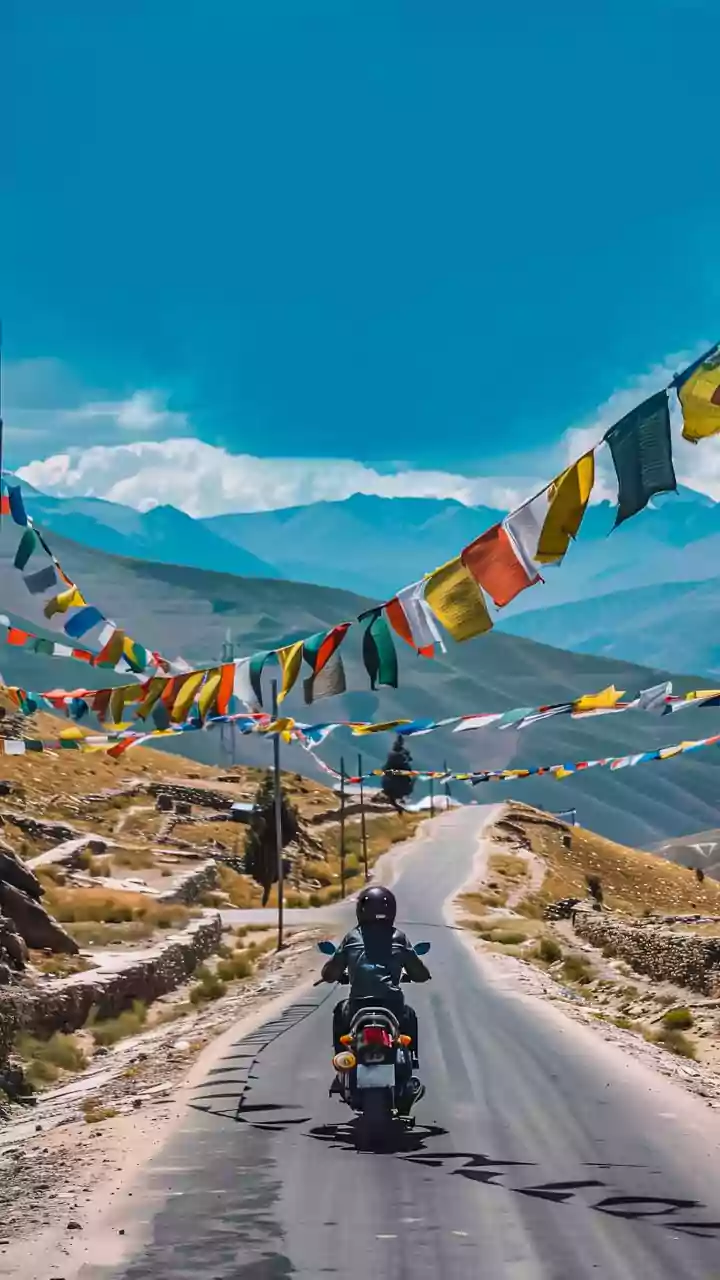
now preferring to take multiple short trips over one long holiday. This move towards 'micro-cations'—trips lasting between two and six nights—is transforming travel from a rare event into a regular habit. Data shows that 87% of Gen Z travellers prefer trips that last under a week. This isn't just about taking more holidays; it's a fundamental change in how travel fits into their lives, becoming a reflexive response to a free weekend or a bout of burnout rather than a distant event on the calendar.
Driven by Burnout and a Need to Recharge
A primary driver of this trend is the demanding nature of modern work culture. The constant pressure and mental exhaustion of fast-paced professional lives have made short, regular breaks a necessity for mental wellbeing. Experts suggest that taking small breaks every few weeks can be more effective at preventing stress than one long vacation. For many, a quick getaway is a release valve for the pressures of city life. The rise of hybrid and remote work has also been a major catalyst. This flexibility allows young professionals to blend work and travel, creating 'workations' where they can escape their routine without dipping into their limited annual leave. This makes it possible to work from a scenic location, using evenings and weekends to explore.
Experience Over Everything
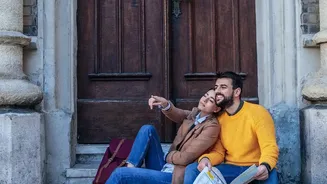
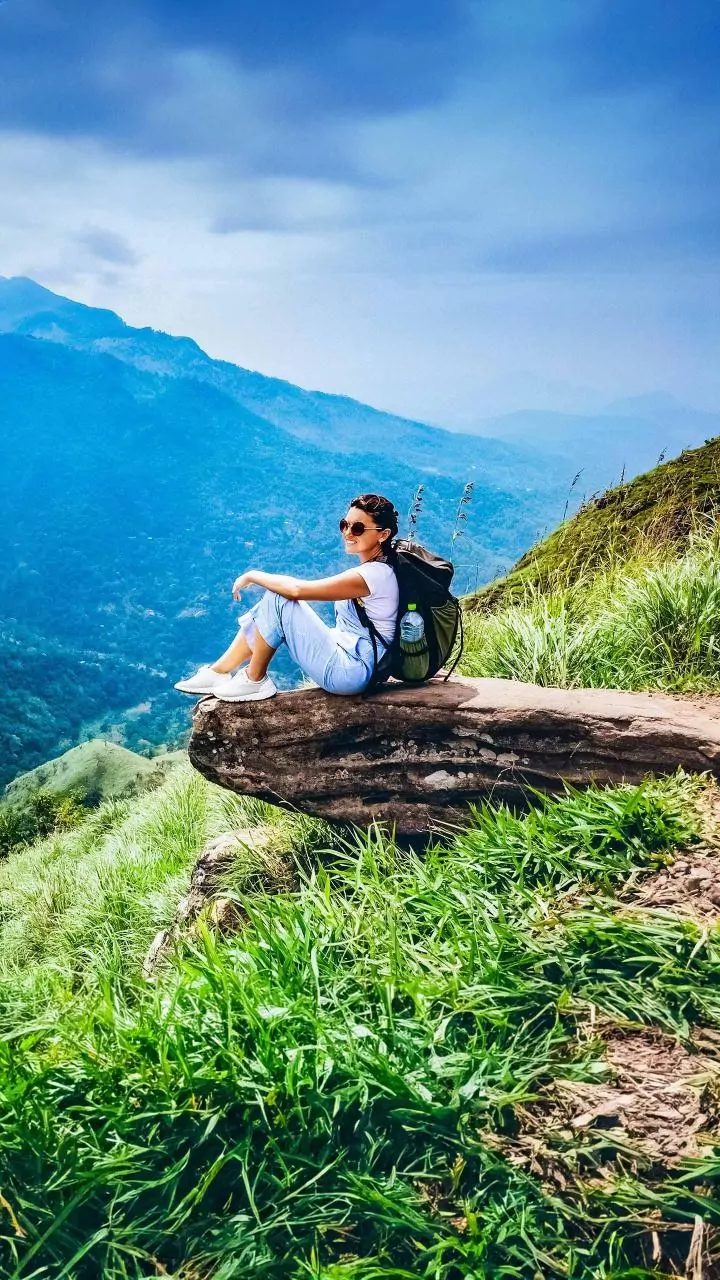
For this new wave of travellers, the 'why' of a trip is often more important than the 'where'. It's less about ticking landmarks off a list and more about the experience itself. According to one report, experiences like exploring different cultures and outdoor activities are primary motivators for travel. This has given rise to the 'why-cation'—a trip sparked by a mood or a need, whether it's for relaxation, adventure, or culinary exploration. In fact, 95% of young travellers want their journeys to feel personal and unique, actively avoiding viral hotspots in favour of undiscovered places. This desire for authenticity means they value small, personal moments on a trip far more than famous attractions.
The Digital Influence
Social media platforms, especially Instagram and YouTube, have become powerful tools for travel inspiration, profoundly shaping the decisions of young Indians. Visually rich content created by travel influencers and other users often sparks the desire to explore new destinations. However, the relationship is complex. While social media introduces them to new places, many young travellers are also seeking destinations that haven't been overexposed online. The planning process itself has also gone digital, with many using online resources to research and book their own trips, reflecting a desire for independence. User-generated content like reviews and photos is often trusted more than promotional material from travel agencies.
The Logistics of a Micro-Trip
The rise of the short trip has been made possible by significant improvements in infrastructure and affordability. Better road networks, budget airlines, and a proliferation of booking platforms have put many destinations within easy reach for a weekend. The average domestic trip now lasts just a few nights, with a large share of bookings made spontaneously within days or even hours of departure. Accommodation choices also reflect this shift. Instead of traditional hotels, many young travellers, especially in groups, prefer shared homes or boutique stays that offer a more personal and communal experience. A significant number even choose a destination specifically because of a unique stay they discovered, prioritising the quality of their accommodation as central to the trip itself.