


The Monsoon Gardening Opportunity
While many gardeners pause during heavy rains, August is a surprisingly active planting month. The combination of humidity, natural watering, and warm temperatures can accelerate germination and growth for many crops. The key isn't to avoid the monsoon,
but to work with it. Success hinges on selecting the right plants and, more importantly, managing the unique environmental conditions of this season. Your goal is to balance the free watering from the skies with protection from its potential excesses, like waterlogging and lack of sun.
Strategy 1: Managing Rainfall
The single biggest challenge during monsoon gardening is managing water. Too much rain can be more dangerous than too little. Waterlogged soil suffocates roots, leading to rot and fungal diseases. Don't stick to a rigid watering schedule; instead, check the soil first. If the top inch is dry, it might be time to water, but often, the rain does the job for you. For plants in containers, especially those on balconies, consider moving them under an overhang during prolonged heavy downpours to prevent them from becoming completely saturated. A simple rain gauge can help you track how much water your garden is actually receiving, preventing you from overwatering.
Strategy 2: Prioritising Drainage
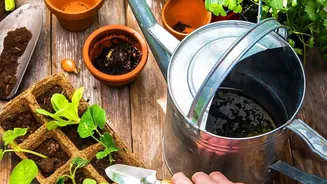
Excellent drainage is non-negotiable for a successful monsoon garden. If roots sit in stagnant water, they will rot. For container gardening, ensure every pot has clear, unobstructed drainage holes at the bottom. Elevating pots on bricks or stands is a simple but highly effective trick to improve airflow and ensure excess water can escape freely. When preparing your soil mix, make it light and airy. A good mix for the monsoon season often includes garden soil, compost, and a material like cocopeat or perlite to keep it from becoming compacted and sticky. Raised garden beds serve the same purpose in a larger garden, lifting the root zone above the waterlogged ground level.
Strategy 3: Chasing Sunlight
With overcast skies being a common feature of August, sunlight becomes a precious resource. Most fruiting vegetables, like tomatoes, chillies, and gourds, require at least five to seven hours of direct sunlight to produce a good harvest. Observe your garden space to identify the spots that receive the most direct sun, especially the valuable morning light, which helps dry off leaves and reduce fungal risk. If you have a shadier balcony, don't despair. Leafy greens such as spinach and coriander, along with herbs like mint, can manage with less light, around four to five hours a day. Choosing the right plant for the right spot is crucial during this cloudy month.
Best Vegetables to Plant in August
With the core principles in mind, you can confidently sow a variety of vegetables. Okra (Bhindi) is a monsoon superstar, thriving in warm, humid conditions. Many gourds, including bottle gourd (lauki) and bitter gourd (karela), also grow vigorously this month. Beans and cluster beans (gwar) are fast-growing and easy for beginners. You can also plant tomatoes, chillies, and brinjal, provided you can ensure good sunlight. For quicker rewards, radishes are an excellent choice as they can be ready to harvest in just a few weeks. Leafy greens like spinach (palak) and amaranth (chaulai) are also great options.
Flowers That Flourish in August
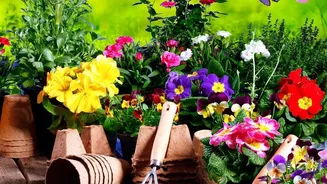
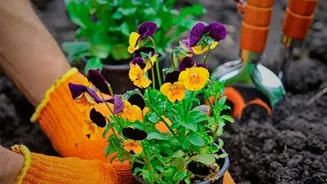
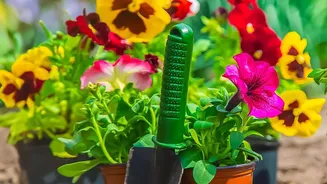
August is also an excellent time to add colour to your garden. Marigolds (Genda) are particularly well-suited, as sowing in August can lead to blooms that time perfectly with the festive season ahead. Zinnias and Cosmos are other fantastic choices; they are heat-tolerant, grow quickly from seed, and produce vibrant flowers that attract butterflies. Balsam, also known as Gulmehandi, is another monsoon favourite that thrives in the humid weather and adds a splash of colour to pots and garden beds.