





The Korean Wave and Its Philosophy
For years, the Indian beauty market has been captivated by the Hallyu, or Korean Wave. The allure of K-Beauty isn't just about trendy packaging; it’s a philosophy rooted in prevention, hydration, and meticulous layering. Concepts like the 10-step routine,
“glass skin,” and star ingredients such as snail mucin and propolis have become mainstream, driven by the global popularity of K-dramas and K-pop. This movement shifted the focus from merely “fixing” skin problems to nurturing and protecting the skin barrier for long-term health. Indian consumers, especially Gen Z, quickly embraced this ingredient-focused approach, seeking out gentle, effective formulations like hydrating toners, essences, and serums.
A Desi Twist on a Global Trend
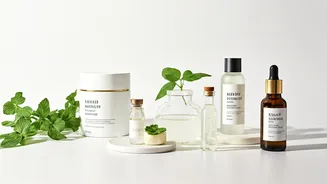
While the love for K-Beauty continues to grow, a counter-current of cultural pride and a desire for authenticity is inspiring a change. Instead of simply importing Korean products, savvy Indian brands are creating a hybrid model. They are adopting the sophisticated, lightweight textures and multi-step rituals of K-Beauty but powering them with potent, familiar ingredients from India's own 5,000-year-old system of Ayurveda. This fusion resonates deeply with a new generation of consumers who want products that are both globally innovative and culturally rooted. It addresses a practical need, too, offering formulations that are often better suited to Indian climates and skin types while tapping into the trust associated with time-tested Ayurvedic remedies.
The Great Ingredient Exchange
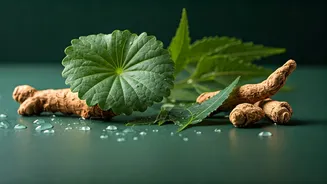
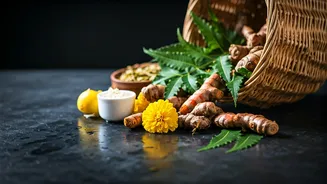
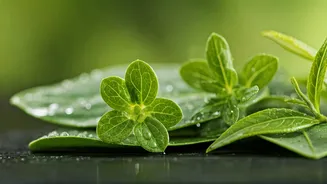
At the heart of this trend is the intelligent substitution of popular Korean botanicals with powerful Indian alternatives. One of the most prominent examples is the comparison between Ginseng and Ashwagandha. Korean Red Ginseng is famed for its energizing and collagen-boosting properties. Indian brands are turning to Ashwagandha, often called “Indian Ginseng,” a revered adaptogen in Ayurveda. While ginseng is known as a performance enhancer, ashwagandha is celebrated for its calming and restorative qualities, helping the body combat stress and supporting overall wellbeing. Another star K-Beauty ingredient is Centella Asiatica, or Cica, known for its soothing and wound-healing abilities. Interestingly, this herb is also native to India, where it is known as Gotu Kola and has been used for centuries. Indian brands are now reclaiming this ingredient, alongside other powerful anti-inflammatories like Turmeric (Haldi) and Neem, to create calming formulations that rival their Korean counterparts.
Reimagining Traditional Remedies
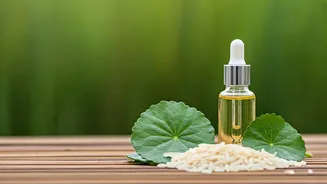
This trend isn't just about swapping one plant for another; it's about reimagining how traditional ingredients are delivered. Rice water, a staple in K-Beauty for achieving a bright, even complexion, is a perfect example. The starchy water left over from washing rice has been a household beauty secret in India for generations. Now, instead of being a simple home rinse, Indian brands are formulating it into modern, elegant products like toners and serums, often pairing it with scientifically-backed actives like niacinamide. Similarly, the classic Haldi ubtan (turmeric paste) is being transformed from a kitchen concoction into sophisticated, non-staining brightening serums and masks that offer the same benefits in a more convenient and cosmetically elegant format.
The Future is Fusion Beauty
This burgeoning movement signals a maturation of the Indian beauty industry. It shows an ability to not just follow global trends but to adapt, innovate, and create something new. This fusion of Korean technological precision with the holistic wisdom of Ayurveda provides consumers with the best of both worlds: gentle yet effective products that feel both modern and deeply familiar. It’s a celebration of heritage in a contemporary package, proving that the future of skincare in India may not be about choosing between Seoul and Ayurveda, but about embracing the power of both.