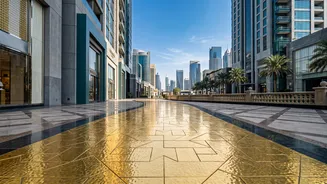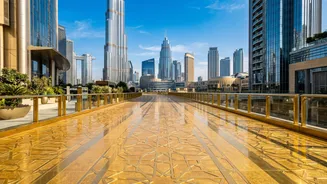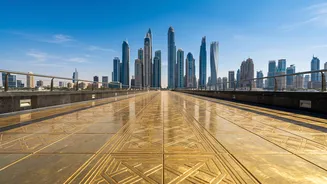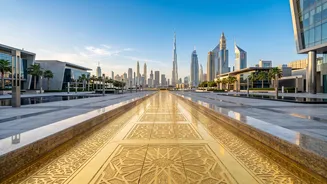



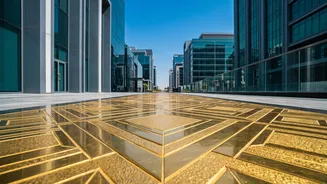
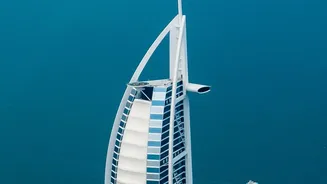
A walkway paved with 24-carat gold. It sounds like a myth, but in a city that has built its reputation on jaw-dropping ambition, it feels surprisingly plausible. This is the story of a potential new landmark in Dubai.
From Rumour to Reality?
In the world of hyper-ambitious urban
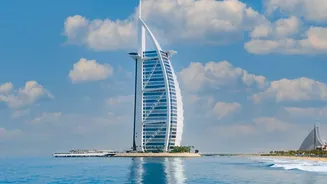
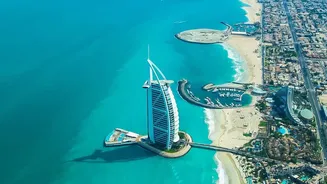
development, few names command as much attention as Dubai. The city is a living portfolio of architectural superlatives. So, when whispers of a 24-carat gold walkway emerge, the world doesn't dismiss it; it asks, 'Where will it be?' While there is no official confirmation of a large-scale public footpath being paved with solid gold, the concept is far from baseless in a city that has consistently turned fantasy into concrete, steel, and glass reality. The idea itself taps directly into the DNA of Dubai's global brand. For years, luxury developers in the region have incorporated precious materials and over-the-top features into exclusive projects, from gold-plated fixtures in penthouses to lobbies adorned with jewels. A dedicated golden walkway feels like the next logical, headline-grabbing step in this ongoing pursuit of the extraordinary.
A City Built on 'World's Firsts'
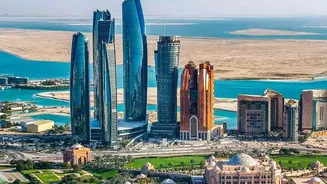
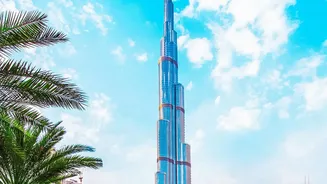
To understand the allure of a golden walkway, one must look at Dubai's history. The city's strategy for attracting global attention has long been anchored in creating structures that are bigger, taller, and more audacious than anywhere else on Earth. It’s a blueprint that has been executed with remarkable success. The Burj Khalifa didn't just break the record for the world's tallest building; it redefined the Dubai skyline and became an instant global icon. The Palm Jumeirah, an artificial archipelago visible from space, demonstrated an unparalleled level of engineering and ambition. More recently, the Museum of the Future, with its striking calligraphic facade, was designed not just to hold exhibits but to be an exhibit itself—a statement about the nation's vision. These projects are more than just infrastructure; they are powerful marketing tools that have cemented Dubai's status as a premier destination for tourism and investment. A gold-paved path would be another chapter in this well-established playbook.
The Psychology of Spectacle
Why invest in such extravagant projects? The answer lies in the psychology of modern tourism and branding. In an age of social media, destinations are in a fierce competition for visibility. A unique, 'Instagrammable' landmark provides a constant stream of free, user-generated publicity. Tourists are no longer just visiting a place; they are collecting experiences and sharing them online. A 24-carat gold walkway would be the ultimate photo opportunity, a viral sensation waiting to happen. Beyond tourism, these projects serve a deeper purpose. They are a declaration of intent, signalling to the world that Dubai is a hub of innovation, wealth, and limitless possibility. This narrative helps attract top talent, global corporations, and high-net-worth individuals, fuelling a cycle of growth and further development. The spectacle is the strategy.
The Enduring Allure of Gold
The choice of gold is particularly symbolic. For centuries, it has been the ultimate measure of wealth and prestige. In Dubai, this connection is deeply embedded in the local culture and economy. The city is home to the famous Gold Souk, a dazzling market where hundreds of retailers sell intricate jewellery by the kilogram. It's a place where you can find everything from delicate earrings to elaborate 20st kg gold necklaces. Dubai has also been home to goldndispensing ATMs and cafes that serve cappuccinos sprinkled with gold flakes. Using gold as a building material for a publicly facing landmark would leverage this existing identity, transforming a cultural touchstone into a modern architectural marvel. It reinforces the 'City of Gold' moniker in the most literal way possible, creating a powerful link between its trading past and its futuristic ambitions.