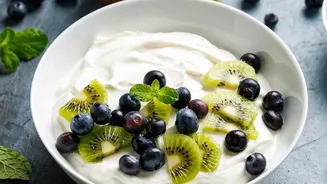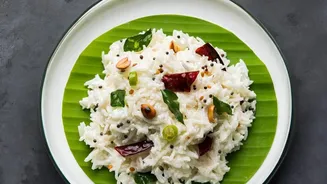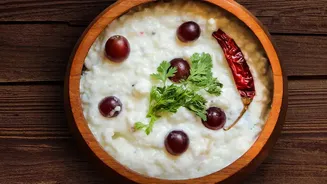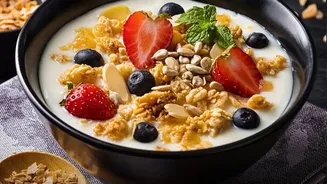



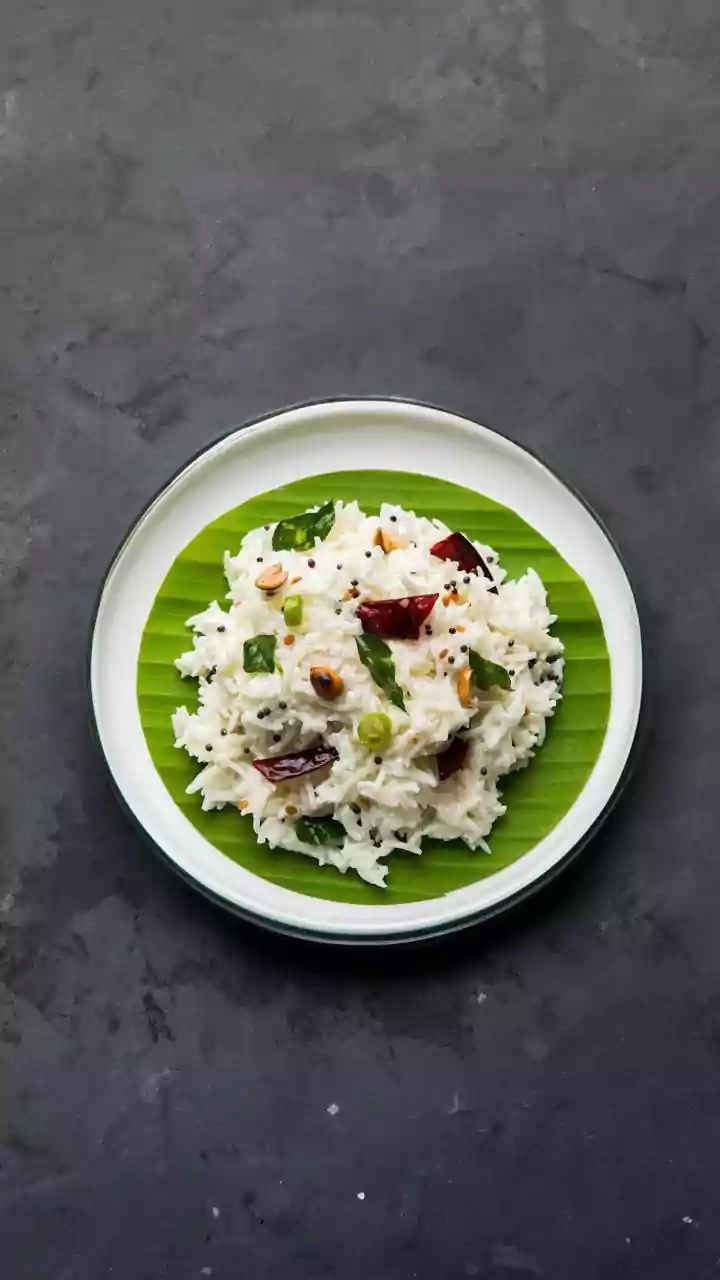
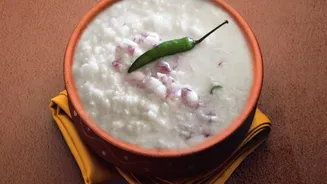
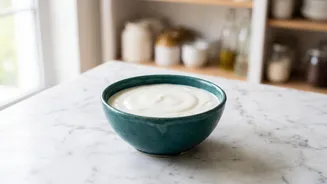
As winter arrives, a familiar debate enters Indian kitchens: is it safe to eat curd? This beloved staple is packed with nutrients, yet many worry it causes colds. Here’s a look at the science and tradition to help you decide.
The Great Winter Curd Debate
For generations, the belief
has been that eating curd, or dahi, during colder months can lead to coughs, colds, and a build-up of mucus. This advice is rooted in Ayurveda, which suggests that curd has properties that can aggravate the 'Kapha' dosha, especially during winter and at night. This dosha is associated with cold, heavy, and mucus-forming qualities. On the other hand, modern nutritionists and health experts point to curd as a superfood, rich in probiotics, vitamins, and minerals that are beneficial year-round, particularly for boosting immunity during flu season. This conflict leaves many wondering whether to keep their favourite side dish on the menu when the temperature drops.
A Nutritional Powerhouse for Winter Wellness
From a nutritional standpoint, curd is an undisputed champion. It is an excellent source of high-quality protein, calcium, phosphorus, and essential B vitamins like B12. Its most celebrated feature is its high concentration of probiotics, the 'good' bacteria that are crucial for maintaining a healthy gut. A robust gut microbiome is the cornerstone of a strong immune system. These beneficial bacteria can help the body fight off infections, reduce the severity of respiratory illnesses, and improve digestion, which can sometimes become sluggish in colder weather. Furthermore, the probiotics in curd have been linked to better cholesterol levels and blood pressure regulation. Some studies even suggest regular consumption can help with weight management.
Understanding the Ayurvedic Perspective
Ayurveda's caution against winter curd consumption isn't without reason; it's based on a holistic view of how food interacts with the body's energies, or doshas. According to Ayurvedic principles, curd is considered 'Kapha-Kar,' meaning it can increase Kapha in the body. During winter, a season already dominated by Kapha qualities (cold and damp), consuming curd—especially if it's cold or eaten at night—is believed to block channels in the body and lead to an increase in mucus secretion. This can potentially worsen symptoms for individuals who are already prone to respiratory issues like asthma, sinus problems, or frequent colds. Therefore, Ayurveda generally advises avoiding or limiting curd after sunset and during the coldest months to maintain balance.
How to Bridge Tradition and Modern Science
The good news is that you don't necessarily have to choose between ancient wisdom and modern nutrition. Many experts believe you can enjoy the benefits of curd in winter by making a few simple adjustments. The primary concern is often the temperature of the curd. Consuming it cold, straight from the refrigerator, may be what causes issues for some. Instead, it's recommended to eat curd at room temperature. The best time to have it is during the day, preferably with lunch, when digestive fire ('Agni') is at its strongest. Eating it before 5 p.m. is a common recommendation. You can also balance its 'cooling' nature by adding warming spices like roasted cumin powder, black pepper, or a bit of ginger, which also aid digestion.
Listen to Your Body: Personal Considerations
Ultimately, the decision to eat curd in winter is a personal one. There is no scientific evidence to prove that curd itself causes colds or coughs. However, individual responses to food can vary greatly. If you are prone to asthma, allergies, or sinus infections, you might find that consuming curd, particularly in the evening, aggravates your symptoms. In this case, it may be wise to limit your intake or avoid it when you feel under the weather. Pay attention to how your body reacts. If you feel congested or heavy after eating curd, it's a clear signal to cut back. Conversely, if you feel perfectly fine and enjoy its digestive benefits, there is no compelling medical reason to stop eating it.