







A New Generation Looks Up
The successful landing of Chandrayaan-3 in August 2023 wasn't just a technical achievement; it was a profound cultural moment. Millions of Indians, from bustling city centres to remote villages, tuned in to witness history. For an entire generation of young
people, this was their 'Apollo moment'—a powerful, real-time demonstration of what science and determination can achieve. This shared experience did more than just spark momentary patriotism; it planted a seed of curiosity. Schools across the country organised special screenings, and the images of ISRO scientists celebrating became iconic. This 'Chandrayaan effect' has created a powerful gravitational pull, drawing young minds towards the stars and, more importantly, towards the fields of science, technology, engineering, and mathematics (STEM) that make such feats possible.
From Classroom Curiosity to Career Paths
The inspiration is translating into tangible educational shifts. Engineering colleges and universities are reporting a surge in applications for aerospace engineering and related disciplines. But the impact starts much earlier. ISRO's own outreach initiatives, like the YUva VIgyani KAryakram (YUVIKA) programme, which introduces school students to space science, are now more popular than ever. These programmes demystify the complexities of space exploration, showing students that a career in this field is an attainable goal, not just a distant dream. Educators note a marked increase in student-led science projects focused on rocketry, satellite design, and astrophysics. This grassroots enthusiasm is creating a robust talent pipeline, ensuring that India's space ambitions will be sustained by a skilled and passionate workforce for decades to come.
Fueling India's Private Space Race
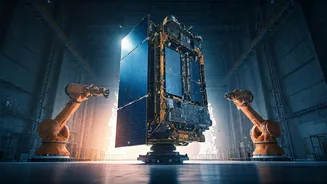
Inspiration isn't just for students; it's also for entrepreneurs. The last decade has seen a monumental shift in India's space sector, with the government actively opening doors for private companies. This has unleashed a wave of innovation, led by a new breed of innovators who grew up watching ISRO's successes. Startups like Skyroot Aerospace and Agnikul Cosmos, founded by young engineers, are now building and launching their own rockets. These companies are not just competing; they are creating a vibrant ecosystem, developing everything from satellite components to launch vehicles and data analytics services. They are attracting investment, creating high-tech jobs, and proving that India can be a global hub for space commerce. This synergy between the state-run ISRO and a dynamic private sector is a direct result of a culture that now sees space as a frontier of opportunity, not just a government mandate.
Innovation with Down-to-Earth Benefits
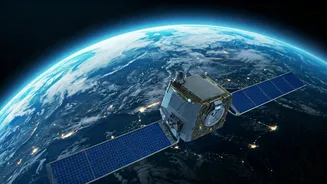
The drive to explore space has always produced technologies that transform life on Earth, and India is no exception. The innovators inspired by space exploration aren't just building rockets. They are solving terrestrial problems. The push for lighter, more durable materials for spacecraft leads to advancements in manufacturing and materials science. The need for precise navigation and communication spurs innovation in GPS and telecommunications. Satellite imagery, once a tool for spies and scientists, is now used by farmers to monitor crop health, by urban planners to manage city growth, and by disaster management teams to save lives during floods and cyclones. The challenges of space force innovators to think differently, creating solutions that have a powerful ripple effect across the entire economy, benefiting citizens in countless, often invisible, ways.