





Defining the Social-to-Menu Gap
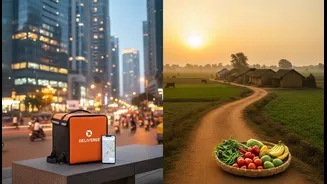
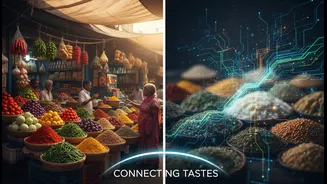
At its core, the social-to-menu gap is the disconnect between the food people are excited about online and the actual dishes available in restaurants. In India, a country with millions of active social media users and a vibrant food culture, this gap can
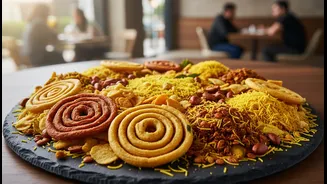
be significant. A food trend—like Dalgona coffee or a regional delicacy from a travel vlog—can explode in popularity overnight. Viewers see it, crave it, and start searching for it on delivery apps and local directories. However, restaurant menus are often static and slow to adapt. This delay between a spike in digital demand and its appearance on a physical menu is the opportunity that smart businesses are now targeting.
The Power of Social Search Data
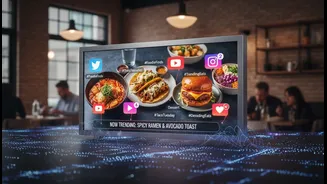
The first tool for closing this gap is social search data. This isn't just about counting likes; it's a deep analysis of what potential customers are looking for. Platforms like Instagram, YouTube, and even Google are rich sources of information. Analysts track trending hashtags (e.g., #MilletDosa, #ChettinadChicken), rising search queries on aggregator apps like Zomato and Swiggy, and the sentiment in comments on food influencer posts. For example, a sudden surge in searches for "Korean-inspired biryani" in cities like Mumbai and Bengaluru signals a clear, unmet demand. This data tells restaurateurs not just what is popular in general, but what is trending in their specific locality, allowing for highly targeted decision-making.
How Menu Tracking Completes the Picture
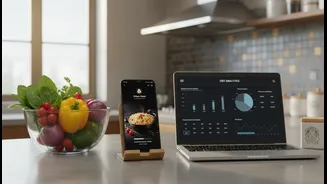
Social search data reveals demand, but menu tracking shows the supply. Specialised software and data analytics firms now systematically scan and digitise menus from thousands of restaurants listed on aggregator platforms and websites. This creates a comprehensive database of who is selling what, where, and at what price. By analysing this data, a restaurant owner can see how many competitors in a 5-kilometre radius are offering a specific dish, like a paneer ghee roast. This allows them to identify market saturation or, more importantly, a golden opportunity. If social data shows high demand for a dish that menu tracking reveals is rarely available, that is a clear signal to innovate.
Bridging the Gap: Data in Action
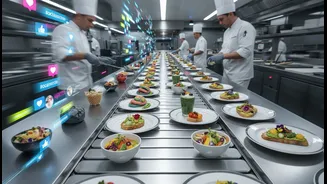
The real magic happens when these two data streams are combined. Imagine a cloud kitchen operator in Delhi. Social data shows a growing interest in healthy, protein-rich breakfast options. Simultaneously, menu tracking reveals that most nearby cafes focus on traditional parathas and chole bhature. Armed with this insight, the operator can confidently launch a new brand focused on high-protein moong dal cheelas and oat-based idlis, knowing a market already exists. This data-driven approach reduces the risk of launching new items, optimises pricing based on competitor analysis, and ensures marketing efforts are aimed at an already interested audience. Cloud kitchens, known for their agility, are particularly well-suited to capitalise on these fast-moving trends.
The Future of India's Food Scene
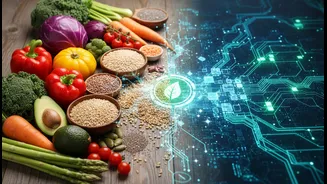
The use of social and menu data is making India's food industry more dynamic, responsive, and competitive. Restaurants are moving away from fixed, unchanging menus towards more flexible offerings that can be adapted seasonally or even weekly based on real-time trends. This can lead to greater culinary diversity, as forgotten regional recipes that trend online get a new lease of life. For consumers, it means their cravings are more likely to be met, with menus that feel fresh and relevant. As artificial intelligence and predictive analytics become more sophisticated, we can expect this process to become even faster, with kitchens potentially anticipating trends before they even peak.