





Dudhsagar Falls, Goa
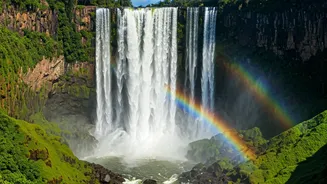
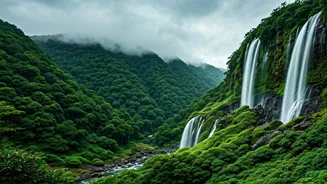
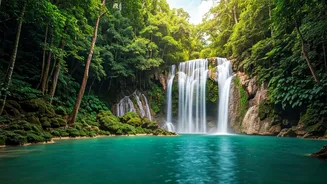
Meaning 'Sea of Milk', Dudhsagar Falls is a four-tiered spectacle on the Mandovi River, located on the border of Goa and Karnataka. During the monsoon, the falls are at their most powerful, creating a vision of white water thundering down a mountainside
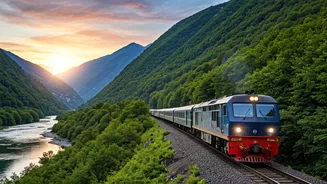
from a height of over 310 metres. The sight of a train crossing the bridge that runs in front of the cascade is iconic and has become a must-see for travellers. While jeep safaris to the base may be restricted during the peak monsoon due to safety concerns, the view from a passing train is an unforgettable experience in itself. The falls are nestled within the Bhagwan Mahavir Wildlife Sanctuary, and the journey through the dense, rain-washed forest is as enchanting as the destination.
Jog Falls, Karnataka
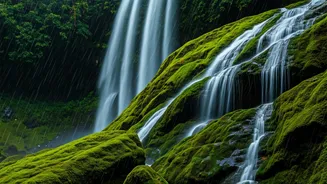
Located in the Shimoga district of Karnataka, Jog Falls is one of India's most famous waterfalls. It is created by the Sharavathi River, which plunges 253 metres (830 feet) down in four distinct cascades: Raja, Rani, Roarer, and Rocket. While a sight to behold year-round, the monsoon transforms it completely. The four separate streams merge into a single, colossal curtain of water, creating a thunderous roar and a spectacle of immense power. Viewing platforms offer panoramic vistas, though they can be shrouded in mist, adding to the atmospheric beauty. To see it in its absolute prime, visiting between August and September is often recommended when the rains have fed the river to its peak flow.
Athirappilly Falls, Kerala
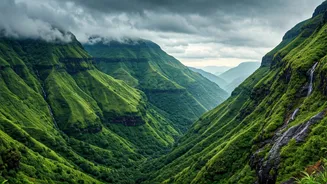
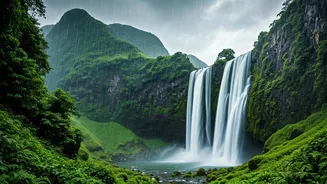
Often called the 'Niagara of India', Athirappilly Falls is the largest waterfall in Kerala, located on the Chalakudy River in the Thrissur district. While not exceptionally high at 80 feet, its immense width and volume during the monsoon are truly awe-inspiring. The water cascades down a wide rock face, surrounded by lush green forests that are part of the Western Ghats, a biodiversity hotspot. The monsoon season, from June to September, is when the falls are at their most powerful and majestic. The surrounding ecosystem also thrives during this time, making it a prime destination for spotting wildlife and enjoying the vibrant flora.
Nohkalikai Falls, Meghalaya
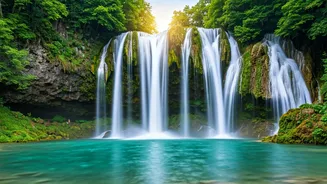
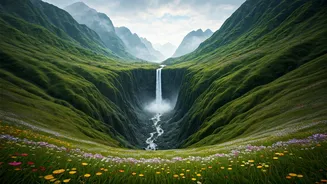
Situated near Cherrapunji, one of the wettest places on Earth, Nohkalikai Falls is India's tallest plunge waterfall, dropping from a staggering height of about 340 metres (1,115 feet). This single, uninterrupted cascade plunges into a deep pool whose waters shift between shades of turquoise and green. The name, which translates to 'Jump of Ka Likai', is tied to a tragic local legend. During the monsoon months, the waterfall is fed by constant rain, making it an incredibly powerful and dramatic sight. However, be prepared for clouds and mist, which can sometimes obscure the view, adding a sense of mystery to this magnificent natural wonder.
Dhuandhar Falls, Madhya Pradesh
The Dhuandhar Falls in Bhedaghat, near Jabalpur, offers a different kind of spectacle. Here, the mighty Narmada River narrows and plunges with such force that it creates a powerful, misty spray, earning it the name 'Smoke Cascade' (Dhuan meaning smoke, Dhar meaning flow). The falls are not known for their height but for their incredible volume and power, especially during the monsoon. Visitors can watch the roaring waters from viewing platforms or take a cable car for an aerial perspective. Boating through the serene marble rocks gorge nearby is a popular activity, though it may be restricted during periods of heavy water flow for safety. The ideal time to witness the falls at their peak strength is from July to September.