


An Antidote to Modern Burnout
For many young Indians, life is a high-pressure mix of demanding careers, academic stress, and the relentless hum of city life. It's no surprise that a significant number of Indian Gen Z and millennials report experiencing work-related burnout. In this
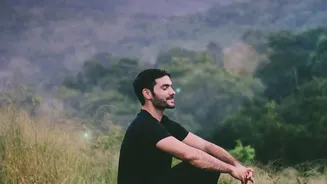
context, travel is no longer just about leisure; it's a form of maintenance. The old model of a holiday—rushing from one tourist spot to another—often left travellers feeling like they needed a vacation to recover from their vacation. Today's younger generation is actively seeking an escape from this cycle. They are choosing travel as a powerful tool for mental well-being, an opportunity to genuinely reset and recharge. This has led to a growing preference for slower destinations, wellness retreats, and nature-based experiences that offer a real break from daily pressures. The vacation itself is becoming the destination, with the goal being to disconnect and decompress, not just to see sights.
The Quest for Authentic Experiences
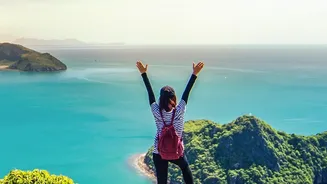
Gen Z travellers are increasingly motivated by a desire for authenticity over pre-packaged tourism. They are less interested in the ‘must-see’ monuments and more in what it feels like to live in a place. For this generation, a successful trip isn't measured by how many landmarks they’ve ticked off a list, but by the new insights and connections they've gained. This has fuelled a movement toward culture-first travel, where attending local festivals, exploring craft villages in Rajasthan, or simply learning about a destination's people are the main attractions. According to a recent report, 95% of Gen Z travellers want their trips to feel personal and unique. They are deliberately leaving parts of their itineraries unplanned to make room for spontaneity and discovery, trading luxury for authentic engagement. This is a generation that wants stories as much as sights, and they are willing to explore offbeat destinations to find them.
Redefining the 'Instagrammable' Moment
While social media remains a huge driver of travel inspiration for Gen Z, the kind of content they value is shifting. The era of the simple selfie at a crowded monument is giving way to a more curated aesthetic that romanticizes slowness and vibe. Think of soft mornings with chai on a haveli terrace, reading a book by the Kerala backwaters, or workation clips from a quiet Himalayan homestay. These aren't just photos; they are narratives of a feeling. While viral Reels can still create travel trends, there's a growing appreciation for a different kind of share-worthy moment: one that communicates relaxation, authenticity, and a personal experience rather than just proof of attendance. The goal has evolved from showing where you were to showing how you felt. This means the pressure to perform for the camera is replaced by a desire to capture a genuine mood, making slow, atmospheric travel naturally more appealing.
The Rise of the Digital Detox
In a world of constant connectivity, the ability to be genuinely unreachable has become a new form of luxury. For a generation that grew up online, travel is becoming a rare opportunity to log off. Many young professionals and students are actively seeking out holidays that offer a digital detox. Retreats and homestays with limited Wi-Fi or phone-free environments are not seen as a drawback but as a key feature. This intentional disconnection allows for a deeper level of rest and presence that is often impossible to achieve in daily life. Breaking free from the routine and the endless scroll of social media allows the nervous system to regulate, providing significant psychological benefits. It’s about creating space to think, feel, and process without the constant interruption of notifications, making the trip a true mental reset.
Shorter, Frequent, and More Personal
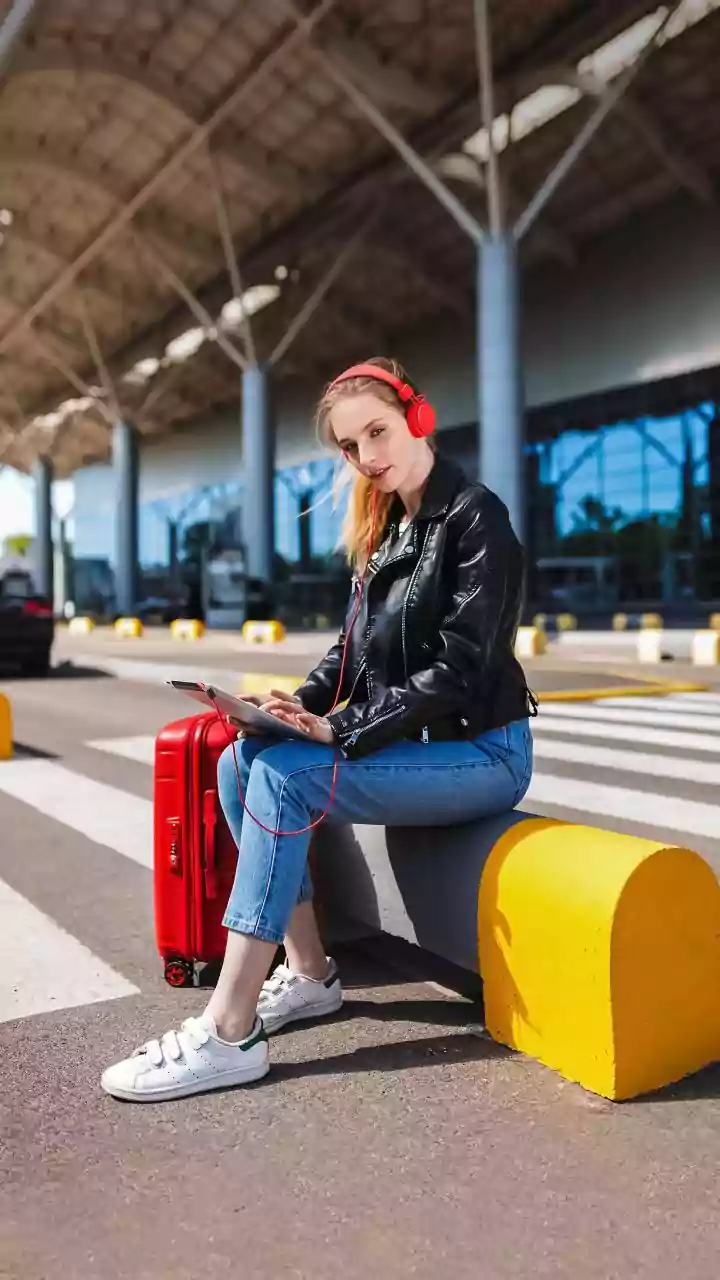
The traditional two-week annual holiday is being replaced by a more flexible and spontaneous approach. Recent studies show that a large majority of Indian Gen Z travellers prefer shorter trips of less than a week, with many saying they would rather take multiple short getaways than one long one. This trend fits the modern realities of college schedules, internships, and first jobs, which don't always accommodate long leaves. These shorter, more frequent trips are often spontaneous, booked within days or weeks of travel. They are less about grand plans and more of a reflexive response to stress or a free weekend. This has made travel a more integrated part of their lifestyle rather than a once-a-year event, allowing for more personal, varied, and restful experiences throughout the year.