

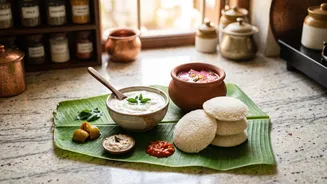

As winter arrives, a familiar debate unfolds in Indian homes: is it safe to eat curd? This beloved staple is often sidelined, feared to cause colds and coughs. But is this traditional belief scientifically sound, or are we missing out on a nutritional
powerhouse?
The Traditional Belief: An Ayurvedic Caution
According to traditional Ayurvedic wisdom, one should be cautious with curd during winter. The primary concern is that curd is believed to have a 'Kapha-aggravating' nature. In Ayurveda, the body is governed by three doshas, and Kapha is associated with qualities of coldness, heaviness, and mucus. The belief is that consuming curd, especially at night or when it's cold, can increase the secretion from glands, leading to a build-up of mucus. This is why people prone to respiratory issues like asthma, sinus problems, or frequent colds and coughs are often advised to avoid it. Ayurveda suggests that if you do have curd, it should be consumed during the day when the digestive fire ('Agni') is strongest.
The Scientific Standpoint: A Nutritional Powerhouse
Modern science and nutrition paint a very different picture. From a nutritional perspective, curd is a superfood that is beneficial year-round. It is packed with essential nutrients, including high-quality protein, calcium, phosphorus, and vitamins like B12. Its main claim to fame is being an excellent source of probiotics—live 'good' bacteria that are crucial for maintaining a healthy gut. A healthy gut microbiome is the cornerstone of a strong immune system. Far from causing illness, the probiotics in curd can actually help strengthen your body's defences against common winter infections like the cold and flu.
Myth vs. Reality: Can Curd Cause a Cold?
Let's be clear: food does not cause viral infections. Colds and the flu are caused by viruses, not by what you eat. There is no scientific evidence to suggest that curd contains or creates the viruses responsible for these illnesses. While some people feel that dairy products can create a sensation of thicker mucus, studies show this is a subjective feeling and that curd does not actually increase mucus production for most healthy individuals. In fact, by boosting your gut health and immunity, daily consumption of probiotic-rich foods like curd may reduce your risk and duration of respiratory tract infections.
Finding the Right Balance: Smart Winter Consumption
So, how can you reconcile these two viewpoints? The key lies in how you consume curd, not whether you should. For the vast majority of people, curd is perfectly safe and healthy in winter. However, to get the maximum benefits and minimise any potential discomfort, follow these simple tips. First, avoid eating curd straight from the refrigerator. Consuming very cold foods can sometimes irritate the throat. Allow it to come to room temperature before you eat it. Second, timing is important. It is best to have curd during the daytime, preferably with lunch, and avoid it late at night. This aligns with both Ayurvedic advice and general digestive comfort.
Creative Ways to Enjoy Winter Curd
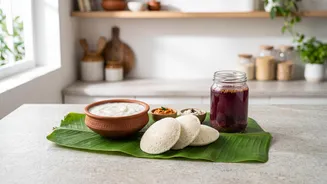
You don't have to stick to a plain bowl of dahi. Winter is a great time to get creative. You can incorporate room temperature curd into various dishes to make it more suitable for the season. Try making a comforting bowl of curd rice seasoned with warming spices like mustard seeds and ginger. You can blend it into a spiced lassi with a pinch of turmeric, or use it to create creamy dips for roasted winter vegetables. Another excellent way to enjoy it is by adding a spoonful of jaggery, which is traditionally consumed in winter for its warming properties. These methods allow you to enjoy curd's benefits while respecting the season's need for warmth.