






Beyond a Simple Payment Tool
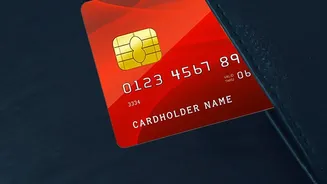
For many young professionals, a credit card is simply a convenient way to pay for things. But viewing it solely as a plastic rectangle for purchases is a missed opportunity. At its core, a credit card is a financial instrument that, when used responsibly,
offers a suite of benefits designed to reward your spending. The key is to see it not as a way to buy things you can't afford, but as a smarter way to pay for things you were going to buy anyway. The real value lies in the reward systems that banks build around these cards, which return a small percentage of your spending back to you in various forms.
The Power of Compounding Perks
The phrase "start early" is often associated with investing, but it applies perfectly to credit card rewards. The small benefits you accumulate on every transaction—cashback, reward points, or air miles—add up significantly over time. Think of it like a small snowball rolling downhill; it gathers mass and momentum. Earning rewards from your early twenties on routine expenses like groceries, utility bills, and online shopping means you are building a valuable stash of points that can later be redeemed for flights, hotel stays, or shopping vouchers. An early start gives your rewards a longer runway to grow, turning mundane expenses into a subsidised vacation or a new gadget a few years down the line.
Building Your Financial Reputation
One of the most critical, yet often overlooked, benefits of using a credit card early in your career is building a credit history. A credit score is a three-digit number that tells lenders how reliable you are with money. Consistently using a credit card and, most importantly, paying the bill in full and on time every month demonstrates financial discipline. This builds a positive credit history, which is crucial when you later apply for major loans for a car, a home, or even a business. A strong credit score, built during your early professional years, can unlock lower interest rates and faster loan approvals, potentially saving you lakhs over the long term.
Choosing a System That Fits Your Life
The Indian credit card market offers a diverse range of reward structures, so it's important to pick one that aligns with your spending habits. The main types are cashback, reward points, and co-branded benefits like air miles. If you value simplicity, a cashback card that gives you a direct percentage of your spending back as a statement credit is a great start. If you are a frequent traveller, a card that allows you to convert points to air miles might offer more value. Many entry-level cards are designed for online shoppers, offering accelerated rewards on platforms like Amazon, Flipkart, and Swiggy. The goal is to match the card's strongest reward categories to where you spend the most money.
The Golden Rules for Smart Usage
The power of credit card rewards is only unlocked through responsible use. The most important rule is to always pay your entire bill on time. Carrying a balance from one month to the next incurs high interest charges that can quickly erase any rewards you've earned. Secondly, don't spend more than you normally would just to chase rewards; this is a common trap that leads to debt. Treat your credit limit as a ceiling, not a target, and aim to keep your credit utilisation ratio (the percentage of your limit you use) below 30% to maintain a healthy credit score. Finally, be aware of annual fees and ensure the benefits you receive from the card outweigh the cost.