



Understanding Cold-Pressed Oils
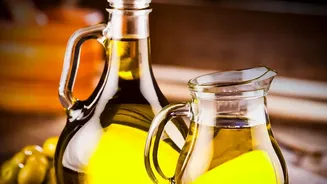
Before we dive into specific oils, what does 'cold-pressed' actually mean? Unlike refined oils that use high heat and chemical solvents, cold-pressed oils are extracted using a mechanical press at low temperatures. This gentle process, often done in a traditional
'ghani' or 'chekku', ensures that the oil retains more of its natural nutrients, antioxidants, flavour, and aroma. While refined oils are often neutral and have a longer shelf life, cold-pressed oils offer a more vibrant and authentic taste of the seed they came from, making them an ingredient in their own right, not just a cooking medium.
Mustard Oil: The Pungent Powerhouse
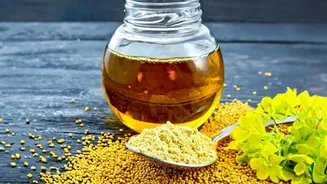
Known as 'sarson ka tel', cold-pressed mustard oil is a cornerstone of North Indian, Bengali, and Rajasthani cuisines. Its defining characteristic is a sharp, pungent flavour and aroma, thanks to a compound called allyl isothiocyanate. This pungency mellows into a warm, complex flavour when heated, making it ideal for a variety of dishes. With a smoke point suitable for most Indian cooking methods, it’s perfect for making pickles, where its natural antimicrobial properties act as a preservative. It brings an unmatched depth to vegetable stir-fries like 'aloo gobhi' and is essential for authentic Bengali fish curries like 'shorshe maach'. For frying pakoras, heating the oil until its sharp smell just begins to change tells you it's at the perfect temperature for a crispy finish.
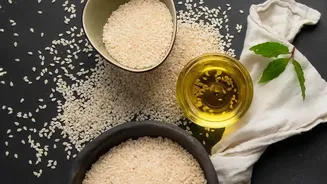
Sesame Oil: The Nutty Nectar of the South
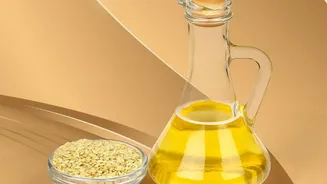
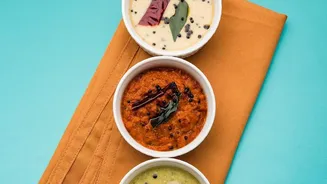
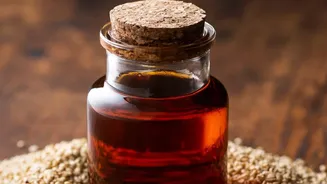
Often called 'til ka tel' or 'gingelly oil', cold-pressed sesame oil is a staple in Southern India and has been used in Ayurveda for centuries. It is prized for its rich, nutty flavour and is packed with heart-healthy unsaturated fats and antioxidants like sesamol and sesamin. Its composition supports cardiovascular health and provides anti-inflammatory benefits. While it has a moderate smoke point, making it suitable for tempering (tadka), stir-frying, and medium-heat cooking, it truly shines in dishes where its flavour is a feature. It's the soul of many chutneys and podis and is often drizzled raw over dishes as a finishing oil to add a final layer of aroma and richness.
Groundnut Oil: The Versatile Kitchen Staple
Cold-pressed groundnut oil, or 'moongphali ka tel', is arguably one of the most versatile oils for daily Indian cooking. It has a mild, nutty flavour that doesn't overpower dishes, making it a fantastic all-rounder. Its major advantage is a high smoke point, which makes it stable and safe for high-heat methods like deep-frying pooris, samosas, and vadas. Because it can handle the heat without breaking down and forming harmful compounds, it's a reliable choice for everything from sautéing vegetables to preparing tadka for dals and curries. Rich in monounsaturated fats and vitamin E, it’s a nutritious replacement for refined vegetable oils in your everyday meals.