





First, How Much Protein Do You Really Need?
Before we dive into myths, let's establish a baseline. The Indian Council of Medical Research (ICMR) recommends a daily protein intake of 0.83 grams per kilogram of body weight for a sedentary adult. For a 65kg person, that's about 54 grams. However,
this is the minimum to prevent deficiency. If you're physically active, trying to build muscle, or aiming for fat loss while preserving muscle, your needs are higher. Active individuals and regular gym-goers often require 1.4 to 2.2 grams of protein per kilogram of body weight to effectively repair and build muscle tissue. For a 70kg person, this could mean anywhere from 98 to 154 grams per day.
Myth 1: Protein Powder Will Make Women Bulky
This is one of the most persistent myths, and it's simply not true. Gaining significant muscle mass, or 'bulking up', requires a combination of heavy, targeted strength training and a consistent calorie surplus (eating more calories than you burn). Protein powder alone doesn't contain the magic ingredients for bulk. For women, it's physiologically much more difficult to build large muscles due to lower levels of testosterone. A protein shake simply provides the amino acids needed to repair muscles after exercise, supporting a leaner, stronger physique, not a bulky one.
Myth 2: A High-Protein Diet Damages Your Kidneys
This is a common concern, but for individuals with healthy kidneys, a high-protein diet, including supplements, is generally considered safe. Your kidneys are resilient and designed to filter waste products from protein metabolism. The myth likely comes from the fact that people with pre-existing kidney disease are often advised to limit their protein intake to reduce strain on their kidneys. For the average healthy person, there is no strong scientific evidence to suggest that consuming recommended amounts of protein powder will harm kidney function. However, staying well-hydrated is always important with a higher protein intake.
Myth 3: You Must Drink a Protein Shake Right After a Workout
The idea of a 30-minute 'anabolic window' where you must consume protein post-workout is largely outdated. While it's beneficial to get protein in after exercise to aid recovery, the timing is more flexible than previously believed. What's more important is your total daily protein intake and spreading it out across your meals. A post-workout shake is convenient, but eating a protein-rich meal within a couple of hours will provide similar benefits for muscle repair and growth. So, don't stress if you can't have your shake the second you finish your last set.
Myth 4: Protein Powder is Unnecessary if You Eat Whole Foods
Whole foods should always be the foundation of your diet. Sources like chicken, fish, eggs, paneer, dal, and legumes provide protein along with essential vitamins, minerals, and fibre that powders lack. However, 'unnecessary' depends on your goals and lifestyle. For athletes or very active people with high protein needs, getting 120+ grams of protein from whole foods alone can be challenging, expensive, and time-consuming. In these cases, a protein shake is a convenient and efficient tool to help bridge the gap. It's a supplement, not a replacement.
Myth 5: All Protein Powders Are the Same
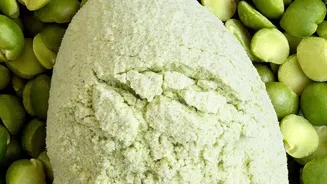
The supplement aisle can be confusing, but powders are not a one-size-fits-all product. The most common types include whey (fast-digesting, good for post-workout), casein (slow-digesting, ideal before bed), and plant-based options like pea, soy, or brown rice protein for those with dietary restrictions. They also differ in quality. Look for products with minimal added sugars, fillers, and artificial ingredients. Reading the label is key to choosing a clean product that aligns with your specific goals, whether that's muscle gain, weight management, or simply boosting your daily protein intake.