



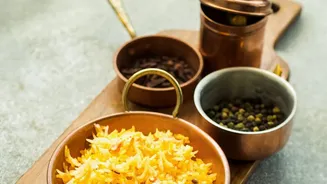
The Philosophy of Colour in Food
Vibrant colour in an Indian dish is more than just visual appeal; it’s a promise of what's to come. A deep red curry signals warmth and spice, often from Kashmiri chillies, while a bright yellow dal suggests the earthy comfort of turmeric. These hues
are deeply tied to our perception of taste and even our mood. Green from fresh herbs can imply health and freshness, while the rich brown of a slow-cooked sauce speaks of deep, earthy flavours. For generations, these colours were achieved not with artificial dyes, but with a palette of spices and vegetables, each adding its own unique character and health benefits to the dish. Embracing these natural agents is a return to a more authentic and wholesome way of cooking.
Saffron: The Golden Thread of Indian Cuisine
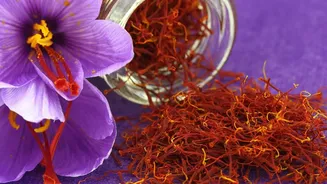
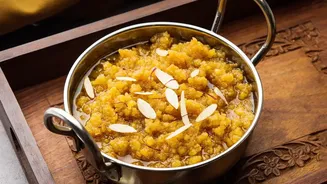
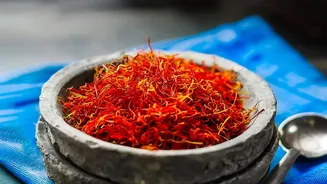
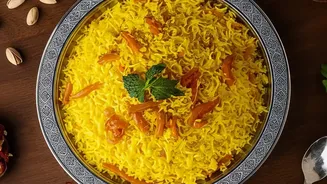
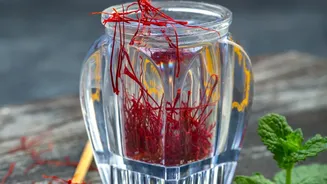
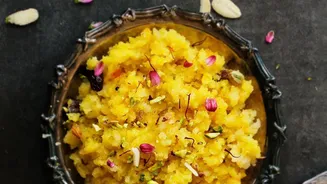
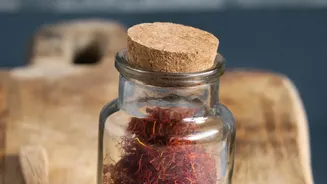
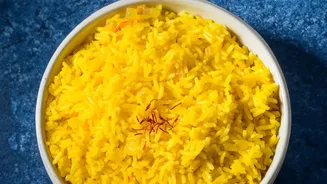
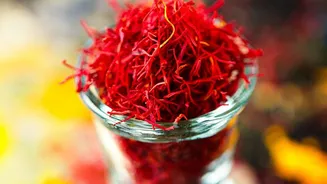
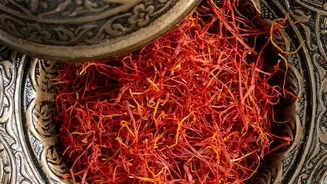
Known as 'kesar', saffron is perhaps the most cherished spice for adding colour and aroma to celebratory Indian dishes. Harvested by hand from the Crocus sativus flower, it takes about 150,000 flowers to produce a single kilogram, which explains why it is the world's most expensive spice. It's indispensable in recipes like Biryani, where it creates iconic golden streaks in the rice, and in desserts like Kheer, Kulfi, and various mithai. The flavour is as prized as its colour, offering a unique profile often described as hay-like with notes of honey. Its use signifies prosperity and purity, making it a staple in festive and royal Mughlai cooking.
Kitchen Tip: How to Bloom Saffron
To get the most out of your expensive saffron, never add the dry threads directly to your dish. The colour and flavour compounds are water-soluble and need time to be released. The best method is 'blooming'. Gently warm a few tablespoons of milk or water—do not boil it. Lightly crush a pinch of saffron threads and add them to the warm liquid. Let it steep for at least 15-20 minutes. You will see the liquid turn a beautiful golden-yellow. This saffron-infused liquid can then be added to your recipe. For dishes like biryani, using warm milk is often preferred as the fat helps carry the aroma more effectively.
How to Spot Fake Saffron
Given its high price, saffron is often adulterated. You can perform a few simple tests at home. The cold-water test is the most reliable: drop a few threads into a glass of cold water. Real saffron will release its golden-yellow colour slowly, and the threads themselves will remain red. Fake saffron, often dyed corn silk or safflower, will bleed a bright red or orange colour almost instantly, and the threads may lose their colour. Real saffron threads are trumpet-shaped, smell floral and hay-like, and should taste slightly bitter, never sweet. If you rub a soaked thread between your fingers, it should remain largely intact and stain your skin yellow-orange.
Your Natural Colour Palette: Beyond Saffron
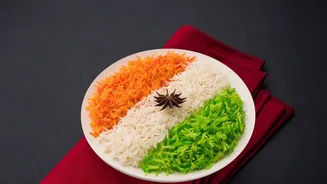
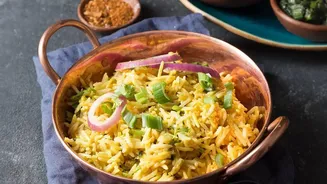
While saffron is king, the Indian kitchen has a full spectrum of natural colouring agents. Turmeric ('haldi') is the most common, providing a vibrant yellow to curries, rice, and sweets. For a deep red or pink, beetroot is an excellent choice. You can use its juice or a powder made from dehydrated beets. For fiery reds, Kashmiri red chilli powder provides a brilliant colour without overwhelming heat. Fresh green hues can be achieved with a puree of spinach or other green leafy vegetables, perfect for kebabs or parathas. Other ingredients like carrot juice for orange and even butterfly pea flowers for a rare blue are also used in various regional cuisines.