






The Comforting Myth of the Sleep Bank
We’ve all done it: burning the midnight oil from Monday to Friday, staring at laptops, phones, and tablets, only to crash for an extra few hours on Saturday morning. The logic feels sound. We treat sleep like a bank account, assuming we can pay back the “debt”
we accumulate during the week with a large weekend deposit. While catching a few extra hours can help reduce short-term fatigue and make you feel more alert, research shows it's not a complete fix. Studies suggest that while you might feel better, the underlying metabolic and cognitive impairments from a week of poor sleep can persist. Your body's internal clock, or circadian rhythm, gets thrown off by the inconsistent schedule, which can make it harder to wake up on Monday morning and get back into a healthy routine.
The Screen Time Complication
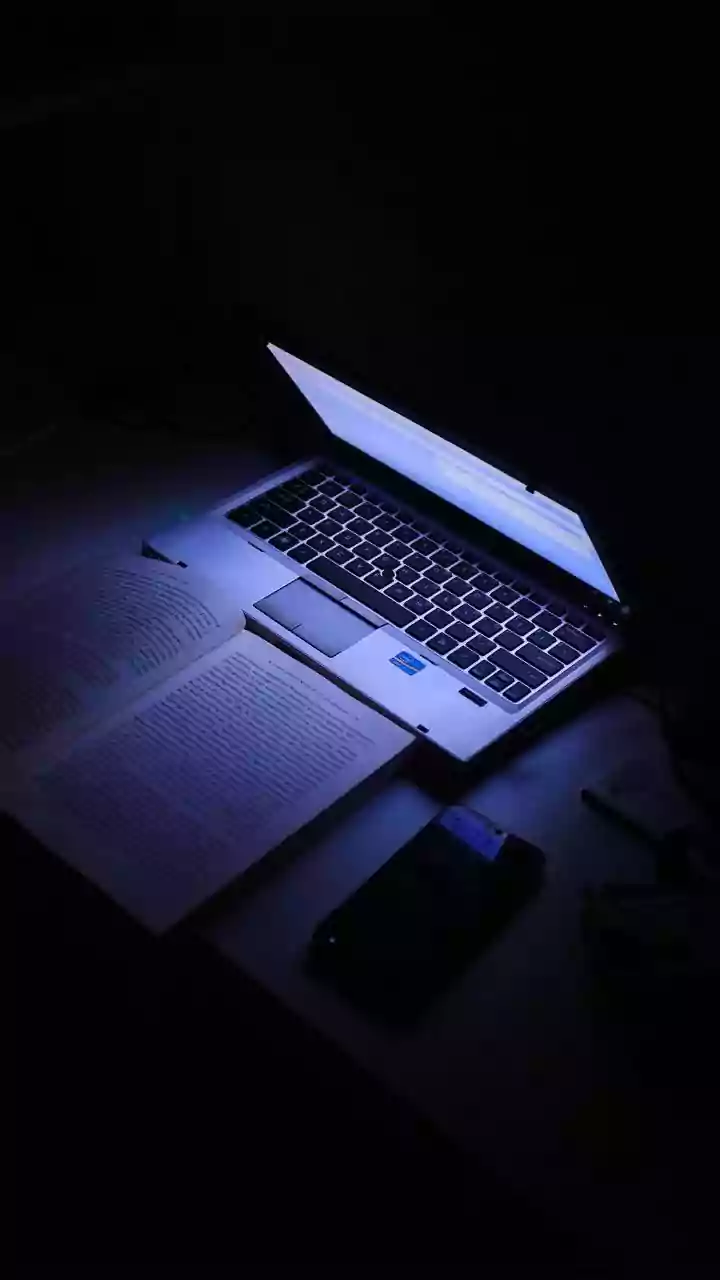
The problem is compounded by why we're so tired in the first place. It's not just about lost hours; it's about the quality of our waking and sleeping time. The high-energy blue light emitted by our devices is a major culprit. This specific wavelength is particularly effective at suppressing the production of melatonin, the hormone that tells your body it's time to sleep. When you're exposed to it in the evening, your brain gets a signal that it's still daytime, making it harder to fall asleep and reducing the quality of your rest. This exposure can delay sleep onset, disrupt REM sleep, and leave you feeling less refreshed even after a full night in bed.
More Than Just Melatonin
The impact of screen time goes beyond just blue light. The content we consume is often stimulating, keeping our brains alert and engaged when they should be winding down. Answering work emails, scrolling through social media, or binge-watching a thrilling series can trigger a stress response, keeping you mentally 'on' and preventing the transition into deep, restorative sleep. This cognitive arousal is why you might find yourself lying awake, mind racing, even after you’ve finally put your phone down. Furthermore, prolonged screen use leads to digital eye strain, with symptoms like dry eyes, blurry vision, and headaches that aren't simply cured by sleeping more.
Why Extra Sleep Isn't the Solution
Sleeping in doesn't fundamentally reset the hormonal and neurological disruption caused by a week of late-night screen use. You may temporarily ease your feelings of tiredness, but you haven't fixed the root problem. Your circadian rhythm is still out of sync from the erratic sleep schedule and the artificial light exposure. That long lie-in won't magically undo the suppression of your melatonin production or heal strained eye muscles. In fact, dramatic shifts in your weekend sleep schedule can lead to what's known as 'social jetlag', making you feel groggy and out of sorts when Monday rolls around. Research indicates that some biological markers of sleep loss, like reduced insulin sensitivity, don't improve with catch-up sleep and may even worsen.
Smarter Ways to Recover and Reset
Instead of relying on a weekend sleep binge, a more effective approach is to focus on consistency and better habits throughout the week. The goal is not just more sleep, but better sleep. Try to establish a consistent sleep schedule, going to bed and waking up around the same time every day, even on weekends. Implement a 'digital curfew' by turning off all screens at least an hour before bed to allow your brain to wind down and melatonin levels to rise naturally. To combat eye strain, practice the 20-20-20 rule during the day: every 20 minutes, look at something 20 feet away for 20 seconds. Replacing pre-bedtime scrolling with relaxing activities like reading a physical book, gentle stretching, or taking a warm bath can also signal to your body that it's time to rest.