





Understanding Your Kiwifruit Vine's Needs
Kiwifruit vines are vigorous growers with large leaves that lose a lot of water, especially in warm, sunny weather. They require consistent moisture to thrive and produce quality fruit, needing anywhere from 800 to 1200 mm of water annually. However,
their roots are highly susceptible to rot if the soil becomes waterlogged. Furthermore, their foliage is prone to fungal diseases like grey mould and other bacterial infections if it remains wet for extended periods. This delicate balance—needing plenty of water at the roots but dry conditions on the leaves—is precisely why your choice of irrigation method is so critical for success.
Overhead Spraying: The Easy but Inefficient Option
Overhead sprinklers and hose-end sprayers are popular because they are inexpensive and easy to set up. They mimic natural rainfall, covering a wide area quickly. However, this method comes with significant drawbacks for kiwifruit. A large portion of the water evaporates before it even reaches the soil, especially on hot or windy days, leading to considerable waste. The water that does land often fails to penetrate deeply, encouraging a shallow root system. Most importantly, spraying water across the entire plant wets the leaves, creating the perfect damp environment for fungal diseases to take hold and spread. This can compromise the health of the vine and the quality of your fruit.
Drip Irrigation: Targeted, Healthy, and Efficient
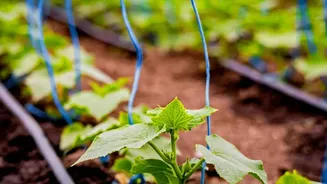
Drip irrigation solves the core problems created by overhead spraying. By using a network of tubes and emitters, it delivers water slowly and directly to the soil at the base of the vine. This targeted approach ensures that water goes straight to the root zone where it's needed most. Because the foliage stays dry, the risk of common leaf diseases is drastically reduced. This method also promotes deep, strong root growth, as the slow, steady drip encourages roots to grow downward in search of moisture, making the vine more resilient to drought.
Saving Water, Money, and Time
The efficiency of drip irrigation is one of its greatest advantages. By minimizing evaporation and runoff, drip systems can reduce water consumption by 30% to 70% compared to traditional sprinklers. This is not only better for the environment, especially in water-scarce regions, but it also translates to lower water bills. Furthermore, because a drip system applies water precisely where it's needed, it significantly reduces weed growth in the surrounding areas, saving you the effort of constant weeding. Many systems can be automated with a simple timer, providing your vines with consistent moisture without any daily effort on your part.
Better Fruit and Healthier Vines
Ultimately, the goal of growing kiwifruit is a bountiful harvest. A well-hydrated vine with a deep, healthy root system is better equipped to produce larger, higher-quality fruit. Consistent moisture from a drip system prevents the plant stress caused by cycles of drought and drenching, which can affect fruit development. By keeping the root zone evenly moist without being waterlogged, you create the ideal conditions for the vine to absorb nutrients efficiently from the soil. This leads to more vigorous growth and a more productive plant year after year.
A Simple Start for Home Gardeners
Setting up a basic drip system is a straightforward weekend project. Starter kits are widely available and typically include a pressure regulator, a filter to prevent clogs, a primary supply line, and smaller emitter tubes. The main hose runs along your row of vines, and you can punch in small emitters or microtubes to direct water to the base of each plant. For larger vines, using two or more emitters per plant helps ensure the entire root zone is watered evenly. While there is an initial setup cost, the long-term benefits in water savings, reduced disease, and healthier plants make it a worthwhile investment for any serious home kiwifruit grower.