





The Monsoon's Uneven Report Card
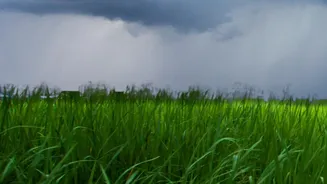
The performance of the 2026 southwest monsoon has been a mixed bag, keeping farmers and economists on edge. After a concerningly dry June, July brought a much-needed revival with strong rainfall that helped erase some of the early deficits. However, the India
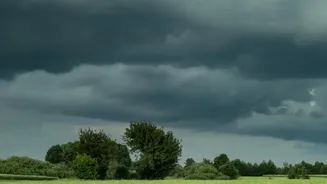
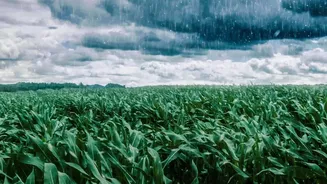
Meteorological Department (IMD) has forecasted 'below normal' rainfall for August and for the second half of the season (August-September) overall. This uneven distribution is critical. As of early August, the cumulative seasonal rainfall was still about 12% below the long-period average, with nearly half of the country's districts facing shortfalls. Recent weather systems have brought heavy rainfall to eastern and central states like Odisha, West Bengal, and Chhattisgarh, but other key agricultural belts are still watching the skies anxiously. This patchiness, driven by a strengthening El Niño, is the central variable that will determine crop health and, ultimately, food prices.
The Kharif Sowing Connection
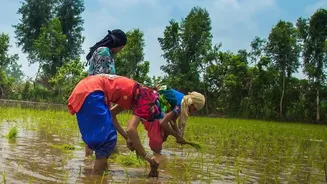
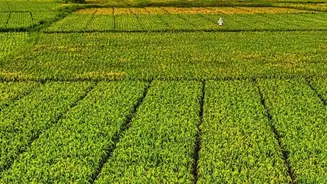
The monsoon's timing and intensity are directly linked to the sowing of Kharif crops, which are planted during this season. These include essential staples like rice (paddy), pulses (dal), coarse cereals, and oilseeds. The good news is that the vigorous rains in July helped farmers catch up on sowing. By early August, the gap in total Kharif crop area had narrowed to just over 2% compared to last year. However, a closer look reveals areas of concern. The acreage for paddy, the main Kharif crop, remains down by about 3.65% year-on-year as of mid-August. Sowing for pulses and coarse cereals is also marginally trailing. While oilseed planting has picked up, the lag in rice and other grains could create supply pressures later if the monsoon doesn't deliver a strong finish. A poor harvest means lower supply in the mandis, which is the first step towards higher prices for consumers.
Why Vegetables Are So Vulnerable
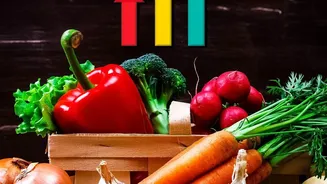
While grains are watched for long-term food security, it's often vegetables that show the first signs of price volatility. With shorter growth cycles and a greater need for consistent water, their supply can be disrupted quickly by erratic weather. Heavy rains can flood fields and damage crops, while a prolonged dry spell can wither plants. Both scenarios disrupt harvesting and transportation, leading to immediate shortages and price spikes in local markets. Recent reports show this is already happening. Prices for staples like ginger, garlic, onions, and even coriander have jumped significantly due to supply disruptions caused by heavy rains in key growing regions. Conversely, prices for items like potatoes and tomatoes have eased in some areas. This highlights how localised weather events can create a complex and often confusing price environment for the average household.
The Journey from Puddle to Plate
The link between rainfall and the price you pay is a clear chain of events. Inadequate rain leads to lower crop yields and reduced agricultural output. This translates to fewer trucks arriving at wholesale markets, creating a supply-demand mismatch that pushes up wholesale prices. This increase is then passed down through the supply chain to retailers and, finally, to the consumer. Food inflation figures for July 2026 already reflect this pressure, climbing to 5.52%. While this is within the RBI's tolerance band for now, the upward trend driven by food prices is a clear signal of the monsoon's economic impact. The government has a buffer with strong food grain stocks, which can help contain cereal inflation, but the prices of fresh produce remain highly susceptible to these seasonal fluctuations.