


Why the Monsoon is Magic
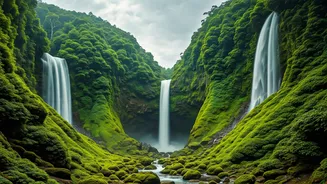
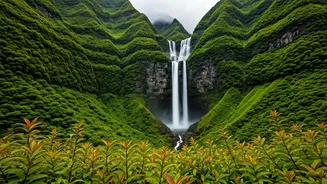
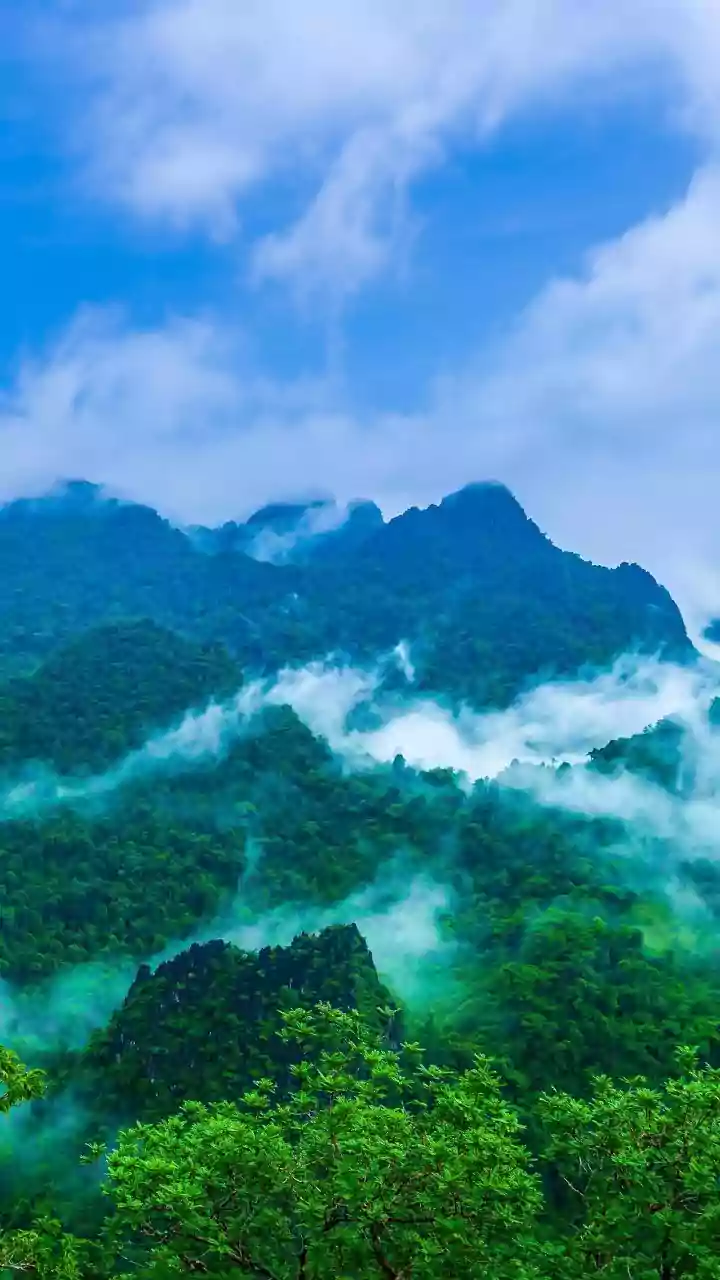
Most travellers pack away their safari hats when the first clouds gather, believing the season is a washout for wildlife spotting. They couldn't be more wrong. The monsoon is a period of rebirth. The parched earth drinks deeply, dust settles, and a vibrant,
almost neon green carpet rolls out across the landscape. Animals, relieved from the oppressive summer heat, are more active. Water sources are abundant, meaning you don't have to stake out a single waterhole. Instead, life teems everywhere. The air is clean, the light is soft and perfect for photography, and best of all, the crowds are gone. You get a more intimate, personal encounter with nature at its most dramatic and joyful. While many parks close their core zones, several keep specific areas open, offering a unique window into this magical season.
1. Periyar National Park, Kerala
If there's one park that truly comes alive in the monsoon, it's Periyar. Nestled in the Western Ghats, this tiger reserve is built around a vast artificial lake, which becomes the centrepiece of your adventure. The best way to experience Periyar in the rain is on a boat safari. As a gentle drizzle mists the air, you’ll glide across the water, watching herds of elephants come down to the banks to drink and play. The sight of a baby elephant splashing in the rain-fed lake is pure joy. The forest, thick with tropical evergreens, is at its most dense and mysterious. The constant chirping of insects and the calls of birds like the Malabar trogon create an immersive soundscape. It’s not just about tigers here; it’s about witnessing an entire ecosystem celebrating the rain.
2. Kabini (Nagarhole National Park), Karnataka
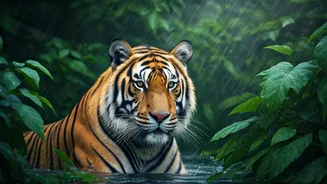
Kabini is legendary among wildlife enthusiasts, and the monsoon adds another layer to its mystique. Located on the banks of the Kabini River, the forest here becomes a photographer's dream. The landscape is a stunning mix of lush grasslands and dense teak forests, all washed clean by the rains. While tiger and leopard sightings are possible year-round, the monsoon offers a special thrill. The forest floor is damp, making it easier to track animal movements. This is also a prime time to spot the elusive black panther. The stark contrast of its dark coat against the vibrant green foliage makes for a once-in-a-lifetime sighting. Boat safaris on the river offer fantastic views of crocodiles, otters, and massive herds of Asiatic elephants enjoying the cool weather. The safari jeeps slicing through misty forest tracks create an atmosphere of pure adventure.
3. Jim Corbett National Park, Uttarakhand
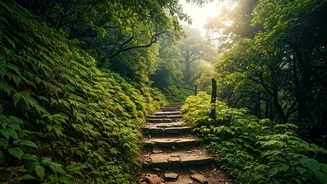
While the core zones of India's oldest national park largely close during the monsoon, the park's periphery offers a spectacular experience. The Jhirna and Sitabani zones typically remain open, providing a gateway to Corbett's rain-washed beauty. The monsoon transforms the Himalayan foothills into a dramatic canvas of swollen rivers, misty mountains, and intensely green sal forests. The Ramganga River, usually placid, becomes a powerful, churning force. This is the perfect time for birdwatching, as the resident and migratory bird populations are in full display. Safaris in these zones are less about ticking off a checklist of big cats and more about soaking in the powerful atmosphere. You’ll see herds of deer and sambar grazing in the lush meadows, and the powerful roar of a hidden tiger feels even more primal when muffled by the sound of falling rain.
4. Valley of Flowers National Park, Uttarakhand
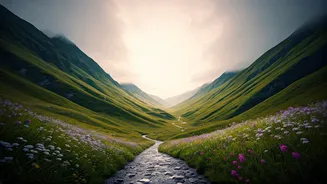
This one is a bit different—it's not about spotting big game, but about witnessing a floral spectacle that only happens during the monsoon. A UNESCO World Heritage Site, the Valley of Flowers is a high-altitude Himalayan valley that bursts into a riot of colour from July to September. After a challenging but rewarding trek, you are greeted by meadows blanketed with over 300 species of alpine flowers, including the mythical blue poppy, primulas, and orchids. The backdrop of snow-capped peaks shrouded in monsoon clouds makes the scene utterly ethereal. The rain keeps the flowers fresh and the colours vibrant. This isn’t a jeep safari; it's a pilgrimage for nature lovers, a chance to walk through a living painting that exists for only a few months a year.