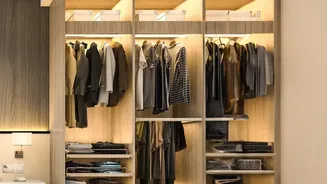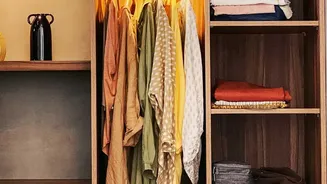







A minimalist wardrobe promises less stress, more style, and an end to the 'closet full of clothes, nothing to wear' dilemma. Building one that's truly functional is about more than just owning fewer things; it's about curating a collection that works
for you.
1. Define Your Personal Style First
Before you discard a single item, the first step is to get clear on your personal style. A functional wardrobe isn't just small; it's an authentic reflection of you. Trying to build a minimalist closet without this foundation is like packing for a trip without knowing your destination. Ask yourself what you want your clothes to say about you. Consider your daily life: what do you actually do and what do you need to be comfortable and confident doing it? Create a mood board with outfits that you are drawn to. This vision will become your guide, ensuring you are curating pieces that you will genuinely love and wear, rather than just collecting items that fit a generic minimalist aesthetic.
2. Prioritise Quality Over Quantity
The core philosophy of a minimalist wardrobe is choosing fewer, better pieces. This means shifting your mindset from chasing disposable, fast-fashion trends to investing in garments built to last. High-quality items made from durable fabrics like cotton, wool, or linen not only withstand repeated wear and washing but also tend to fit better and look more polished over time. While the upfront cost may be higher, you save money in the long run by not having to constantly replace poorly made clothes. This approach is also more sustainable, reducing textile waste and your environmental footprint. Think of each purchase as a long-term investment in your style and your closet's functionality.
3. Choose a Cohesive Colour Palette
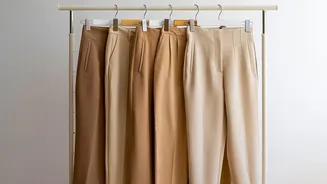
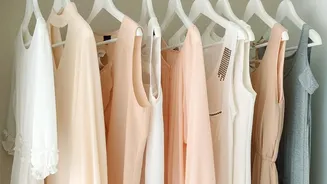
A cohesive colour palette is the secret to making a small wardrobe feel expansive and versatile. When all your pieces work together, the number of potential outfits multiplies. A common strategy is to start with two or three base neutrals—like black, navy, white, grey, or beige—that flatter you and form the backbone of your wardrobe. These will be for your foundational items like coats, trousers, and classic shirts. Then, add two to three accent colours. These are the shades that add personality and can be used for tops, sweaters, and accessories. Sticking to a defined palette ensures you can mix and match almost everything, making getting dressed quick and effortless.
4. Focus on Versatility and Layering
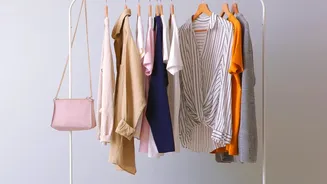
Every item in a functional minimalist wardrobe should be a hard worker. When shopping or decluttering, ask yourself if a piece can be styled in multiple ways for different occasions. A classic white shirt, for example, can be worn to the office, tucked into jeans on the weekend, or open over a dress in the summer. Key versatile pieces often include a tailored blazer, dark-wash jeans, a classic trench coat, and neutral t-shirts. Thinking in terms of layers is also crucial. A wardrobe with good layering pieces—like cardigans, blazers, and simple sweaters—can be adapted for changing weather, making it functional year-round without needing a complete seasonal overhaul.
5. Maintain Your Wardrobe with Intention
Once you have curated your ideal minimalist wardrobe, the final step is to maintain it. The most effective strategy is the 'one in, one out' rule. Whenever you buy a new item, you must part with an old one by selling, donating, or recycling it. This simple habit prevents the slow accumulation of clutter and forces you to be more intentional with your purchases. It's also helpful to do a quick closet review at the start of each season. Take inventory of what you have, store off-season items you won't be using, and identify any genuine gaps. This isn't about constant purging, but about mindfully ensuring your wardrobe continues to serve your lifestyle and feel inspiring.