



The Urban Heat Island Explained
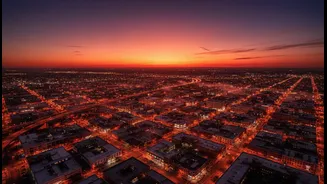
The core of the issue is a phenomenon known as the Urban Heat Island (UHI) effect. In simple terms, cities are hotter than their surrounding rural areas. During the day, temperatures in urban centers can be 1–7°F higher, but the difference becomes even
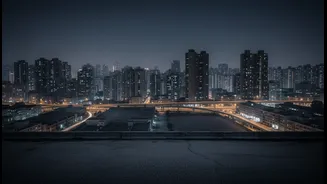
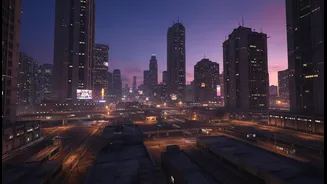
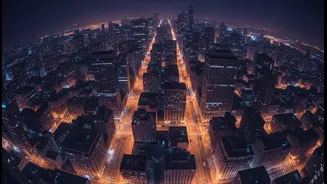
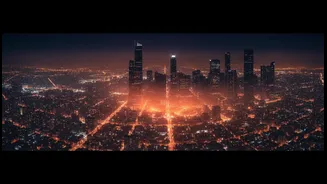
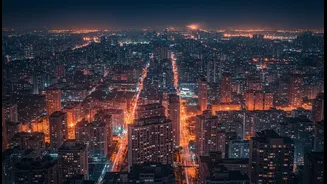
more pronounced after dark, with nighttime temperatures staying 2–5°F warmer, and in some cases, much more. This happens because our cities have replaced natural, cooling landscapes like forests and water bodies with man-made structures that absorb and hold onto heat. Think of a city as a giant storage heater, soaking up the sun's energy all day and releasing it slowly throughout the night.
Concrete and Asphalt: The Primary Culprits
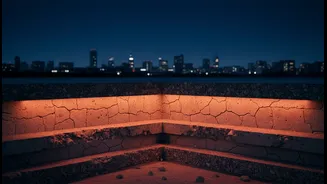
The materials we use to build our cities are a major part of the problem. Concrete and asphalt, the building blocks of our roads, pavements, and buildings, are excellent at absorbing solar radiation. These dark, dense surfaces can absorb up to 95% of the sun's energy. Unlike natural surfaces that have moisture and provide shade, these materials have a high thermal mass, meaning they heat up during the day and retain that heat for a long time. After the sun sets, while a grassy field cools down quickly, concrete and asphalt begin to radiate the heat they’ve stored, warming the air around them for hours. This slow release is why you can feel heat coming off a pavement or a brick wall well past midnight.
The Midnight Heat Trap
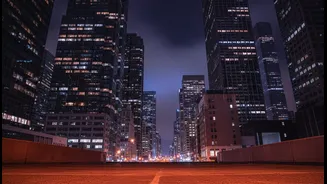
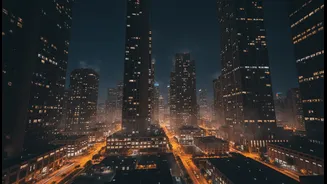
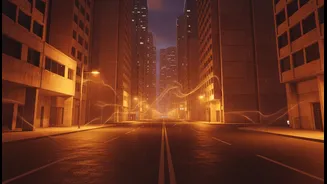
Several factors conspire to keep cities hot long into the night. The geometry of a city, with its tall buildings and narrow streets, creates "urban canyons." These canyons trap heat and block wind that would otherwise help to cool the area. Furthermore, the lack of trees and green spaces means less shade and less evaporative cooling, a natural process where plants release water vapor that cools the air. To top it off, human activities generate their own heat, known as anthropogenic heat. Air conditioners, while cooling building interiors, pump hot air outside. Cars, industrial processes, and even our own bodies add to the thermal load, creating a feedback loop that makes hot nights even hotter.
More Than Just Discomfort: A Health Hazard
Persistently high nighttime temperatures are not just uncomfortable; they are a serious health risk. Our bodies rely on cooler overnight temperatures to recover from the heat of the day. When this relief doesn't come, the cumulative stress can lead to heat exhaustion, heatstroke, and can worsen chronic conditions like cardiovascular and respiratory diseases. Studies show that hot nights are associated with an increased risk of hospitalizations and even death, particularly for the elderly, children, and low-income individuals who may not have access to air conditioning. Disrupted sleep due to heat is another major issue, impacting everything from cognitive function to immune health.
Designing Cooler Cities for the Future
The good news is that we can design our cities to be cooler. The same infrastructure that creates the problem can also be the solution. Strategies focus on reintroducing nature and using smarter materials. Initiatives include planting more urban trees to provide shade and evaporative cooling, and creating green corridors to improve airflow. Using 'cool pavements' and reflective materials with a higher albedo (reflectivity) can bounce sunlight back instead of absorbing it. Green roofs, permeable pavements that let water seep into the ground, and even the strategic placement of water features like fountains are all effective tools being explored to mitigate the urban heat island effect and build more resilient, healthier cities for the future.