






Start with a Water-Resistant Foundation
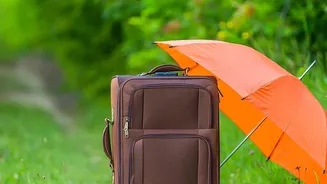
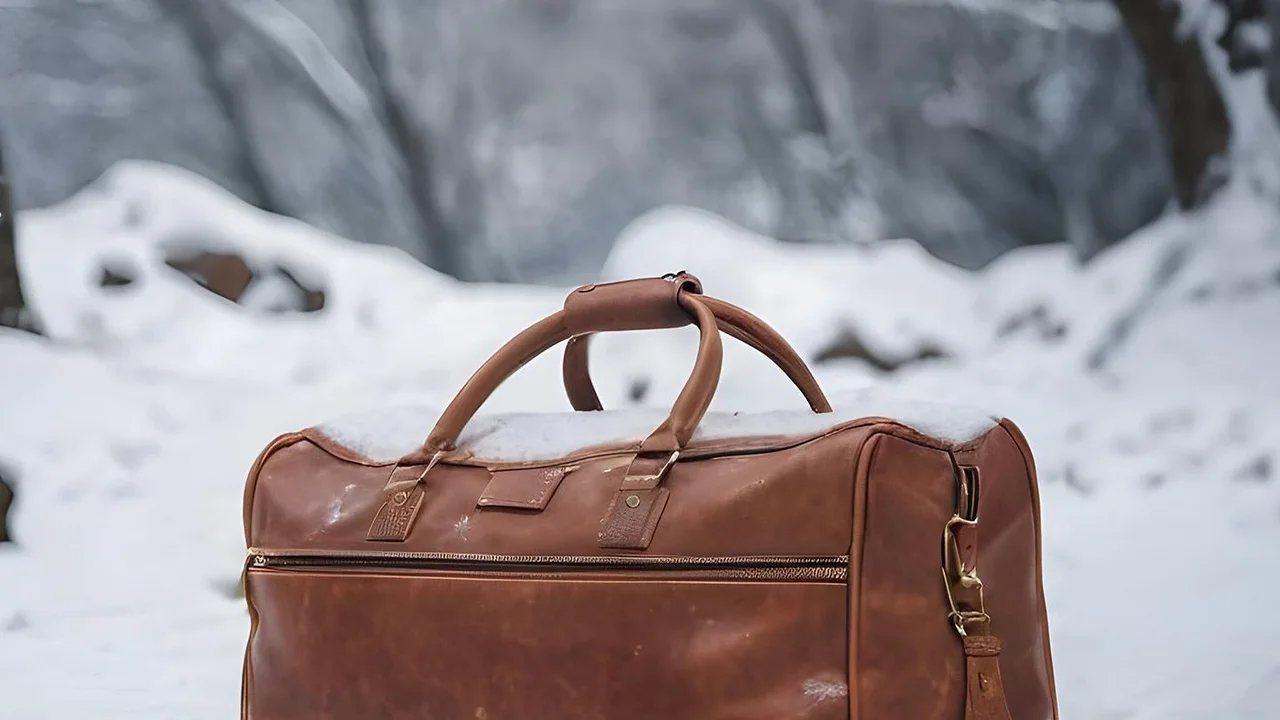
Your first line of defence is the bag itself. While few carry-on bags are fully waterproof, many are water-resistant. Look for bags made from materials like TPU-coated nylon, polyester, or PVC tarpaulin, which are designed to repel water. These materials prevent
light rain and splashes from immediately soaking through. Pay attention to the zippers; even a water-resistant bag can be compromised by a standard zipper. Look for bags with PU-coated zippers or storm flaps that cover the zipper teeth, providing an extra barrier against moisture. While a high-tech bag helps, it is not a complete solution, but a crucial first step in your waterproofing strategy.
Embrace the Power of Internal Layers
Assume some water might get in and plan accordingly. The secret to keeping things dry is compartmentalisation and layering. Use waterproof dry bags, which are designed for activities like kayaking, as internal organisers. Place your most important items—electronics, documents, and a spare change of clothes—inside these dry bags before putting them in your main carry-on. For a budget-friendly alternative, high-quality zip-lock freezer bags work wonders. This 'bag-within-a-bag' method creates multiple barriers. If your outer bag gets damp, your essentials remain securely shielded inside their own waterproof cocoons.
Create a Dedicated Electronics Sanctuary
Moisture is the enemy of modern gadgets. During the monsoon, high humidity can cause damage even without direct rain exposure. Create a dedicated 'electronics sanctuary' in your bag. Start by placing phones, chargers, and power banks in individual zip-lock pouches. For an added layer of protection against ambient dampness, toss a few silica gel packets into the pouch. These small packets are excellent at absorbing moisture and creating a dry micro-environment for your sensitive devices. Always pack power banks and spare batteries in your carry-on, never in checked luggage.
Isolate Wet Items Immediately
One of the quickest ways to ruin the contents of your bag is by tossing a damp umbrella or wet raincoat on top of your dry clothes. Designate an 'isolation zone' for wet items. Pack a few extra plastic bags or a reusable, waterproof laundry bag for this purpose. The moment an item gets wet, seal it away in one of these bags. This simple habit prevents moisture and musty smells from spreading, keeping the rest of your luggage fresh and dry throughout your journey. This also applies to muddy footwear; having a dedicated shoe sac can save your clean clothes from grime.
Pack Smart with Quick-Dry Fabrics
What you pack is as important as how you pack it. Heavy cotton fabrics absorb water and can take days to dry in humid monsoon weather. Instead, fill your carry-on with clothes made from synthetic or quick-dry materials like polyester and nylon blends. These fabrics don't hold onto moisture and will dry much faster if they get damp. This applies to everything from shirts and trousers to socks and underwear. A quick-dry microfibre towel is another indispensable item; it absorbs water efficiently and dries in a fraction of the time of a traditional cotton towel.
Don't Underestimate an External Rain Cover
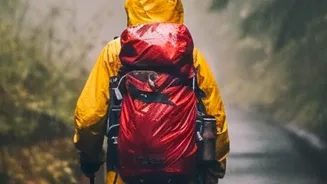
For a final, crucial layer of external protection, a simple backpack rain cover is invaluable. These lightweight, foldable covers can be deployed in seconds during a sudden downpour, shielding your entire bag from the rain. They take up almost no space but offer maximum protection, especially when you're caught walking on an exposed airport tarmac or waiting for transport. It’s one of the most effective and affordable ways to ensure that water never even gets a chance to test the seams and zippers of your primary bag.