





A Fabric Born of Place and Purpose
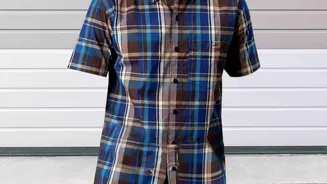
Authentic Madras check is more than just a pattern; it's a piece of history woven from lightweight cotton, named after its place of origin, Madras (now Chennai). Traditionally hand-woven in the villages surrounding the city, its creation was a response
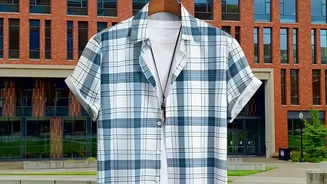
to the hot, humid climate of the Coromandel Coast. The fabric is defined by its characteristic plaid designs in bright, bold colours. Unlike printed checks, true Madras is yarn-dyed, meaning the threads are coloured before being woven. This process ensures the pattern is identical on both sides of the cloth, a key marker of its authenticity. It is made from short-staple cotton fibre which results in a textured, slightly bumpy feel known as 'slubs,' giving the fabric its unique character.
From Local Lungi to Ivy League Staple
The history of Madras check is a fascinating journey of global trade and cultural exchange. It began as a staple for local garments like the lungi. European traders, particularly the British East India Company, were drawn to the lightweight, breathable cotton in the 17th century and began exporting it. Its popularity grew, and by the mid-20th century, the fabric had found an unlikely home in American 'preppy' fashion. Ivy League students and style-conscious consumers embraced it for summer clothing, popularising Madras shirts, shorts, and jackets. This global journey also led to one of the fabric's most famous quirks. An American importer sold thousands of yards to Brooks Brothers without passing on the crucial washing instructions, leading to the vegetable dyes running in the wash. In a stroke of marketing genius, this flaw was rebranded as a feature, with advertisements proudly declaring the fabric was "guaranteed to bleed."
Why It’s Back in 2026
The revival of Madras check is perfectly timed for the current moment. After years dominated by muted minimalism, fashion is embracing colour and pattern with personality. But the comeback is about more than just aesthetics. There is a growing desire for clothing with a story, rooted in tradition and craftsmanship. As consumers increasingly prioritise sustainability and natural materials, handloom fabrics like Madras check offer a meaningful alternative to mass-produced synthetics. Its breathable cotton nature makes it fundamentally practical for the Indian climate, a quality that never goes out of style. Designers are tapping into this, reinterpreting the fabric in modern silhouettes like co-ord sets, dresses, and even sharply tailored suits, proving its versatility.
The Enduring Appeal of Breathable Cotton
At the heart of the Madras check revival is the enduring appeal of its core material: cotton. Natural fibres are inherently more breathable than synthetics like polyester, which can trap heat and moisture against the skin. Lightweight cotton allows air to circulate, helping to regulate body temperature and keeping you comfortable on hot and humid days. Fabrics like Madras, with their open weave, are especially effective at this. This focus on breathable fabrics is a return to a fundamental principle of dressing for comfort and climate. While technical fabrics have their place, the simple, reliable performance of natural cotton remains the gold standard for everyday summer wear.