




Why Your Manual Is Not Optional
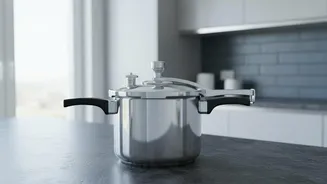
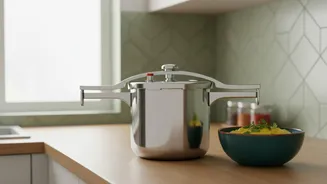
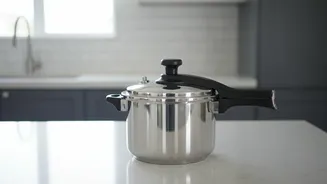
Not all pressure cookers are created equal. A traditional stovetop model operates differently from a modern electric multi-cooker. Stovetop versions require you to manually adjust the heat to regulate pressure, whereas electric models use internal sensors
to control temperature and pressure automatically. This fundamental difference affects everything from locking mechanisms to pressure release valves. Your user manual is the only definitive guide to your specific model's safety features, capacities, and quirks. Reading it thoroughly is the most important step you can take. Ignoring it in favour of generic advice is a common but avoidable risk. User error, not just device failure, is a significant cause of accidents.
The Pre-Cooking Safety Check
Before you add a single ingredient, perform a quick inspection. The rubber or silicone gasket inside the lid is crucial for a proper seal. Check it for cracks, dryness, or damage. Many manufacturers recommend replacing it annually. Next, ensure the pressure release valves and any anti-block shields are clean and free of food debris. A blocked vent is a primary cause of excess pressure buildup. Finally, respect the fill lines. Never fill a pressure cooker more than two-thirds full with liquid or solid ingredients. For foods that froth or expand, like beans, rice, or dal, you should only fill it halfway. Overfilling can cause food to block the vents, leading to dangerous malfunctions.
During and After Cooking
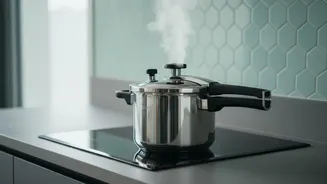
Once the cooker is on the heat or plugged in, stay relatively close by to monitor it. Forcing the lid open while the pot is pressurised is extremely dangerous and a leading cause of severe burns from ejected hot liquid and food. Modern cookers have locking mechanisms that are designed to prevent this, but you should never try to defeat them. When the cooking time is complete, the pressure must be released safely. Your manual will detail the correct methods for your model, which typically include a 'natural release' (letting the pressure drop on its own) or a 'quick release' (using the valve). Always open the lid away from your face to avoid the powerful blast of remaining steam.
The Importance of a Clean Machine
Proper maintenance is non-negotiable for long-term safety and performance. After each use, once the cooker has cooled, wash all parts thoroughly. This includes the inner pot, the lid, and, most importantly, the gasket and valves. Remove the gasket to clean it and the lid groove separately, ensuring no food particles are trapped. Leaving food residue can not only cause odours but can also lead to blockages in the safety mechanisms over time. A clean cooker is a safer cooker. Storing the appliance with the lid inverted or placed loosely on top, rather than locked, can also help preserve the life of the gasket.