








From Trend to Tradition
What was once a niche interest for environmental activists has blossomed into a mainstream movement. Across India’s bustling cities and quiet towns, a growing number of people are questioning the culture of disposability. This isn't just about feeling
guilty over a plastic bottle; it's a deeper, more intentional shift. Young professionals in Bengaluru are swapping weekend mall trips for visits to zero-waste stores, armed with their own jars and cloth bags. In Mumbai, apartment complexes are competing to become the most efficient at waste segregation and composting. The driving force is a powerful combination of global climate awareness, amplified by social media, and a very personal desire for a healthier, more meaningful existence. It’s a reconnection with the age-old Indian ethos of living in harmony with nature, now repackaged for the 21st century.
The Conscious Closet and Kitchen
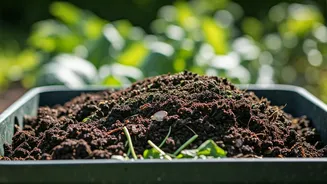
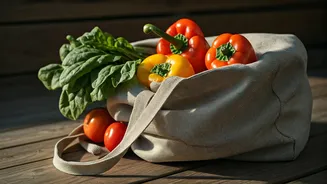
Two of the most visible arenas for this change are fashion and food. The fast-fashion model, built on rapid trends and cheap, disposable clothing, is facing a backlash. A new generation of consumers is embracing ‘slow fashion,’ investing in timeless pieces from local artisans, or diving into the thriving culture of thrifting and upcycling. Instagram is filled with influencers and small businesses celebrating pre-loved sarees and upcycled denim. Similarly, our kitchens are undergoing a revolution. The demand for organic, pesticide-free produce is no longer confined to luxury stores. Farmers' markets are flourishing, connecting urban consumers directly with growers. There’s a renewed pride in consuming indigenous grains like millets and a conscious effort to reduce food waste, turning kitchen scraps into compost or broth—practices our grandparents would instantly recognise.
Homes That Breathe Easier
The sustainable mindset is also reshaping our living spaces. It starts with small, deliberate choices: switching to LED bulbs, turning off appliances, and diligently segregating dry and wet waste. But for many, it extends much further. Architects and homeowners are increasingly exploring construction with eco-friendly materials like compressed earth blocks, bamboo, and reclaimed wood. In cities where air quality is a constant concern, balconies are being transformed into lush green sanctuaries that not only beautify the space but also help purify the air. Rainwater harvesting systems, once a rarity, are becoming a key feature in new residential projects and a sought-after upgrade in older ones, reflecting a growing respect for our most precious natural resource.
Why It’s More Than a Feeling
This movement is winning hearts because it feels good, but its impact is real and measurable. The rise in conscious consumerism is creating a market for green products and services, empowering small, ethical businesses and local artisans. When a community successfully implements a waste-management system, it reduces the burden on overflowing landfills. When a family chooses to source their vegetables from a local farm, they cut down on food miles and support their local economy. These individual actions, when multiplied by millions, create a ripple effect. It's a grassroots solution to a global problem, proving that change doesn’t only come from top-down policies but also from the ground up, driven by the collective will of ordinary people who have decided to live with greater intention.