

The Fortress Nation Strategy
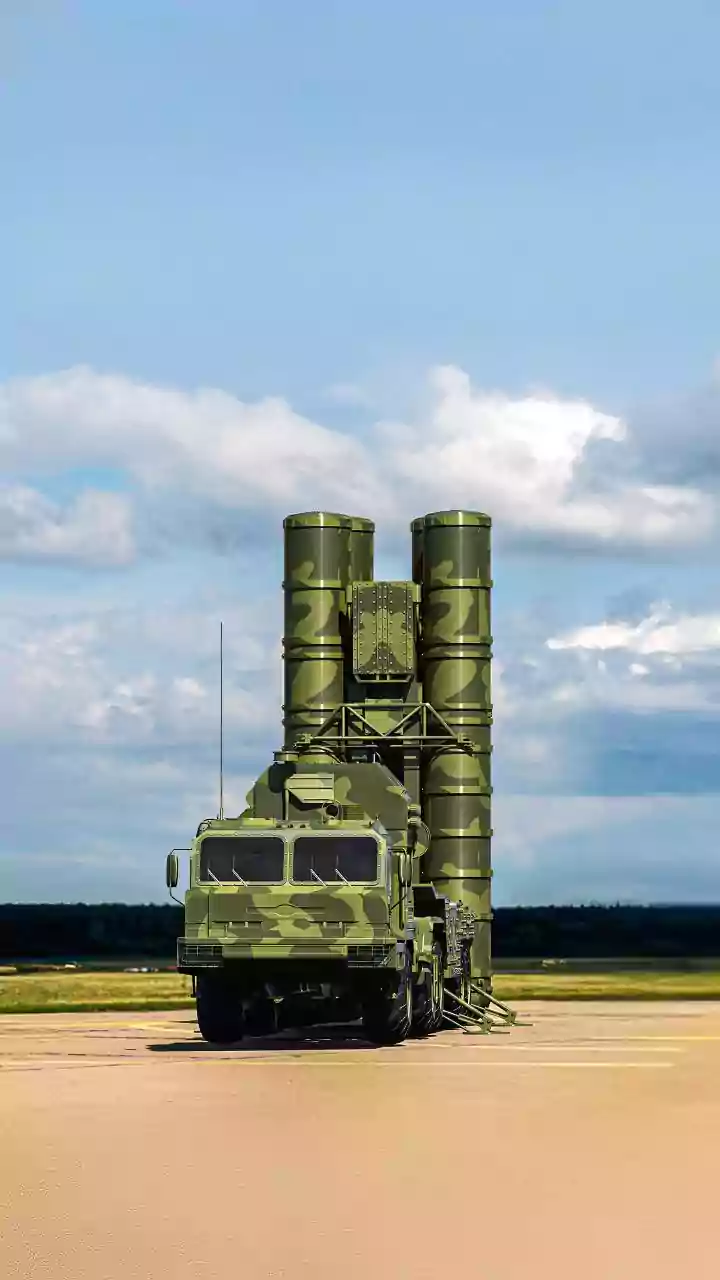
For decades, Iran has been developing a formidable ballistic missile program, now considered the largest in the Middle East. A central element of this strategy is not just the missiles themselves, but where they are kept. Iran has constructed a vast network
of so-called 'missile cities', many of them buried deep underground and carved into mountains to withstand aerial bombardment. These hardened facilities are scattered across the country in provinces like Lorestan, East Azerbaijan, and Qom, often near critical infrastructure or along strategic coastlines. The goal is survivability; by dispersing and protecting its arsenal, Iran ensures it can retain a retaliatory capability even after a first strike, a concept it refers to as 'mosaic defence'.
An Arsenal with Regional Reach
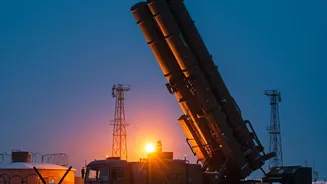
The missiles housed in these bases have varying ranges, but a significant portion can strike targets across the Middle East and into parts of southeastern Europe. Models like the Shahab-3, Sejil, and Khorramshahr have ranges from 1,300 to over 2,000 kilometers, putting key U.S. military bases, allied nations, and vital shipping lanes well within their reach. This capability serves as a powerful deterrent and a primary tool of power projection for Tehran, compensating for its relatively outdated conventional air force. In recent months, Iranian officials have announced the lifting of a self-imposed 2,000km range cap, signalling an intent to potentially threaten targets even further afield, including bases in Europe and the Indian Ocean.
New Concerns in a Volatile Climate
The 'new concerns' stem from the current context of a wider regional conflict that has seen direct military exchanges. Recent strikes by and against Iran have shown that these bases are not just a theoretical deterrent but active elements in a hot war. Their deep, fortified, and dispersed nature makes them incredibly difficult to neutralize completely, creating a dangerous strategic dilemma. Any attempt at a comprehensive strike against these facilities would require a massive military campaign with a high risk of failure and further escalation. This reality means Iran's missile force acts as a constant, looming threat that complicates every military calculation for its adversaries.
Why It Matters for India and the World
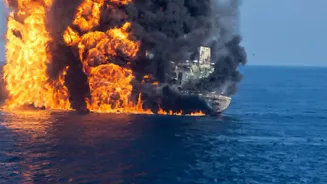
The stability of the Middle East is of critical importance to global economic security, and by extension, to India. A significant portion of the world's energy supplies passes through the Strait of Hormuz, a narrow waterway that Iran can threaten from its coastal missile sites, such as those on Qeshm Island. During the ongoing conflict, Iran has demonstrated its willingness to disrupt maritime traffic, causing energy prices to spike and endangering global supply chains. For India, which maintains crucial diplomatic and economic ties with nations on both sides of the Gulf, any large-scale conflict presents a severe challenge. It threatens the safety of the large Indian diaspora in the region, disrupts energy imports, and destabilises a region vital to its strategic interests.